
RIA succession planning is splitting into two camps, and the firms falling behind are also doing little to train the advisors who would one day take over, according to new research from DeVoe & Company.
A record 21% of registered investment advisors said they are not considering a formal written succession plan, more than triple the 6% recorded a year earlier, the 2026 DeVoe Talent & Growth Report found.
The San Francisco-based investment bank and consultancy surveyed 132 RIA founders, owners, partners and employees between March and May this year, mostly at firms with at least $100 million in assets under management.
The findings land even as firms set records for structured pay plans and performance reviews.
"Last year, we warned that the industry’s people management was sliding toward mediocrity," the report said. "The industry heard the warning, and many firms acted. But the systems firms have built are now running ahead of the people they are meant to develop."
At the top end, momentum is building. Nearly half of firms (46%) have a succession plan being implemented or fully in place, compared with 42% in 2025. But beyond that, intent has faded as the share of firms saying they would draft a plan fell to 16% from 29%.
Overall, about two-thirds (63%) of firms have drafted or begun executing a plan, little changed since 2023, though DeVoe said the headline number hides a potential split in outcomes.
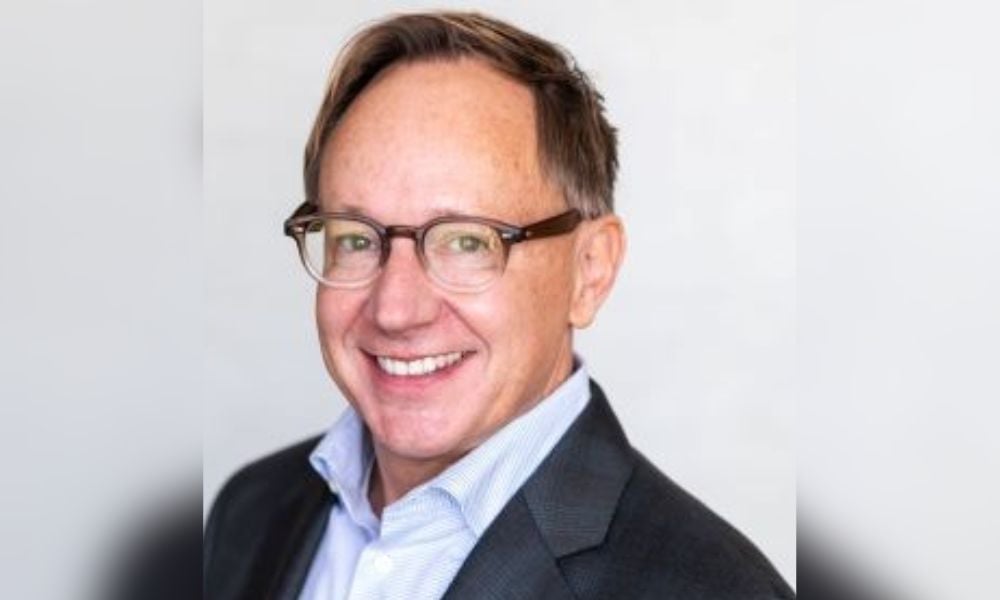
“A prolonged pause could leave some owners with less time to prepare for succession and more pressure to make a decision when circumstances become urgent,” David DeVoe, the firm’s founder and chief executive, wrote in the firm's third quarter deal book report.
Having a candidate successor is one thing; having one ready is another. Only 5% of firms said they have no next-generation leadership candidates, down from 9% in 2025. But 72% lack confidence they could hand off leadership smoothly, up from 57% when DeVoe first surveyed the industry in 2019. Only 28% rated their successors as highly or extremely ready to lead.
Training remains the weakest link. Just 10% of firms considered their program for associate and junior advisors robust and comprehensive, a figure that hasn’t topped 15% in four years of tracking. Some of that comes down to size, as 52% of firms with $1 billion or more in AUM described their training as fairly structured or better, compared to 19% of smaller firms, where only 2% run a robust program.
Career paths showed modest repair. About 43% of firms now offer a clearly articulated advisor career path, up from 38%. It is the first gain after three years of decline, though still short of the 59% peak in 2022. A defined career path topped next-gen professionals’ wish list at 45%. Some firms, including Carson Group, have rolled out formal career path frameworks for younger advisors, while others are building their own advisor training programs from within.
The pressure on the pipeline is demographic, the DeVoe report said. Citing estimates from Cerulli, it said more than a third of advisors by industry headcount will retire over the next decade, while the failure rate for rookie advisors hovered at 72%.
“Your people are worth your time. Invest 90 minutes of training a week and watch your people flourish, your firm grow faster and your clients become happier,” said Doug Johnson, a managing director at DeVoe & Company.
The same gap shows up in organic growth. The share of firms training advisors on every growth skill DeVoe measured, from asking for referrals to closing new clients, rose to 53% from 46%. But firms offering no formal growth training also climbed, to 30% from 27%.
More than half of firms (55%) said all advisors share responsibility for organic growth, while 24% still lean on the founder or CEO. Only 8% reported employing a dedicated business development professional, and 51% set individual annual growth goals, down from 54% and the first decline after three years of improvement.
“We’ve spent years urging firms to build the systems. Most now have them,” DeVoe said in the report. "The harder and more important work is using those systems to develop people."

The new chat feature is expected to launch in 2027.

InvestmentNews traveled to Boston, Massachusetts, to cover Schwab's annual conference. All coverage can be found here.

“We’re actually seeing an escalation in M&A activity,” said Eric Godes of FP transitions.

“There is an increasing need for tax expertise,” said Dave Wahlen of Merit Financial Advisors.

At IMPACT, CEO Rick Wurster said Schwab Wealth Advisory serves only existing retail clients, and he pledged support for sub-$100M RIAs as Fidelity drops them.
Knighthead Life entered the market with a competitive MYGA. A strong launch earned advisor confidence and paved the way for FIAs.
As AI makes financial information more accessible than ever, Lana Hock explains why human judgment, trust, and empathy remain the qualities clients value most in a financial advisor

