
Carson Group is adding new structure around how younger advisors grow within the firm, rolling out a formal career path framework alongside a new council of rising practitioners meant to influence its strategy.
The Omaha-based RIA, which oversees more than $55 billion in assets and serves over 54,000 client families across more than 150 partner offices, said the moves are part of a long-term effort to develop and retain next-generation talent. They build on the firm’s advisor mentorship initiative launched in November, which pairs emerging advisors with veteran practitioners across its network.
“Investing in the next generation of advisors is essential to the future of our firm and the clients we serve,” Carson Group chief executive Burt White said in a statement this week. “Our responsibility is to create an environment where advisors can see a clear path forward, feel confident in their development and have a meaningful voice in shaping where the firm is headed.”
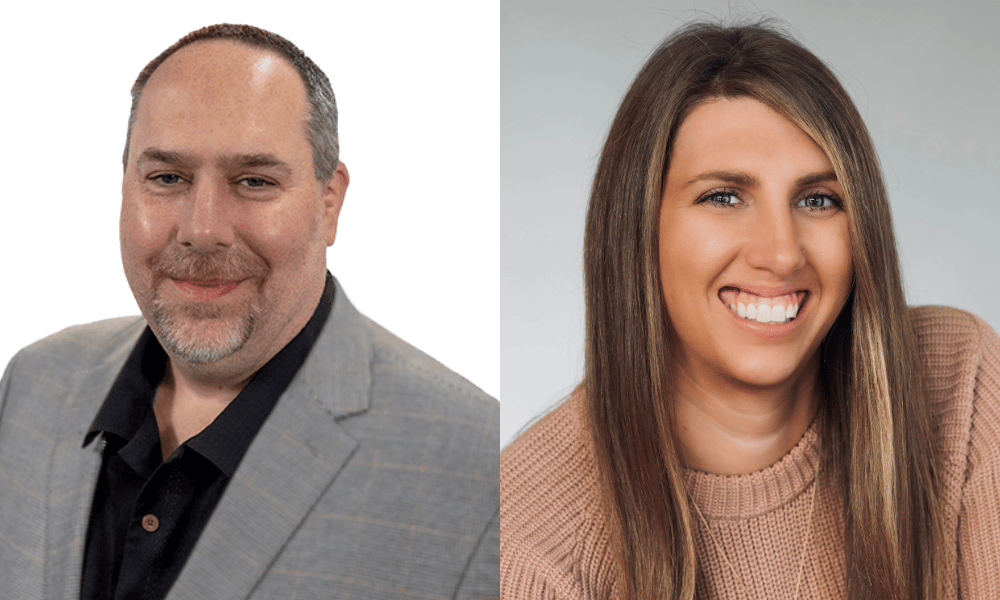
The new NextGen Advisor Council is designed to give G2 and G3 advisors direct input into its advisor experience, development pathways, and client service model.
The council's 10 inaugural members – drawn from Carson Wealth offices in markets including Marquette, Cedar Rapids, Kansas City and Hartford – will serve as ongoing sounding boards for firmwide planning and initiatives.
“Carson was built on advisor feedback, and we believe input from G2 and G3 advisors is essential to sustainable growth,” said Lisa VanArsdale, vice president of advisor development at Carson Group. She said the council is intended to support “meaningful conversations that help advisors feel confident about where they are today and where they can go next.”
In parallel, Carson is introducing a standardized Carson Wealth Career Path Exercise for Advisors. The framework is meant to clarify expectations, progression, and development goals for emerging advisors, while still allowing individual offices to adapt it to their own structures.
“As a leader, I’m using our Framework and Career Path Exercise Tool to bring clarity, transparency and intentionality to how the next generation grows within our organization,” said Chris Graw, managing partner and wealth advisor at Carson Wealth in Cedar Rapids, Iowa. The approach, he added, links “skill development, expectations and compensation to a clear, achievable path.”
Career pathing has become something of a pressure point across the RIA channel. In the latest DeVoe Talent & Growth Survey, 68% of next-gen professionals at RIAs said they want a well-defined career path, but only 38% believed their firms actually provide one, down from 50% a year earlier. More than half reported getting only informal guidance on advancement, and 8% said they receive little communication at all.
“Employees don’t need a promotion tomorrow. But they need to know the path to get promoted,” DeVoe & Co. founder and chief executive David DeVoe said in the report. “If your best employees don’t see the path, you risk losing them entirely.”
The independent RIA space appears to be more attuned to the need for next-gen career support, with 67% of respondents in the Schwab 2025 RIA Benchmarking Study saying they offer coaching or mentorships, and 77% reporting career path or progression opportunities.

CFP, CFA and CPA holders could gain accredited investor status as regulators weigh wider private market access for advisory clients

DeepVest, Vanilla and Libretto roll out tools to help financial advisors launch firms, close estate plans and sharpen planning skills

“People aren't effectively using their wealth in retirement,” said David Blanchett of Prudential.

Second-generation NFL ref Shawn Hochuli co-founded IWM Partners in Irvine, California, a wealth management practice with more than $500M in client assets

U.S. seniors lose $28.3 billion annually as a result of financial exploitation, according to a 2023 AARP study.
As AI makes financial information more accessible than ever, Lana Hock explains why human judgment, trust, and empathy remain the qualities clients value most in a financial advisor
Northern Trust’s Ken Lassner shows advisors how to convert volatility into after-tax portfolio gains

