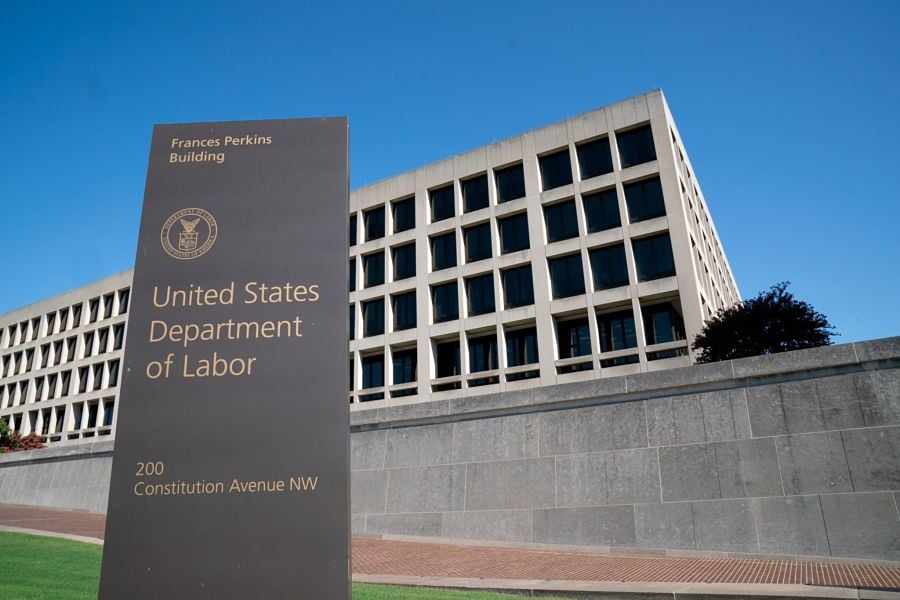
A proposed regulatory change published Wednesday by the Department of Labor would seriously limit the appeal of a forthcoming group retirement plan model that the industry has been eagerly awaiting.
The group-of-plans model, an alternative to pooled employer plans that also was established by the SECURE Act, would allow participating plans to file a single Form 5500 report annually with the DOL. But critically, the proposed regulatory change wouldn't allow a single group of plans to have a consolidated audit, which means every participating employer of a certain size would have to have an annual audit.
That change could put groups of plans at a big disadvantage to PEPs and multiple employer plans, given that audits represent an additional expense and level of burden for employers. It is not what the industry was expecting, and many will likely let the DOL know that during the 45-day comment period on the proposed change.
The first PEPs, which launched this year, allow unrelated employers to participate in the same retirement plan, benefitting from scale and offloading fiduciary responsibilities to the companies that serve the plan. The group-of-plans model, which is set to go live next year, has been seen as an attractive alternative for service providers, as it is potentially simpler for them and doesn't require the same level of fiduciary oversight as PEPs do.
“I have been seeing advisers referring to GoPs as ‘PEP busters,’” said Jason Roberts, CEO of the Pension Resource Institute.
But he said, “If this regulation is finalized as proposed, I think this would be effectively the GoP killer.”
With PEPs, the pooled plan provider is the named 3(16) fiduciary and plan administrator, Roberts noted. Groups of plans do not require that fiduciary status, which is part of what potentially makes them attractive to the industry.
“A PEP, a single plan, provides administrative efficiencies to both the adopting employer and the service providers,” Kelly Michel, principal of KME Retirement Consulting, said in an email. “However, the GoP is technically not a single plan — so the absence of a single audit makes sense and it reflects only the value to service providers and the continued burden to the participating employer.”
Larger employers that no longer want a high level of fiduciary liability are gravitating toward PEPs, but the group-of-plans model has been seen as a potentially attractive offering for smaller plan clients — at least until this week.
“If the proposed changes are enacted … clients who have more than 120 eligible employees will abandon the GoP option and head right to a PEP, where there is only one global audit required,” wrote Terry Power, president of The Platinum 401k, which is a pooled plan provider. “Smaller plans may also gravitate toward PEPs thanks to the significant fiduciary liability relief that they provide when compared to a group of plans solution.”
Of course, the DOL will consider public comments and could opt to require a single annual audit for each group of plans.
“This is a proposal — I do expect they’re going to get a flood of comments from service providers,” Roberts said. A final version of the amended regulation “is certainly likely to take a different shape,” he said.

Envestnet Wealth Trading replaces legacy FolioDynamix tools with a unified platform built for portfolio-wide rebalancing

“It's important for our AI solutions to flex into different client needs,” said Orion CEO Natalie Wolfsen.

The same idiosyncrasies that make alts attractive to investors also heighten the importance of due diligence for advisors and firms.

ASA says OIG probe into leaked case files proves personal data poses ongoing risk.
Northern Trust’s Ken Lassner shows advisors how to convert volatility into after-tax portfolio gains
Dan Biagini of American Equity says the steady decline of pensions, longer lifespans and a reset in interest rates are rewriting how advisors build retirement income