
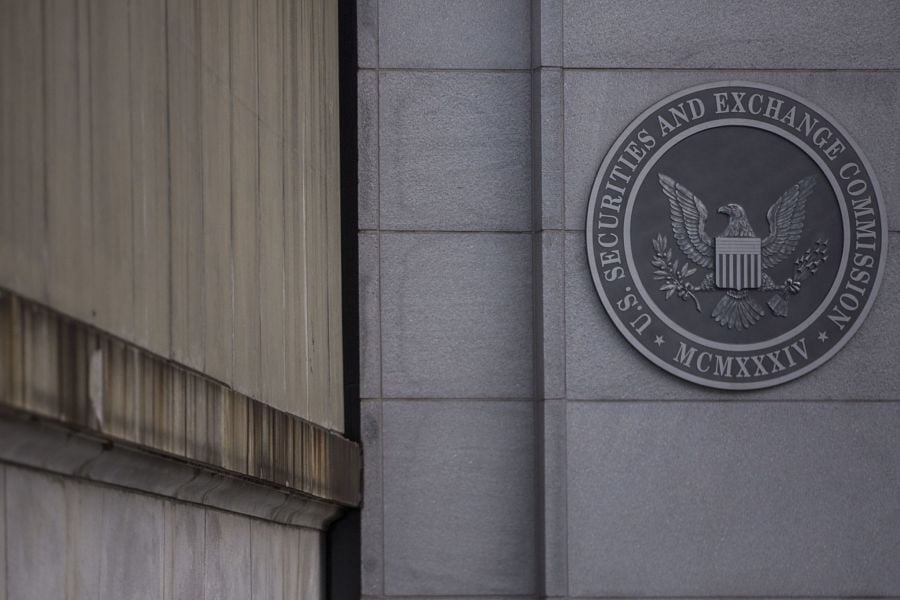
A spate of recent US enforcement actions is likely just the beginning of a crackdown on companies overhyping artificial intelligence to investors.
Since March, the Securities and Exchange Commission has accused three companies of so-called AI washing, or misrepresenting how they use machine learning and other tools. The moves follow multiple warnings from Gary Gensler, the agency’s chair, and the regulator’s top enforcement attorney over misstatements around the technology.
Although Gensler has referred to AI as “most transformative technology of this generation,” he has also said it could spark a financial meltdown and cautioned firms against overblown claims. Even before the recent SEC cases, the agency had proposed new restrictions for brokerages and advisers using AI.
“We’re at the point where this is a huge focus of every part of the SEC, including enforcement,” said Brian Daly, a partner at Akin Gump Strauss Hauer & Feld.
A representative for the SEC declined to comment beyond previous warnings from the agency.
Meanwhile, W. Hardy Callcott, a partner at Sidley Austin, said the enforcement cases that the SEC has brought so far around AI washing are similar to those involving statements some companies made about Covid treatments and ESG. US securities rules make it illegal for firms to make misrepresentations to investors.
Last week, the SEC sued the founder and former head of Joonko, a now shuttered recruiting platform that claimed to use AI to connect companies with candidates from underrepresented backgrounds. Among the accusations, the agency said Joonko didn’t use AI capacities it claimed to employ.
The company’s board of directors allegedly became aware in June 2023 that its founder, Ilit Raz, had forged contracts, falsified bank statements and over-reported the number of paying customers at the company, according to the SEC.
A lawyer listed by the SEC as representing Ilit Raz didn’t respond to multiple requests for comment. Raz didn’t immediately respond to a message on LinkedIn.
In March, Delphia (USA) Inc. and Global Predictions Inc. agreed to pay a combined $400,000 to settle SEC claims that they made “false and misleading statements” about their purported use of artificial intelligence. A lawyer for Global Predictions declined to comment, while an attorney for Delphia didn’t respond to requests for comment. Neither firm admitted to or denied the SEC’s allegations in settling their cases.
Attorneys are seeing some parallels to how the SEC acted in the early stages of its push to rein in the crypto industry. Still, they emphasize that digital assets trip up the regulator’s rules in ways that AI doesn’t.
Hilary Allen, a law professor at American University focused on finance and securities, said that AI and crypto are very different, but that the recent actions are “the kind of case you see every time something new and hot happens.” She added that the SEC had gone after “crypto-washing” and fraudulent initial coin offerings several years ago.
“Ultimately there will always be people who try to exploit technologies to their gain,” she said. “It’s happening in the low-hanging fruit way. As time goes on, I’m sure there will be more sophisticated attempts.”

Chicago-based Mesirow Fiduciary Solutions adds flexPATH's plan-level outsourced fiduciary book, boosting its retirement market reach to $164 billion.

Also, Raymond James's employee advisor channel adds breakaways from Wells Fargo and Stifel, while UBS welcomes an ex-Morgan Stanley duo in Indiana.

It promised guaranteed principal and 10% monthly returns. The SEC says it invested nothing.

Ten years after entering the fee-based annuity market, MassMutual Ascend says nearly half its lifetime sales came in the past two years alone – but barriers remain among fee-only advisors.

Amplify, WealthReach, Zeplyn and Zocks have unveiled partnerships aimed at automating portfolio management, content creation, account opening, and client communication.
Northern Trust’s Ken Lassner shows advisors how to convert volatility into after-tax portfolio gains
Dan Biagini of American Equity says the steady decline of pensions, longer lifespans and a reset in interest rates are rewriting how advisors build retirement income

