
Cresset, which manages over $65 billion in client assets, ranking among the industry’s largest RIAs, is forecasting an “inevitable” recession as economies react to President Donald Trump’s tariffs and global trade disruption.
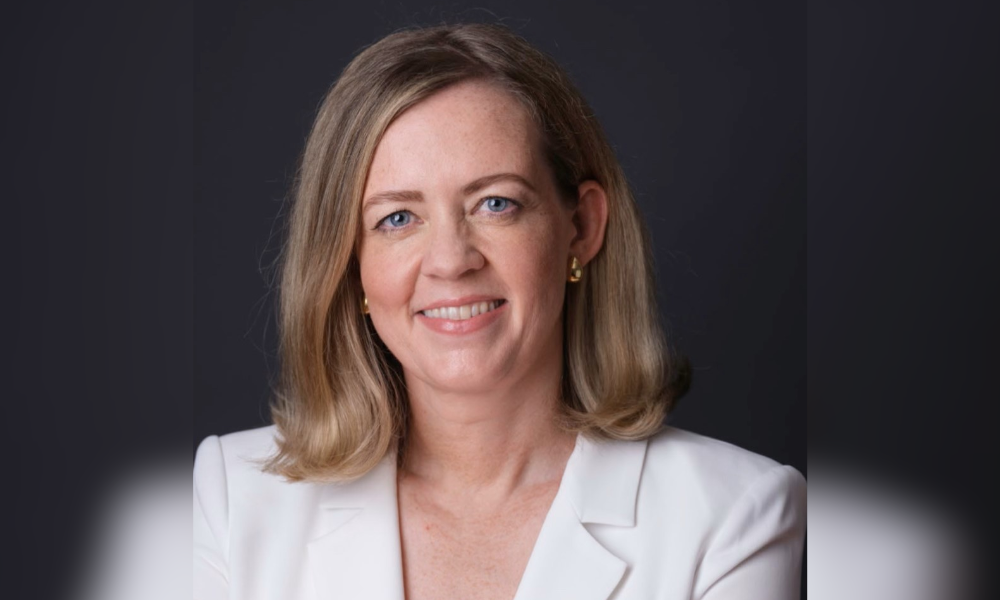
“I certainly do not hope that we end up in a recession, but I am feeling that is a more and more inevitable outcome to the current volatility,” Susie Cranston, president and COO at Cresset, told InvestmentNews. “Our philosophy is that the chances of at least a mild recession - we don't necessarily think it's going to be a massive recession - but a mild recession goes up the longer this period of uncertainty continues.”
Cranston joined the Chicago-headquartered Cresset in April 2024 following a decade spent as First Republic Bank’s chief operating officer, and before that was a consultant for McKinsey. She does not expect Cresset to slow down its investments, even in a recession, and cited research from McKinsey that shows companies who invest in downturns produce greater returns.
“We've been deliberately thoughtful to make sure that we can operate the same way that we want to operate, and maybe even actually invest more in a downturn,” Cranston said. “We've got a lot of dry powder; we're really fortunate. But we run a conservative balance sheet for a reason. We think this is going to be a great opportunity for us - we're bullish on the long term.”
Cresset historically aims for one to two major M&A moves per year, Cranston said. Those moves last year were to acquire the Dallas-based $6.2 billion multi-family office CH Investment Partners, as well as the 130-year-old Connable Family Office. Both additions bolstered Cresset’s trust and estate planning services, as it positions itself as both an RIA and multi-family office provider for its ultra-high-net-worth clients, whose portfolios average $20 million in AUM.
“When you're talking about a portfolio of $20 million and up, we're always positioned to withstand at least a year or two of volatility and cash,” Cranston said. “A real luxury for the ultra-high-net-worth space is that we're heavily allocated towards private investments. So our correlation with the market is like 0.4 - it's a much lower correlation to market swings than if you were just in an ETF fund that follows the S&P 100 or 500.”
Constellation Wealth Partners, a private equity firm that backs multiple RIAs, invested $150 million in Cresset last year for a minority stake in the company. While research firm DeVoe & Company tracked Q1 2025 to be a record quarter of RIA M&A activity, Cranston cautioned that private equity-backed RIAs could face growth squeezes upon further macroeconomic slumps.
“We're ready if there's a great opportunity, and I don't think it will really change our approach,” she said. “However, there are a lot of firms that operate at a much higher debt leverage ratio, because they may be private equity owned or because that's what they needed to do to scale. It'll be interesting to see what that does in the environment in the coming months.”
Goldman Sachs raised its odds of a recession happening this year to 45%, while JP Morgan Chase said there’s a 60% probability of a recession this year. While much of the recession fears sway with Trump’s back-and-forth tariff policy announcements and the threat of global trade war, Cranston says that damage could already be done even if softer tariff policies get enacted.
“What we're hearing from investors, executives at corporations, from all the different people we're touching, is that the confidence of the international market has been shaken to such an extent that even a claim that we're returning to normalcy would be met with disbelief at this point,” Cranston said. “We're starting to hear more and more stories from our C-suite executives about maybe doing some preliminary downsizing just to make sure that they're conservatively positioned come what may. I just think that those things are hard to pull back at this point.”

Chicago-based Mesirow Fiduciary Solutions adds flexPATH's plan-level outsourced fiduciary book, boosting its retirement market reach to $164 billion.

Also, Raymond James's employee advisor channel adds breakaways from Wells Fargo and Stifel, while UBS welcomes an ex-Morgan Stanley duo in Indiana.

It promised guaranteed principal and 10% monthly returns. The SEC says it invested nothing.

Ten years after entering the fee-based annuity market, MassMutual Ascend says nearly half its lifetime sales came in the past two years alone – but barriers remain among fee-only advisors.

Amplify, WealthReach, Zeplyn and Zocks have unveiled partnerships aimed at automating portfolio management, content creation, account opening, and client communication.
Northern Trust’s Ken Lassner shows advisors how to convert volatility into after-tax portfolio gains
Dan Biagini of American Equity says the steady decline of pensions, longer lifespans and a reset in interest rates are rewriting how advisors build retirement income

