
JPMorgan Chase & Co.’s Marko Kolanovic is emerging as one of the very few bulls among Wall Street’s top strategists saying U.S. stocks will rally in the second half.
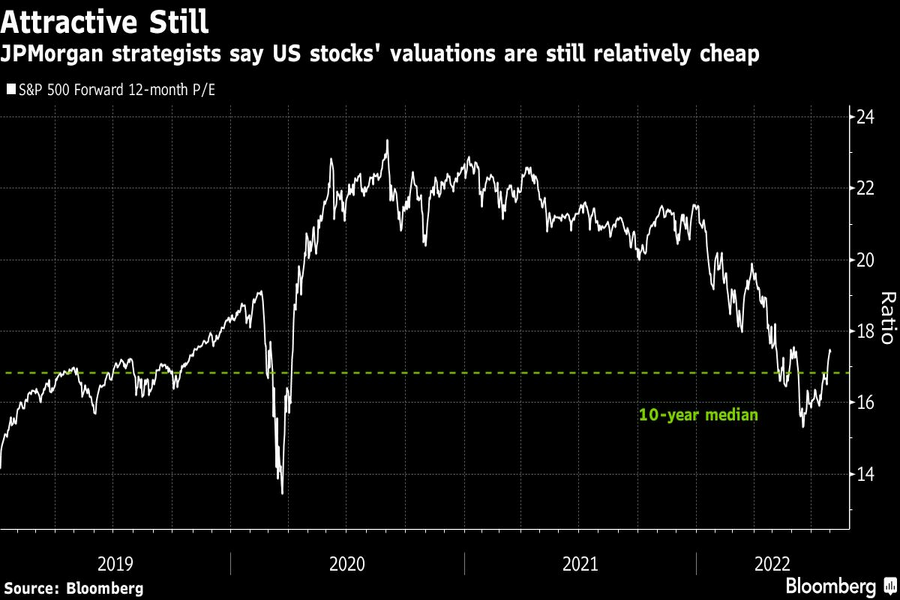
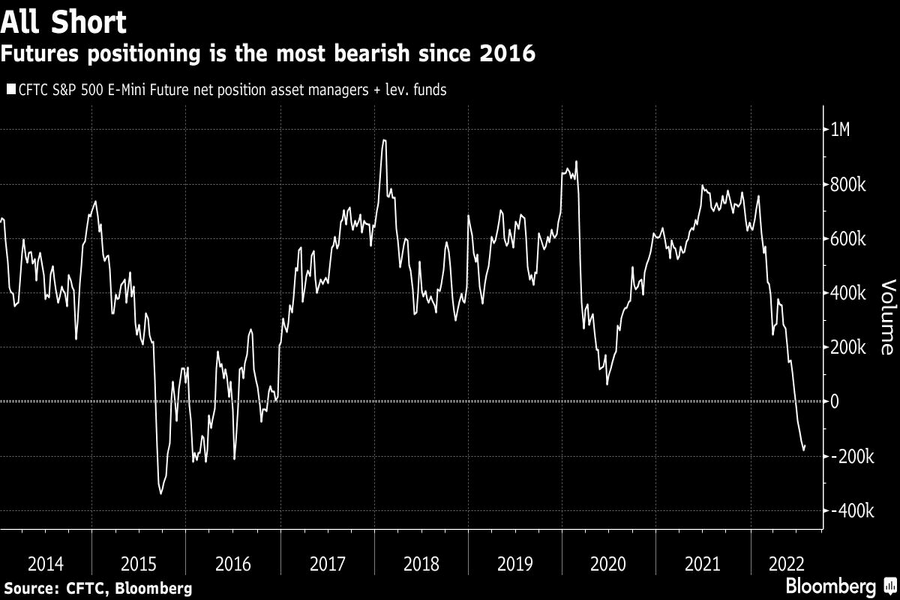
Kolanovic, voted the No. 1 equity-linked strategist in last year’s Institutional Investor survey, has stuck to his calls for risky assets this year despite the sharp rout in the first half. He expects a rebound in stocks on attractive valuations and as the peak in investor bearishness has likely passed.
“Although the activity outlook remains challenging, we believe that the risk-reward for equities is looking more attractive as we move through the second half,” Kolanovic wrote in a note dated Aug. 1. “The phase of bad data being interpreted as good is gaining traction, while the call of peak Federal Reserve hawkishness, peak yields and peak inflation is playing out.”
His view that much of the bad news from weak economic data is now priced in and that stocks will end the year “meaningfully higher” is in sharp contrast to calls by counterparts at banks including Goldman Sachs Group Inc., Morgan Stanley and Bank of America Corp.
Goldman’s Cecilia Mariotti wrote in a note on Monday that it was still too soon for markets to dismiss the risk of a recession on bets of a pivot in the Fed’s hawkish stance on policy. And even after this year’s selloff in equities, recession risks aren’t fully priced in European equities, according to Goldman.
“Looking at the re-pricing of cyclical assets in the U.S. and EU, we think the market might have been too complacent too soon in fading recession risks on expectations of a more accommodative monetary policy stance,” Mariotti said.
U.S. stocks have rallied sharply in the past month, leading to the S&P 500’s best monthly gain since November 2020, as bleaker data raised bets that the Fed will slow the pace of interest rate hikes, with signs of a better-than-feared second-quarter earnings season also lifting risk demand. But the rebound now faces a crucial test as August and September have historically been the worst months for the U.S. benchmark index.
Short positioning data indicates that Kolanovic could be right in forecasting a sustained recovery, at least in the short term. Citigroup Inc. strategists including Chris Montagu said short positions across most markets are facing steep losses after last week’s rally, increasing the risk of a short squeeze and equity upside from forced unwinds of large legacy shorts.
But with economic data still remaining far too uncertain, markets may remain volatile in the coming months, according to Mark Haefele, chief investment officer at UBS Global Wealth Management. “We advise investors against reading too much into July’s somewhat more positive picture,” he said on Tuesday.
Morgan Stanley and Bank of America, meanwhile expect sharp downgrades in corporate earnings estimates to add pressure on stocks in the next few months. Morgan Stanley’s Wilson — one of Wall Street’s biggest bears — said on Monday that although earnings estimates have started to decline, the bulk of the corporate downgrades will come through only in the fourth quarter.
Bank of America strategist Michael Hartnett also said last week it was too soon to position for a bull market trade and that the “true lows” for the S&P 500 were below 3,600 points — about 13% below its latest close.
But JPMorgan’s Kolanovic says that S&P 500 valuations look better than fairly valued given the presence of higher quality companies in the index, adding that the rate at which equity multiples have contracted exceeds the typical compression seen during prior recessions.
Kolanovic also argues that investor expectations are likely to be reset with regards to the Fed’s policy as well as company earnings. “Risk markets are rallying despite some disappointing data releases, indicating bad news was already anticipated/priced in,” he said.
While calls of a looming U.S. recession are also growing after data showed gross domestic product shrank by more than expected in the second quarter, the JPMorgan strategists said they still expect the country to avoid an economic contraction.

The new AI feature generates instant client portfolio talking points, slashing meeting prep time for advisors.

As Citizens expands its advisory footprint, the bank is also going after wealth trapped inside business ownership

The Forbes rankings are highly sought after by some advisors and firms for marketing purposes.

Meanwhile, an advisor tuck-in from Edward Jones expands Kestra's Washington, D.C.-area presence, and Janney deepens its Connecticut footprint with an experienced Wells Fargo advisor.

KFN Succession Center pairs advisors weighing retirement with buyers, as next-gen affordability keeps eroding industry-wide.
Northern Trust’s Ken Lassner shows advisors how to convert volatility into after-tax portfolio gains
Dan Biagini of American Equity says the steady decline of pensions, longer lifespans and a reset in interest rates are rewriting how advisors build retirement income

