
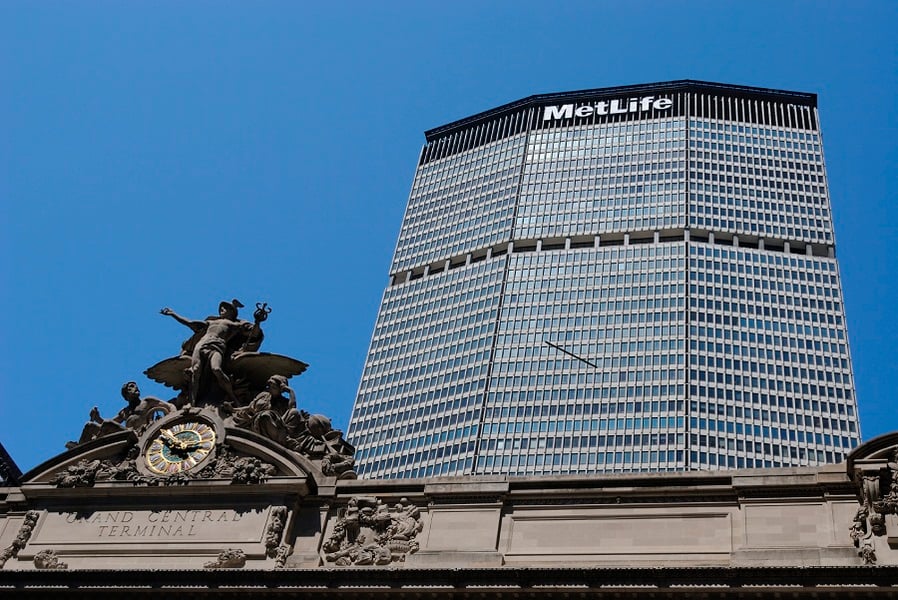
MetLife Inc. is raising its U.S. minimum wage to $20 an hour from $15 as the nation’s biggest life insurer joins the roster of firms boosting worker pay amid labor shortages.
The company said the pay bump follows a $10 million investment to enhance training and “career path development” for employees. MetLife’s last U.S. wage increase came in 2018.
The $20 rate takes effect next month, according to a spokesperson who said the insurer is hiring, particularly for customer-service and operations roles.
“By raising our minimum wage, we’re offering security and confidence to our people just as we do our customers,” Chief Executive Michel Khalaf said Thursday in a statement. “It is our employees who help us deliver on the promises we make, so their well-being is paramount.”
Companies including McDonald’s Corp. and Costco Wholesale Corp. have announced wage increases this year. Charles Schwab Corp. said Thursday that it will increase pay by 5% for most of its 32,500 employees, with the pay hike taking effect in late September.
Chipotle Mexican Grill Inc. raised its average wage to $15 an hour in May as it moved to hire 20,000 workers across the U.S. Amazon.com Inc. also announced plans in May to hire 75,000 people in the U.S. and Canada at starting pay that will average more than $17 an hour.
MetLife employs around 46,500, according to data compiled by Bloomberg. The federal minimum wage is $7.25 an hour.

Halbert Hargrove senior wealth advisor weighs in on the products' guaranteed income upside, the operational drag and his wish list for carriers.

With 8.6% of advisors set to switch firms in 2026, Cerulli says advisor recruitment hinges on technology, branding and HNW support.

“I’m seeing more disputes like this between advisors and other advisors at the same practice,” said one industry executive.

Longer retirements and steady inflation could drain retiree portfolios before heirs inherit, with 4% net returns running dry by year 34.

A single fintech partner triggered a $68.8M credit hit.
As AI makes financial information more accessible than ever, Lana Hock explains why human judgment, trust, and empathy remain the qualities clients value most in a financial advisor
Northern Trust’s Ken Lassner shows advisors how to convert volatility into after-tax portfolio gains

