
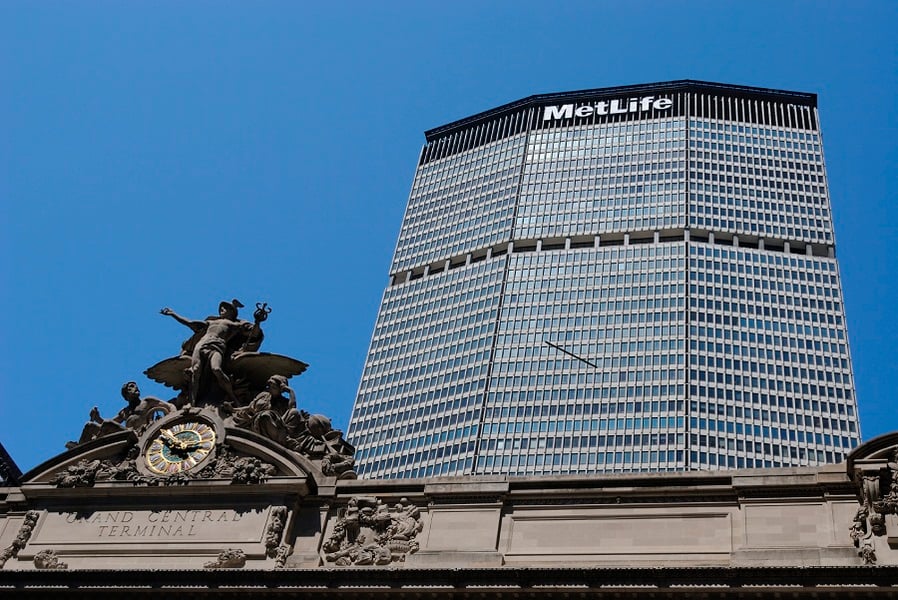
MetLife Inc. is raising its U.S. minimum wage to $20 an hour from $15 as the nation’s biggest life insurer joins the roster of firms boosting worker pay amid labor shortages.
The company said the pay bump follows a $10 million investment to enhance training and “career path development” for employees. MetLife’s last U.S. wage increase came in 2018.
The $20 rate takes effect next month, according to a spokesperson who said the insurer is hiring, particularly for customer-service and operations roles.
“By raising our minimum wage, we’re offering security and confidence to our people just as we do our customers,” Chief Executive Michel Khalaf said Thursday in a statement. “It is our employees who help us deliver on the promises we make, so their well-being is paramount.”
Companies including McDonald’s Corp. and Costco Wholesale Corp. have announced wage increases this year. Charles Schwab Corp. said Thursday that it will increase pay by 5% for most of its 32,500 employees, with the pay hike taking effect in late September.
Chipotle Mexican Grill Inc. raised its average wage to $15 an hour in May as it moved to hire 20,000 workers across the U.S. Amazon.com Inc. also announced plans in May to hire 75,000 people in the U.S. and Canada at starting pay that will average more than $17 an hour.
MetLife employs around 46,500, according to data compiled by Bloomberg. The federal minimum wage is $7.25 an hour.

The financial advice industry has been facing inquiries into its cash sweep programs for years now.

Investor money allegedly went to strip clubs, exotic cars, and landscaping

Procyon adds $415 million in assets under management in New Jersey while Savant picks up a $213 million Southern California planning firm

With a growing number of real estate-rich Baby Boomers aging into retirement, some advisors may be failing to consider all the options available for those clients' assets.

Cornerstone Advisors study reveals compliance bottlenecks stall campaigns weeks after customer opportunities close.
As AI makes financial information more accessible than ever, Lana Hock explains why human judgment, trust, and empathy remain the qualities clients value most in a financial advisor
Northern Trust’s Ken Lassner shows advisors how to convert volatility into after-tax portfolio gains

