
Middle-income Americans are stuck. Should they keep adding to their retirement accounts or cut back in response to inflation and recession fears?
The current economic situation is volatile enough to make any American question their spending decisions. Middle-income Americans by definition, however, possess less wiggle room to adjust their outlays to account for higher inflation and market volatility than their wealthier counterparts.
A recent Primerica survey found two-thirds (66%) of middle-income households say inflation already has or is likely to affect a major purchase decision, and many people are contemplating lifestyle shifts because of rising costs.
One question that keeps popping up is whether those spending cutbacks should include retirement investments.
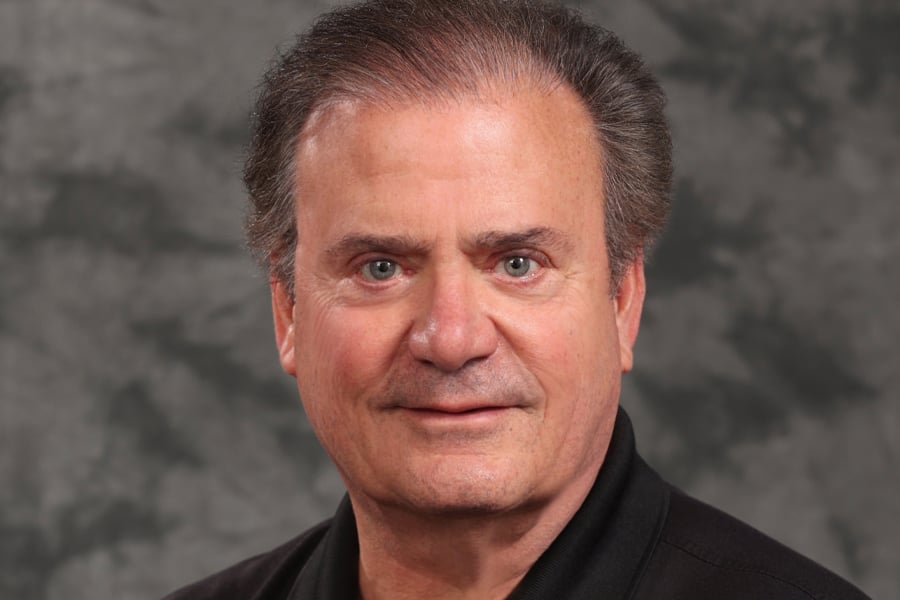
InvestmentNews sat down with David Siegel, president and chief marketing officer of PFS Investments at Primerica, to address that question, as well as discuss the retirement outlook for middle-income households.
InvestmentNews: How are recession fears affecting middle-income Americans’ retirement plans?
David Siegel: They’re going to need to prioritize their spending depending on their family’s needs. But many are taking proactive steps. Our clients are well-educated — they know they need to save for retirement. They get the message. It’s time in the market, not timing.
And so they’re planning to stay the course and execute their financial game plan, and not let the broader market conditions cause them to make shifts in their investing patterns. It’s not as if we’re not doing some hand-holding; we’re doing a little bit of it right now. But we remind clients of what we taught them originally about investing and saving for the future.
Many are also looking for ways to reduce debt or bring in more income to account for the higher prices we’re all seeing at the gas pump, grocery store and everywhere else. The ongoing strong job market helps. It provides more room for middle-income Americans to work longer, look for opportunities for higher-paying jobs or make up any income shortfall through side gigs.
IN: What steps can middle-income Americans take to prepare should market conditions worsen?
DS: So far, most of our clients are staying the course. For many, this isn’t their first rodeo, and they have been through bear markets in the past. They know retaining their investments, reducing debt and spending, and continuing to put money into savings and investment accounts will serve them well whether the economy is on a downswing or upswing. Our financial professionals teach our clients what to expect in different markets and that it’s a cycle. What we tend to find due to this education is that the wheels don’t fall off.
In addition, many middle-income Americans are taking a hard look at their spending to determine what is a need versus what is a want. Primerica keeps a pulse on their financial situation with a quarterly Financial Security Monitor. We know they’re reducing how often they eat out, rethinking major purchases or deciding against them altogether, taking a closer look at what they buy at the grocery store, and even cutting streaming services they don’t use often. Others are putting off car repairs or maintenance that can wait, putting a few extra miles on a pair of shoes or vacationing nearby instead of getting on an airplane. Every little bit helps and puts them on the path to securing their financial future for the long haul.
IN: How is current inflation affecting the way savers are preparing for future retirement?
DS: There’s definitely an impact, but it really varies depending on each individual's situation. We work with long-term clients who are well-educated on money and the markets, and others who are just getting started. Sometimes they just need a little reassurance they’re making the right choices with their money given the headlines they’re seeing in the news.
But some Americans could reach a point where they need to make a difficult decision on whether or not to pull back on their retirement investments, at least for the near term. That’s where a financial professional can really come in handy to help guide the way. Market downswings eventually end, and being proactive and taking the right steps now are key to having the best possible financial outcome in the future.
IN: What should middle-income Americans be doing right now to secure their financial futures?
DS: The best thing they can do is keep up with their investment plan, keep spending low, maintain an accurate budget and work hard to reduce debt. Having a strategy for paying off debt is key at any time but especially right now, and a financial professional can offer advice and strategies for paying off debt more quickly.
Plus, many people don’t realize investing even a little bit can go a long way to preparing for the future. It’s not a choice between saving thousands of dollars a month or nothing at all — get started where you can today. And whether you need hands-on help or just a little reassurance, feel confident that professional guidance is available no matter how much you can afford to invest.
No one can wave a magic wand and make inflation go away, but a financial professional might be able to help in other ways.

The Supernova-powered lending line follows a Flourish Cash rollout as the insurer pushes private-bank-style tools to its 6,000-plus advisors

New Escalent research finds younger, more diverse DC plan participants are open to rollovers - but increasingly prefer outside firms.

UBS finds millionaire investors are more optimistic than before 2024 but are actively repositioning portfolios ahead of November 3.

Auto-enrollment has landed for 60 million children, but Baird planning director says key questions on rollovers and Roth conversions remain open.

Learn why DC plan advisors are considering private assets to help fund decades-long retirements
Knighthead Life entered the market with a competitive MYGA. A strong launch earned advisor confidence and paved the way for FIAs.
As AI makes financial information more accessible than ever, Lana Hock explains why human judgment, trust, and empathy remain the qualities clients value most in a financial advisor

