
BlackRock Inc. is warning U.S. regulators that new rules to fight greenwashing by fund managers could sow more confusion and make investors think their holdings are more socially conscious than they really are.
The asset manager is pushing back on a key detail in a proposal to require managers to say more about how environmental, social and governance issues fit into strategies for funds that also consider myriad other factors. The result, BlackRock said in a letter this week to the Securities and Exchange Commission, could mislead investors about how much ESG really matters when managers pick stocks and bonds.
Greenwashing is a term critics of ESG investing coined to describe exaggerated claims by the industry about their efforts to choose companies that support clean energy. What’s more, mutual fund and pension managers including BlackRock have been criticized by conservative groups for putting too much emphasis on ESG because it penalizes certain sectors, such as oil and gas.
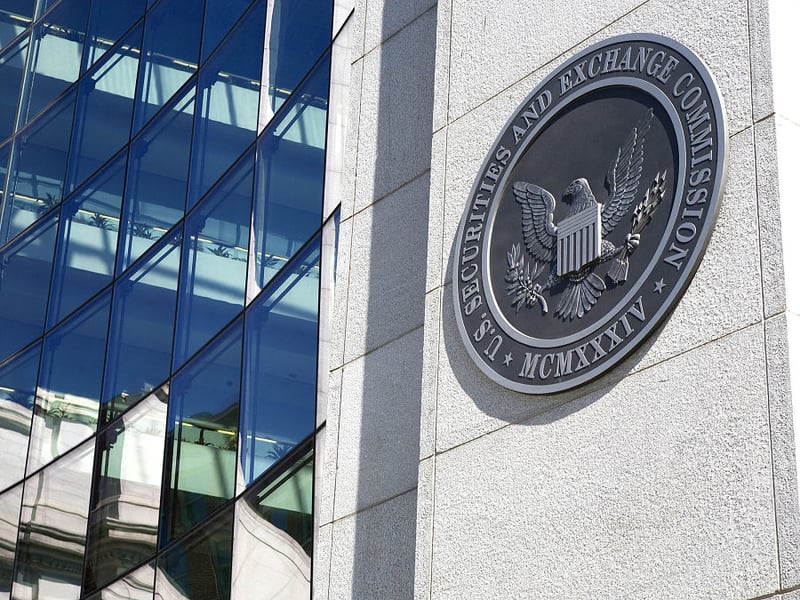
SEC Chair Gary Gensler and the agency’s Democratic commissioners proposed new regulations for ESG funds in May and could finalize them in coming months. The SEC declined to comment on the letter.
Although BlackRock supports the SEC’s overall push to clarify asset managers’ strategies, the asset manager said the plan to require new disclosures for funds that just consider ESG criteria among many other factors could muddle the situation. Applying the disclosure requirements to those “integration” funds could mislead investors by overstating the significance of ESG considerations, BlackRock said.
Such disclosures in a prospectus “would overemphasize the importance of integration, with the unintended consequence of greenwashing,” BlackRock’s Paul Bodnar, global head of sustainable investing, and Elizabeth Kent, managing director in the global public policy group, said in the Aug. 16 letter.
Although the pushback by BlackRock is similar to that of industry trade groups such as the Investment Company Institute and Managed Funds Association, it’s unlikely to derail the overall effort by the SEC to crack down on ESG labeling that critics say can be misleading.
In addition to the ESG disclosures rule, the regulator has proposed requiring funds labeled ESG to invest at least 80% of their assets in a way that lines up with that strategy. Gensler has also spearheaded a plan to get companies to reveal detailed information about their greenhouse gas pollution and to outline the risks a warming planet poses to their operations.
For the past several months, SEC lawyers have been questioning firms that offer ESG funds about how they lend out their shares and whether they recall them before corporate elections. The regulator also set up a task force of enforcement attorneys to focus on ESG and has sued firms for alleged misconduct.
BlackRock, the world’s biggest asset manager, told the SEC it doesn’t consider the integration funds to be ESG products. The Investment Company Institute, which represents mutual fund providers and other investment managers, said firms should have more flexibility in choosing additional ESG disclosures.
The Managed Funds Association said it also supported the SEC’s goal to promote better disclosure, but warned the ESG Integration label would be problematic.
“Labeling essentially all funds as some type of ESG fund would make investors’ comparisons among strategies and funds more, rather than less, difficult,” the hedge fund trade group said.

Wells Fargo adds two bank-channel recruits, UBS lands a JPMorgan Chase veteran, and a multi-family office lifts Atlas past $1B

“The state comes down on you in years when you make 40% returns for clients,” said Bill Swayne, the advisor and son of Candace Swayne.

The Independent broker-dealer giant has had “active conversations” with the Claude maker, which is days away from its expected IPO

For Gen X clients entering life after work, answering the financial question isn't enough to solve the entire retirement equation.

Tools from Grantd, Income Lab and Healthspan Wealth aim to keep RIAs involved in clients’ biggest money decisions
Growing wealth, evolving priorities, and untapped opportunities are reshaping how women approach long-term investing.
Knighthead Life entered the market with a competitive MYGA. A strong launch earned advisor confidence and paved the way for FIAs.

