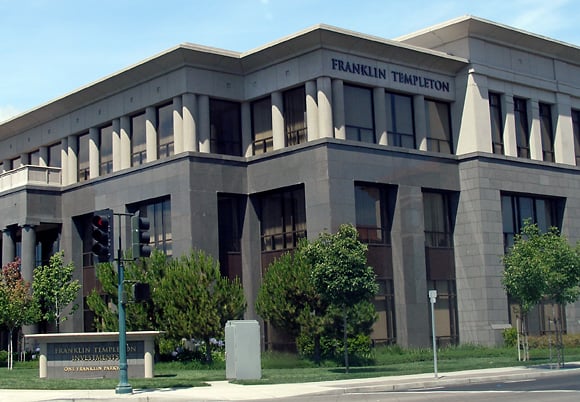

Franklin Templeton finally vindicated in market-timing case

Franklin Templeton finally vindicated in market-timing case
Judge rules in favor of only fund firm that refused to settle class action; 'last man standing'
DEC 09, 2010
Franklin Templeton Investments, the one mutual fund company to refuse to settle class actions related to the 2003 market-timing scandal, proved victorious in court yesterday. After a six-year legal battle, Judge Frederick Motz of the U.S. District Court for the District of Maryland yesterday granted summary judgment in favor of Franklin. “This was a win built painstakingly, block by block, issue by issue, year by year, and the result reached by Judge Motz is extremely gratifying to Franklin,” said Daniel Pollack, an attorney with McCarter & English LLP, who represented Franklin in the case. Franklin was one of 17 mutual fund companies that were defendants in class actions stemming from the 2003 market-timing scandals that rocked the fund industry. In 2004, the 17 lawsuits were transferred to the U.S. District Court for the District of Maryland to coordinate proceedings. But unlike its peers, Franklin refused to settle. “Franklin was the last man standing,” Mr. Pollack said. “Franklin decided it had a good defense and was going to pursue this.” In 2004, Franklin did agree to pay $50 million to settle allegations with the Securities and Exchange Commission over the market-timing issue. In his opinion, Judge Motz noted that the plaintiffs failed to prove that Franklin hadn't put in place processes to prevent market timing. “Plaintiff's arguments, which can be summed up by accusing FT of doing ‘too little, too late' are unpersuasive,” the judge wrote in his statement. “The record provides ample evidence that FT acted in good faith in attempting to prevent non-arranged market timing in its funds.”

Latest News

Merrill lands four advisor teams as May recruiting data shows firm's two-way churn

Merrill's latest hires span Colorado to Louisiana, even as industry-wide recruiting data suggests the firm is losing almost as many advisors as it gains.

Fund manager sues Kandeo, alleges $100 million FinSocial loss

The $36 million buy allegedly hid inflated books and a $50 million diversion.

Advisor gets $200,000 from Ameriprise in 'emotional distress' lawsuit

“An award citing emotional distress is very unusual,” an industry executive said.

Workplace financial education linked to stronger financial habits, but participation remains low

New EBRI research found workers who participated in employer financial education reported higher confidence, literacy and financial satisfaction.

The rise of the super advisor: How AI is redefining competitive advantage in wealth management

Beyond operational excellence, the winning advisors of the future are the ones who can reach across multiple disciplines without discarding specialist skills.

SPONSORED Who builds the income when the pension disappears?

Dan Biagini of American Equity says the steady decline of pensions, longer lifespans and a reset in interest rates are rewriting how advisors build retirement income

SPONSORED Why direct indexing stopped being optional

Direct indexing is on pace to outgrow ETFs and mutual funds. Northern Trust's Ken Lassner explains why the advisors who get it wish they had started sooner.




