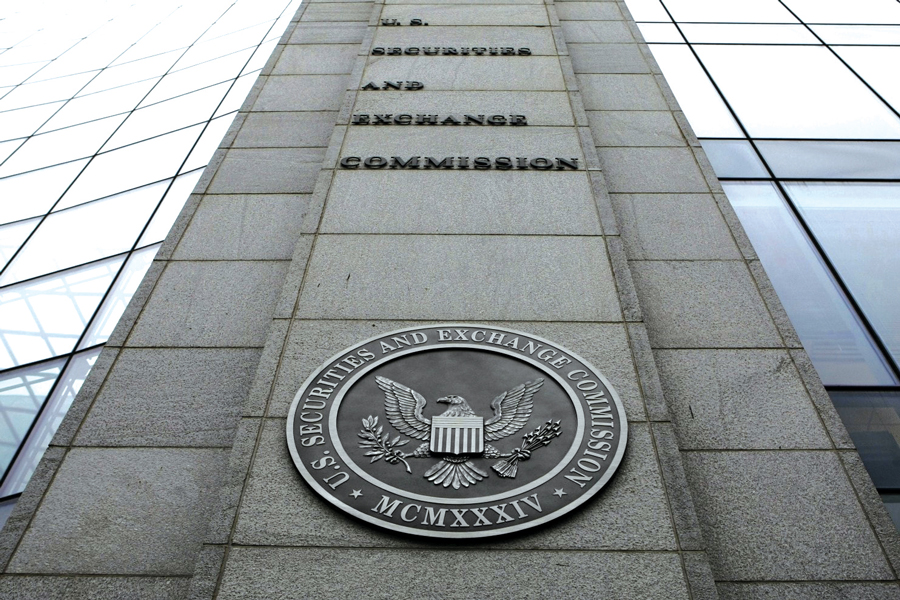
The Securities and Exchange Commission announced Monday that 79 investment firms agreed to return $125 million to clients to whom they had sold inappropriate high-fee mutual funds.
The restitution, most of which went to retail investors, is the result of an
SEC initiative to crack down on firms that failed to disclose to clients that they had received 12b-1 fees for selling the funds. Over the last year, the agency has
offered advisers incentives to turn themselves in.
"Consistent with the terms of the initiative, the commission has agreed not to impose penalties against the investment advisers," the SEC said in a release.
Under the SEC program launched in February 2018, advisers who came forward would avoid fines but would have to return money to investors. The SEC found that the advisers had failed to disclose to clients that they were receiving 12b-1 fees, or revenue-sharing payments, for the funds they recommended when a less expensive fund in the same share class was available.
The SEC said the 12b-1 payments were made to advisers "in their capacity as brokers, to their broker-dealer affiliates, or to their personnel who were also registered representatives." Failure to disclose conflicts of interest is a violation of the Investment Advisers Act, which requires advisers to act as fiduciaries.
The 79 firms settled with the SEC without admitting or denying guilt. Among those in the agreement:
Cambridge Investment Research Advisors Inc., D.A. Davidson,
LPL Financial, Oppenheimer & Co. Inc., Provise Management Group,
Raymond James Financial Services, RBC Capital Markets, Robert W.
Baird & Co. Inc. and
Wells Fargo Advisors Financial Network.
SEC Chairman Jay Clayton said advisers' duties of care and loyalty require them to disclose conflicts of interest, including financial incentives.
"I am pleased that so many investment advisers chose to participate in this initiative and, more importantly, that their clients will be reimbursed," Mr. Clayton
said in a statement. "This initiative will have immediate and lasting benefits for Main Street investors, including through improved disclosure."
The SEC asserted that its initiative has already increased the likelihood that investors will know when their advisers are taking 12b-1 fees.
"Most of the advisory clients harmed by the disclosure practices were retail investors, and in just a year's time, we made tremendous headway in putting money back into their hands while significantly improving the quality of firms' disclosures," Steven Peikin, co-director of the SEC Division of Enforcement, said in a statement.
In another recent share-class crackdown, the
Financial Industry Regulatory Authority Inc. has offered incentives for brokers to turn themselves in for recommending
unsuitable high-fee 529 college savings plans. The deadline on that initiative has been
moved to April 30.