
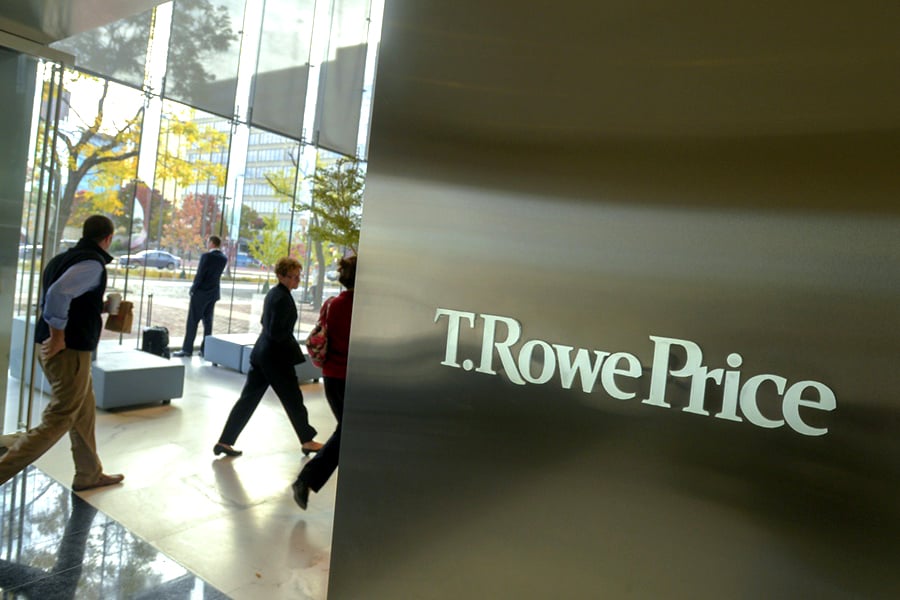
T. Rowe Price Group Inc. is making a business-wide round of job cuts as the Baltimore-based asset manager grapples with outflows and other pressures.
The firm is cutting a number of positions across all departments and has already contacted the affected employees, according to a memo sent to staff Thursday and seen by Bloomberg News. The memo didn’t specify the number of roles the asset manager has eliminated.
“In recognition of their many contributions to our firm, we offered generous transition assistance, as well as outplacement support and resources,” the firm stated in the memo.
The firm is also closing a small number of sub-scale strategies over the coming months, according to the memo.
A spokesperson for T. Rowe confirmed the cuts without disclosing the total amount. The spokesperson said there’s a “broad plan and a number of activities underway to best position” the firm to return to “organic growth” and reduce its expense base over time.
T. Rowe has had several years of continuous outflows, with clients pulling about $43 billlion from its funds last year alone.

These challenges are “changing the economics we see retirement savers face,” said Christopher Ceder of Goldman Sachs Asset Management

Richardson firm joins as Kestra builds out its platform with new leadership, technology, and expanded planning tools.

Retiring RIA seller David Laidlaw alleges the Carnegie valued his stake on $11.7 million EBITA while pitching potential buyers on $21.3 million.

New tool gives RIAs and family offices AI help vetting private market deals, with some users reportedly halving review time.

Investors got projected returns dressed up as real ones, SEC says
As AI makes financial information more accessible than ever, Lana Hock explains why human judgment, trust, and empathy remain the qualities clients value most in a financial advisor
Northern Trust’s Ken Lassner shows advisors how to convert volatility into after-tax portfolio gains

