
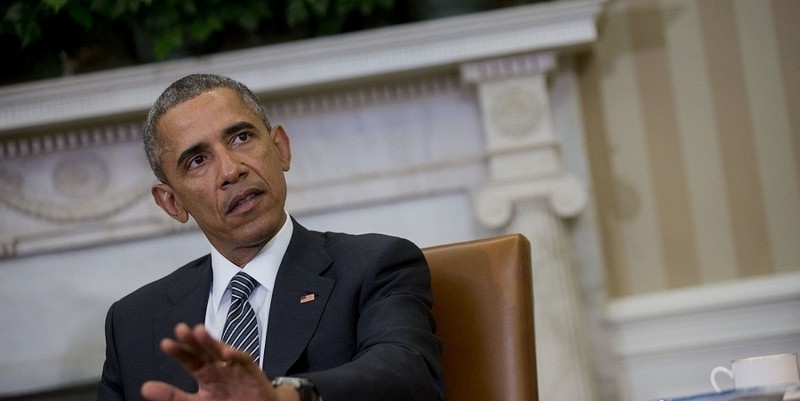
President Barack Obama vetoed Wednesday afternoon a resolution to kill the DOL fiduciary rule, which was approved by the House in April and the Senate in May. “This rule is critical to protecting Americans' hard-earned savings and preserving their retirement security,” Mr. Obama wrote about the Labor Department regulation raising investment advice standards for retirement accounts, in a message accompanying his veto. “The outdated regulations in place before this rulemaking did not ensure that financial advisers act in their clients' best interests when giving retirement investment advice. Instead, some firms have incentivized advisers to steer clients into products that have higher fees and lower returns — costing American families an estimated $17 billion a year.” The House and Senate resolutions fell well short of the supermajorities required to override a veto. Meanwhile, a federal court in Washington has set a late-summer date for action on one of the lawsuits filed last week against the DOL rule. The U.S. District Court for the District of Columbia will hold a hearing at 2 p.m. on Aug. 25 regarding a request for a preliminary injunction from the National Association for Fixed Annuities, according to a court order signed by the presiding judge, Randolph D. Moss, on Tuesday. (More: Everything you need to know about the DOL fiduciary rule as it develops) NAFA's motion for a preliminary injunction also will be treated as a motion for summary judgment, according to the court order. A ruling on the merits of the case could follow quickly thereafter. “The decision will be made by the judge after [the hearing],” Chip Anderson, NAFA executive director, wrote in an email Wednesday. The timeline is not clear for the other suit filed by nine financial and business trade groups in a federal court in Dallas. Both suits claim that the DOL exceeded its authority in promulgating the rule in April. It would require financial advisers to act in the best interests of their clients in 401(k), individual retirement accounts and other qualified accounts. Plaintiffs in the suits assert that the rule would significantly harm financial advisers and their clients by raising regulatory costs and legal liability for advisers and making advice more expensive to give and receive. The DOL has made clear it will defend itself vigorously. The agency argues the rule is needed to protect retirees and workers from investment advice touting high-fee products that enrich the adviser to the detriment of clients' retirement savings.

The financial advice industry has been facing inquiries into its cash sweep programs for years now.

Investor money allegedly went to strip clubs, exotic cars, and landscaping

Procyon adds $415 million in assets under management in New Jersey while Savant picks up a $213 million Southern California planning firm

With a growing number of real estate-rich Baby Boomers aging into retirement, some advisors may be failing to consider all the options available for those clients' assets.

Cornerstone Advisors study reveals compliance bottlenecks stall campaigns weeks after customer opportunities close.
As AI makes financial information more accessible than ever, Lana Hock explains why human judgment, trust, and empathy remain the qualities clients value most in a financial advisor
Northern Trust’s Ken Lassner shows advisors how to convert volatility into after-tax portfolio gains

