
For RIAs managing duration risk and client expectations, the narrative for 2026 has undergone a fundamental shift. The "mid-year cut" thesis, which served as a cornerstone for many allocation models entering the year, has effectively dissolved.
As of today’s FOMC session, market-implied probabilities have reached a startling crossover point: The odds of a rate hike by June (19.2%) now exceed the odds of a cut (17.3%).
The driver of this repricing is a "perfect storm" of cost-push inflation and geopolitical volatility.
Portfolio Implications for RIAs
The Powell Succession
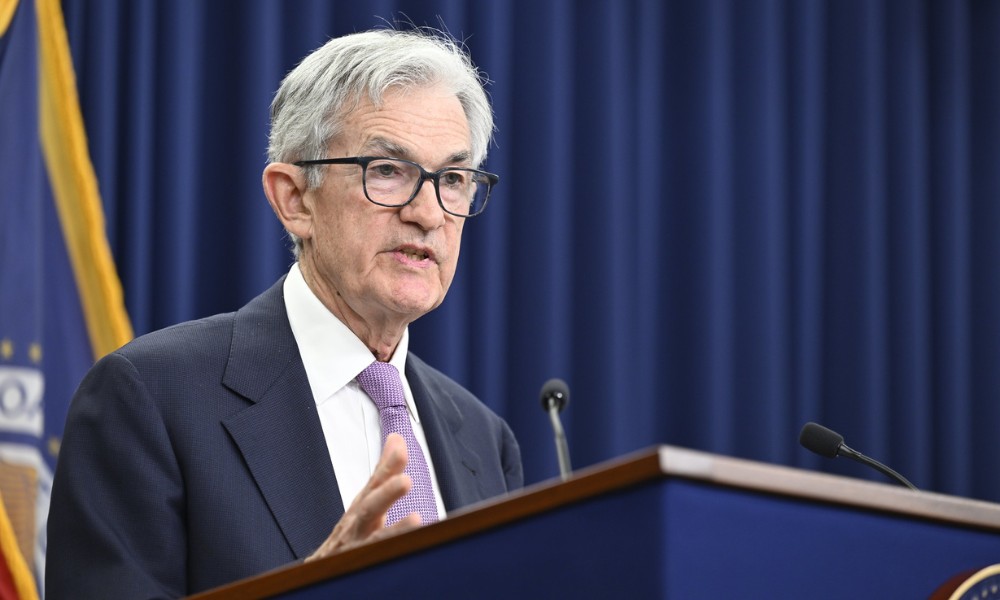
Compounding the uncertainty is Chair Jerome Powell’s term expiration in May. The transition of leadership during a potential stagflationary cycle adds a layer of political risk to monetary policy that the markets have not yet fully priced in.
The Bottom Line: The path of least resistance for yields is currently higher. Advisors should stress-test portfolios for a "no-cut" 2026 and prepare for the volatility associated with a Fed that is once again chasing inflation rather than leading it.

Retiring RIA seller David Laidlaw alleges the Carnegie valued his stake on $11.7 million EBITA while pitching potential buyers on $21.3 million.

New tool gives RIAs and family offices AI help vetting private market deals, with some users reportedly halving review time.

Investors got projected returns dressed up as real ones, SEC says

Parents must still act to get the $1,000 federal seed and employer contributions, giving financial advisors a role in the rollout.

FINRA booted Rudy Anguiano from the industry for “conversion - the intentional and unauthorized taking of another person’s property.”
As AI makes financial information more accessible than ever, Lana Hock explains why human judgment, trust, and empathy remain the qualities clients value most in a financial advisor
Northern Trust’s Ken Lassner shows advisors how to convert volatility into after-tax portfolio gains
