
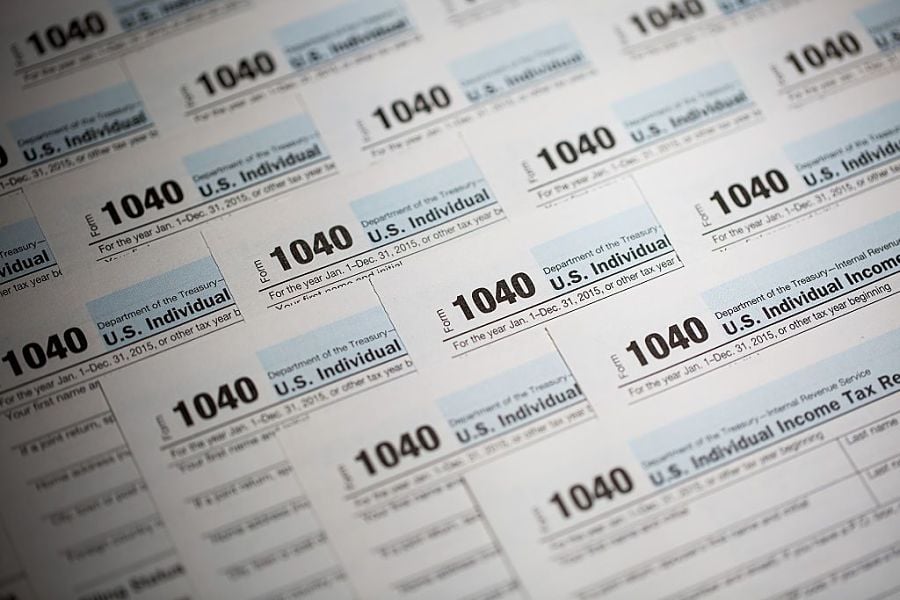
The threat of higher rates for the nation’s more affluent taxpayers is weighing heavily on the minds of advisers and their clients. As Mark Schoeff Jr. recently reported, preparation for what now seems more of an inevitability than a probability has become a top priority of advisers.
Tax considerations always have been a driver of investment decisions, especially at times when government policies regarding the tax treatment of income and capital are expected to change. One constant, however, has been the need for advisers to focus on tax-aware investing as a key plank of their value proposition.
Taxes are a visible and emotionally charged hard-dollar cost where the right advice can produce significant tangible results. Social Security claiming strategies are another area where adviser knowledge can make dramatic and visible differences in a client’s finances. But since the value advisers provide in many other ways can be difficult to measure, including their priceless emotional ballast during periods of market turbulence, tax-related advice is one of the few areas where advisory expertise so clearly and quickly shows its worth.
There are many ways for advisers to position themselves for what’s coming on the tax front. The most obvious and direct way, of course, is to keep on top of all the proposals being discussed in the press and then develop potential action steps that clients can take. To be sure, some of what could be coming in the way of new taxes would affect the very wealthiest segments of the population much more than the “millionaire-next-door” affluent who constitute a broad swath of advisory clients.
A bill introduced in the Senate by Elizabeth Warren (D.-Mass.), for example, would impose a wealth tax on those having more than $50 million in assets. Another Senate bill would end the ability of heirs to step up the cost basis of inherited property to its value at the time of its previous owner’s death. But even that change would affect the ultra-wealthy much more than the mass affluent, since the median inheritance is only about $55,000, according to research by United Income.
Rather than estate taxes, which affect a very small percentage of taxpayers, higher income taxes are what concern most advisers. Many, like the advisers Mark Schoeff Jr. spoke with, are being proactive during this time of uncertainty. A popular recommendation is the conversion of conventional IRAs to Roth IRAs to take advantage of current income tax rates.
As investors look for guidance and direction, advisers have an unusual opportunity to create mutually beneficial relationships with tax professionals and to strengthen established ties. Investors eager for information as they read and hear about impending tax hikes are likely to be interested in content — in written or online video form — from tax and investment professionals who can explain what might be coming and what to do. Accountants, whose clients are eager for professional investment insights, are probably just as interested in a mutual relationship as advisers, whose clients want tax advice.

The financial advice industry has been facing inquiries into its cash sweep programs for years now.

Investor money allegedly went to strip clubs, exotic cars, and landscaping

Procyon adds $415 million in assets under management in New Jersey while Savant picks up a $213 million Southern California planning firm

With a growing number of real estate-rich Baby Boomers aging into retirement, some advisors may be failing to consider all the options available for those clients' assets.

Cornerstone Advisors study reveals compliance bottlenecks stall campaigns weeks after customer opportunities close.
As AI makes financial information more accessible than ever, Lana Hock explains why human judgment, trust, and empathy remain the qualities clients value most in a financial advisor
Northern Trust’s Ken Lassner shows advisors how to convert volatility into after-tax portfolio gains

