
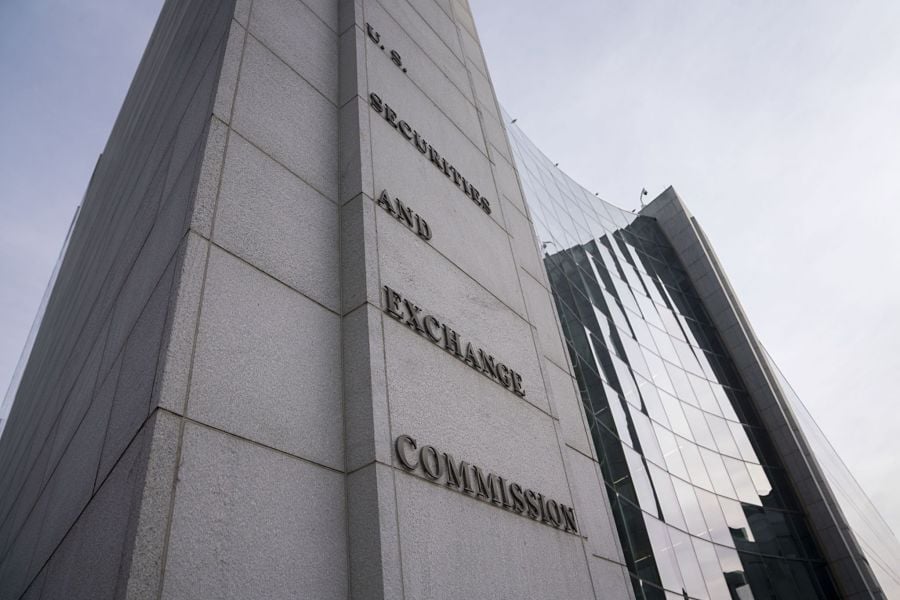
Pending SEC proposals meant to help customers get better prices for securities transactions are drawing bipartisan pushback even before they’re released.
The Securities and Exchange Commission next Wednesday will vote to propose several rules that focus on increasing competition for orders. One would require open auctions for certain equity orders. Another, Regulation Best Execution, would set a standard for broker-dealers and other market participants, and require policies and procedures on finding the most favorable price points for customers.
The proposals stem in part from concerns about payment for order flow, a process in which brokerages sell customer orders to market makers that offer the highest prices. Proponents say the arrangement allows brokers to offer low- or no-cost trading.
But SEC Chairman Gary Gensler has questioned whether payment for order flow is in the best interests of customers. The issue was at the heart of the GameStop trading frenzy in early 2021 and is the linchpin of the operations of online brokers, such as Robinhood.
The SEC and the Financial Industry Regulatory Authority Inc. have brought best-execution enforcement cases in recent months. The coming SEC rulemaking is part of Gensler’s push to increase competition and transparency among market intermediaries to lower costs for investors.
But Rep. Bill Huizenga, R-Mich., raised doubts about the SEC’s market reform efforts.
“Gary Gensler didn’t see the FTW collapse coming, but now he wants to redo how our markets work … with little analysis or stakeholder engagement,” Huizenga tweeted Thursday, referencing the recent bankruptcy of the cryptocurrency exchange. “I look forward to working with my colleagues to understand this soon to be released proposal.”
Huizenga and Rep. Josh Gottheimer, D-N.J., who are both members of the House Financial Services Committee, sent a letter to Gensler Wednesday questioning whether the agency had assessed the costs and benefits of its best-execution proposals. They asserted that “retail investors enjoy better prices, increased liquidity and, in many cases, no transaction fees” thanks to technological innovation.
“We are concerned, however, that certain changes being considered at the Commission, in particular one that would require order-by-order auctions, are not supported by robust empirical evidence that demonstrates the potential benefit these changes provide to American investors,” Huizenga and Gottheimer wrote. “We believe a thorough analysis of the current functioning of the market is necessary to eliminate the risk of unintended consequences.”
The five-member SEC almost certainly will vote next week to propose the rules, although it could do so on a 3-2 split between the Democratic majority and Republican minority. Once the proposals are made public, the agency will take comments and could modify them before final rules are promulgated.

Morgan Stanley sought to claw back recruiting bonus money from Darryl Cohen.

Referrals from centers of influence may open the door, but the real key to success for advisors comes from clarity about their ideal clients and where they want to show up.

Three advisor groups overseeing more than $700M in combined client assets head to new firms.

New research finds most Americans fear a US retirement crisis, while skepticism grows toward AI financial advice and crypto in retirement plans.

Getting a client into a fund has never been easier – but after that, the hardest part is yet to come.
Northern Trust’s Ken Lassner shows advisors how to convert volatility into after-tax portfolio gains
Dan Biagini of American Equity says the steady decline of pensions, longer lifespans and a reset in interest rates are rewriting how advisors build retirement income

