Acting in a client's best interest is a principle that most financial advisers say they live by. But the advice industry is unlikely to know how a new regulation based on that principle will work until it is enforced more than a year from now.
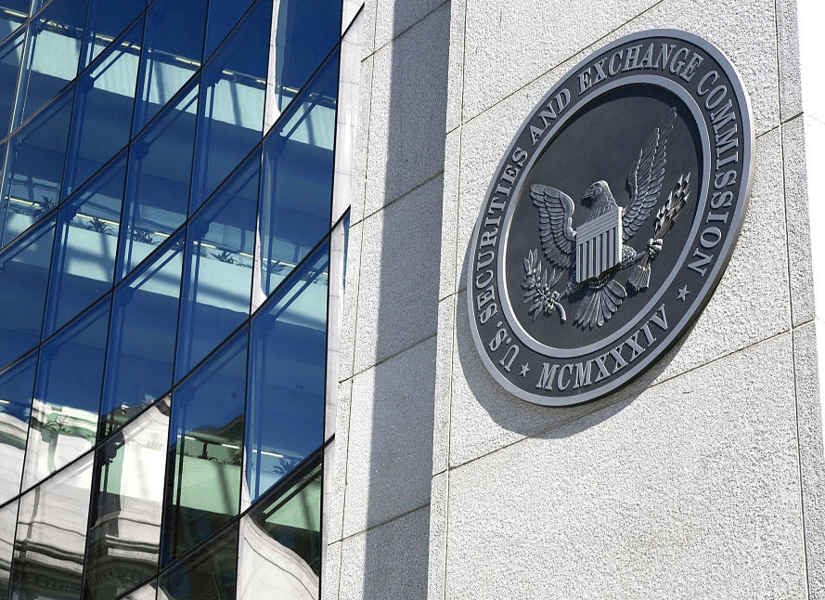
Although the Securities and Exchange Commission
approved in June an advice reform regulatory package highlighted by
Regulation Best Interest to raise the broker standard above suitability, there are still a lot of questions surrounding the changes.
The SEC established the principle — brokers must not place their own interests ahead of their clients' interests — but didn't fill in the details. For instance, there is no definition of best interest in the measure, nor is there a roadmap on how to mitigate conflicts.
No one will no know what Reg BI really means until the SEC says so through exams and enforcement.
"Experience with SEC examinations is going to tell us whether Reg BI is a significantly higher standard than suitability," said Fred Reish, a partner at
Drinker Biddle & Reath. "The problem is not just that it's a principles-based standard, it's a vague principles-based standard."
It could be a moving target for brokerage firms.
"It gives [the SEC] great potential enforcement authority," said Lawrence Stadulis, a partner at
Stradley Ronon Stevens & Young. "It's a flexible rule. We don't know where they're going to go. [But[ firms can develop compliance policies that operate within the contours of what is expected."
One good assumption is that the SEC won't want to see brokerages pushing their registered representatives to sell annuities and mutual funds based on the revenue they generate for the firm.
"It's hard to imagine how you keep any kind of incentive to recommend one investment product over another and still be consistent with the rule," said Jasmin Sethi, owner of
Sethi Clarity Advisers, a compliance consulting firm. "They could get less revenue sharing in the future because they're cleaning up their house."
[Recommended video: Identifiying adviser rollover opportunities]
The SEC is
currently conducting an enforcement initiative focused on inadequate disclosure of incentives to recommend certain mutual fund share classes. The agency is targeting advisory firms that did not tell their clients they sold them higher-fee shares when lower-costs shares were available in the same fund.
Some in the brokerage industry have
complained that the SEC suddenly changed its expectations on the disclosure of 12b-1 fees and other payments without giving the industry appropriate notice. They charge the SEC with rulemaking by enforcement.
Barbara Roper, director of investor protection at the
Consumer Federation of America, said the industry is poised to make the same argument against Reg BI because it's also principles-based and lacks specific compliance direction.
"There's nothing in [Reg BI] that has clear rules they're saying are essential to enforcement," Ms. Roper said.
The campaign against the share-class initiative "is an aggressive attack on the SEC's ability to enforce a principles-based rule, while they're simultaneously supporting the adoption of principles-based rules" with Reg BI, she said.
[Investing in profitability, performance and people: Register for our Top Advisory Firm Summit.]
So far, the brokerage industry seems comfortable with the rollout of Reg BI.
David Bellaire, executive vice president and general counsel at the
Financial Services Institute, said the SEC has been engaging with the industry about how Reg BI will be implemented and has solicited input that may be turned into a frequently asked questions document.
"So far, the SEC has taken the right approach with regard to the Reg BI," Mr. Bellaire said.
A former SEC commissioner who has criticized the share-class initiative agrees.
"Perhaps there is parallel in that firms under [the share-class selection disclosure initiative] and Reg BI still do not have clarity on the SEC's view of the law regarding how to comply, but the crucial distinction is that Reg BI is a brand new, duly adopted rule that will be fleshed out over the coming months, just like any other newly adopted rule, while SCSD is simply imposing new regulation through enforcement without the legally required opportunity for dialogue with the public," said Paul Atkins, chief executive of
Patomak Global Partners.
The best way for brokerages to stay out of trouble is to recommend investment products with care, skill and diligence and then document it, according to Mr. Reish.
"It's really the strength of the process and focusing on what's right for the investor," he said.