
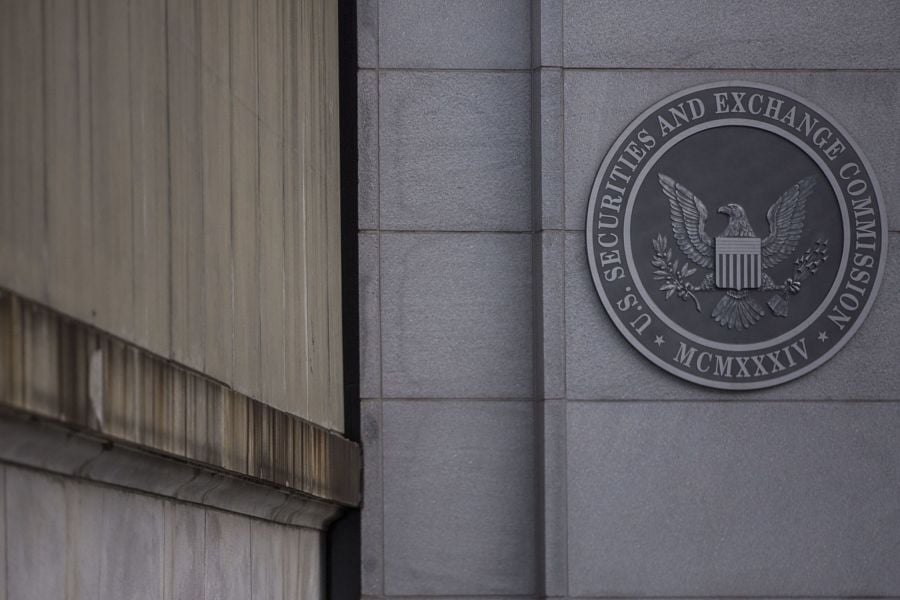
Ripple Labs Inc. and its top executives were accused by the Securities and Exchange Commission of misleading investors in XRP, the world’s third-largest cryptocurrency, by selling more than $1 billion of the virtual tokens without registering with the agency.
Ripple co-founder Christian Larsen and Chief Executive Bradley Garlinghouse “created an information vacuum” that allowed them to sell XRP into a market that only had information they chose to share, the SEC said in a lawsuit filed Tuesday in New York. The two men ignored legal advice that the cryptocurrency could be considered an investment contract and therefore was a security, the agency said.
“From a financial perspective, the strategy worked,” raising at least $1.38 billion “over a years-long unregistered offering of securities,” the SEC said. “Ripple used this money to fund its operations without disclosing how it was doing so, or the full extent of its payments to others to assist in its efforts to develop a ‘use’ for XRP and maintain XRP secondary trading markets.”
XRP declined as much as 16% to 44 cents Tuesday. The digital token has still more than doubled this year with a market value of about $21 billion. Only Bitcoin and Ether are bigger cryptocurrencies.
The SEC says Larsen and Garlinghouse personally profited by about $600 million. Garlinghouse is accused of touting that he was “very long” on the cryptocurrency while not disclosing his sales.
On Monday, the CEO disclosed that the regulators had “inexplicably decided to sue Ripple” but he didn’t specify the nature of the allegations. Garlinghouse said XRP is a currency and “does not have to be registered as an investment contract,” adding that the SEC “has permitted XRP to function as a currency for over eight years.”
In July 2017, the SEC said companies raising money through the sale of digital assets must adhere to federal securities laws.
Ripple will challenge the suit in the courts “to get clear rules of the road for the entire industry in the U.S.,” Garlinghouse said.
The case is Securities and Exchange Commission v. Ripple Labs Inc., 20-cv-10832, U.S. District Court, Southern District of New York.

Average 401(k) balances jumped 10.5% last quarter and small business retirement plan enrollment kept climbing, according to new Fidelity data.

Colorado-based RIA Summit Wealth Group acquires Portland's Financial Investment Team, expanding to 12 offices in six states.

Osaic and &Partners each land former Commonwealth teams, while Prospera welcomes two East Coast veterans to its network.

Why younger clients are trading parlays for prediction markets and calling it investing

'Einstein of Wall Street' joins Forbes as the brand is shook over its suspended advisor rankings.
Northern Trust’s Ken Lassner shows advisors how to convert volatility into after-tax portfolio gains
Dan Biagini of American Equity says the steady decline of pensions, longer lifespans and a reset in interest rates are rewriting how advisors build retirement income

