
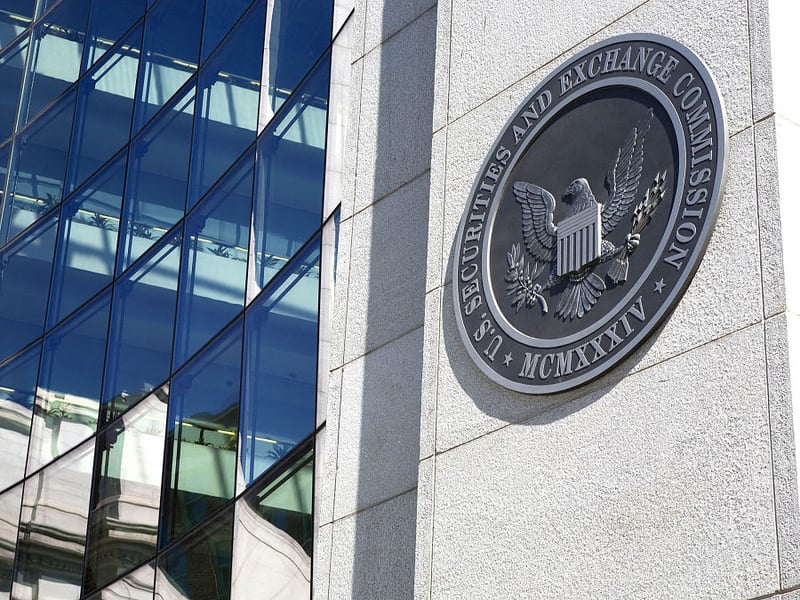
Wedbush Securities, a Los Angeles-based broker-dealer, is paying more than $1.2 million to settle charges by the Securities and Exchange Commission that it unlawfully distributed nearly 100 million unregistered shares of more than 50 different low-priced microcap companies.
The SEC also censured the firm and said it failed to file suspicious activity reports pertaining to the transactions in question.
According to the SEC’s order, from January 2017 through September 2018, Wedbush engaged in unregistered offers and sales of large blocks of low-priced securities that were part of the unlawful, unregistered distribution of securities by Silverton SA, also known as Wintercap SA, a former offshore customer. The SEC said Wedbush failed to conduct a reasonable inquiry into the facts surrounding the sales, and therefore its offers and sales did not qualify for the usual exemption from registration that applies to brokers’ transactions.
“Despite the presence of numerous red flags that Wedbush had identified in its written guidance to employees, Wedbush failed to file SARs for certain suspicious transactions that it executed on behalf of Silverton while the account was active, as broker-dealers are required to do when transactions are suspected to involve fraudulent activity,” the SEC said in a release.
Without admitting or denying the SEC’s findings, Wedbush agreed to pay payment of disgorgement and prejudgment interest of over $207,000, and a civil penalty of $1 million.

Eric J. Stone was fired by Fidelity in 2021 after facing claims he took loans from clients.

Chicago-based Curi Capital gets new majority owner as $14 billion RIA eyes acquisitions and expanded family office services

Partnership pairs organic lead detection with paid ad targeting to help end "spray-and-pray" marketing for growth-seeking advisory firms.

Jonathan Lewis joins the wealth management giant as it proceeds with a $2 billion AI and technology push for advisors.

A third-generation Pennsylvania firm with 24 advisors and $1.6 billion in client assets has left Cambridge Investment Research.
Northern Trust’s Ken Lassner shows advisors how to convert volatility into after-tax portfolio gains
Dan Biagini of American Equity says the steady decline of pensions, longer lifespans and a reset in interest rates are rewriting how advisors build retirement income

