
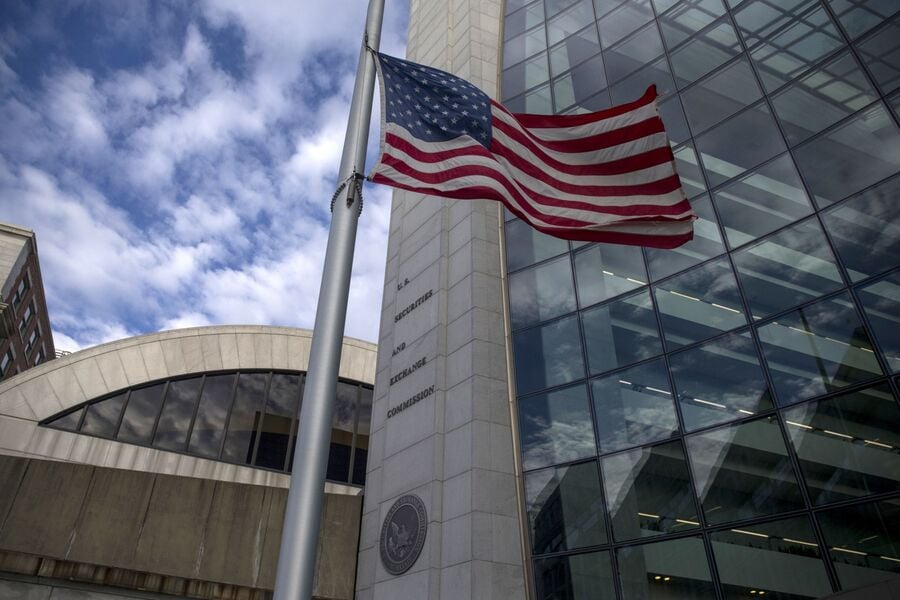
Wall Street’s main regulator is moving to introduce new rules for brokerages that use artificial intelligence to interact with clients.
The Securities and Exchange Commission said Tuesday that a long-contemplated plan to rein in conflicts of interest associated with the technology could be introduced as soon as October. The proposal would also apply to predictive data analytics and machine learning.
Since taking the helm of the agency two years ago, SEC Chair Gary Gensler has repeatedly expressed concerns over whether brokers and financial advisers really make recommendations that are in their clients’ best interests. He’s also said certain new technologies when used by financial professionals can present “inherent” conflicts of interest.
“Technology, markets, and business models constantly change. Thus, the nature of the SEC’s work must evolve as the markets we oversee evolve,” Gensler said in a statement on Tuesday.
The SEC started exploring potential conflicts of interest associated with the technologies back in 2021. Meanwhile, robo-advisers, brokerages and wealth managers have been exploring how to individually target consumers with tailored marketing, pricing and prompts.
Despite an explosion in media attention around AI tools, the U.S. government hasn’t formulated a comprehensive approach to the new technologies. Earlier on Tuesday, Rohit Chopra, the country’s top consumer watchdog said that if left unchecked, AI could usher in more fraud and discrimination in finance.
The looming proposal to crack down on AI use by brokerages was introduced in the SEC’s semiannual rule-writing agenda, which included dozens of other regulatory plans.
The agency said it planned to propose requiring more robo-advisers, or internet advisers, to register as money managers with the agency. That tag carries additional regulatory requirements.
The SEC also said it was weighing requiring large brokers to calculate their customer reserve deposit requirements on a daily, rather than on a weekly basis.

Senators say brokerages leave accounts exposed to fraudulent transfers without verification, intensifying pressure as FINRA weighs its own fraud-hold rule

Meanwhile, the founder of advisor list gives reasons for secret $6 million payment to editor.

Internal C-level promotion comes as US Bank builds out private banking, athlete-focused advice and alternatives infrastructure.

A structured financial plan doesn't just prepare clients for the future, it transforms how they respond to the present.

Regulated prediction markets for retail brokerage clients is the latest sign that prediction markets are entering the mainstream investing toolkit.
Northern Trust’s Ken Lassner shows advisors how to convert volatility into after-tax portfolio gains
Dan Biagini of American Equity says the steady decline of pensions, longer lifespans and a reset in interest rates are rewriting how advisors build retirement income

