
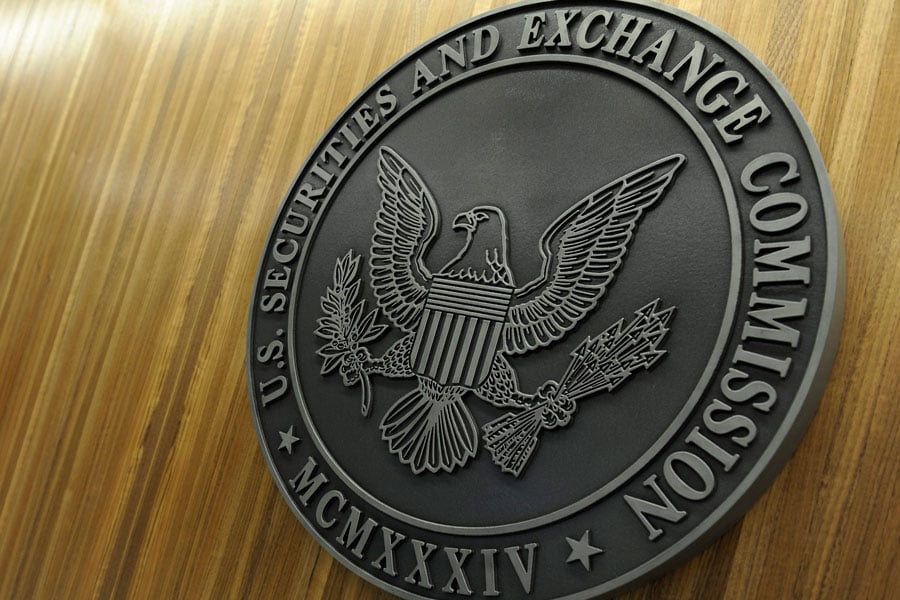
The Securities and Exchange Commission is bracing for a sharp reduction in personnel as hundreds of employees have accepted voluntary buyouts and resignation offers amid a wider federal workforce restructuring driven by the Trump administration.
Between 500 and 700 staffers are expected to leave the agency, according to people familiar with the matter, with many set to depart its enforcement, examination, and legal divisions.
The departures follow the rollout of $50,000 buyout packages and other incentives to encourage voluntary separation from federal service. The final deadline to accept the offers is on Friday.
The employee departures, reported by multiple news outlets, represent between 10 and 12 percent of the SEC’s roughly 5,000-member workforce. Some exits may occur later in the year, but the volume of resignations is already raising questions about the commission’s ability to maintain its enforcement activity and oversight responsibilities.
Two individuals with direct knowledge told Reuters that more than 600 people had formally agreed to resign by the end of last week. One source said more than 700 had submitted resignation notices since late January, including more than 150 enforcement staff. Another insider said over a dozen senior leaders had also accepted the offer.
The hardest-hit areas include the Division of Enforcement and the Office of General Counsel, both central to the SEC’s mission of investor protection and market oversight. The impact of the departures could be felt across the agency's work in examinations, investigations, and regulatory reviews.
“The Trump administration may claim that all agencies should be reduced in size by a roughly similar margin, in effect sharing proportionate reductions,” Columbia Law School professors John Coates, John Coffee Jr., James Cox, Merritt Fox and Joel Seligman wrote in a March 13 blog post. “But this ignores one extraordinary fact about the SEC: It consistently has generated more in fees than in operating expenses.”
Buyout eligibility was limited to employees who were on the SEC payroll before January 24. Those accepting the offer must either retire, resign, or transfer to another agency, and must repay the $50,000 incentive if they return to the SEC within five years.
According to Bloomberg, some employees who accepted the incentive may not depart immediately, depending on the terms of their agreements.
The separation program began under Acting Chairman Mark Uyeda, a Republican, and was launched before the expected confirmation of Paul Atkins, Trump’s nominee to lead the agency. The White House has directed federal agencies to submit plans for a second wave of cuts by mid-March as part of a broader effort to restructure and reduce government headcounts, which Trump has described as bloated.
One source said that some at the SEC hope the buyout offers might reduce the likelihood of broader forced layoffs later this year. Others noted that some staff may change their minds before completing the exit process, which could shift the final numbers.
In addition to personnel cuts, the SEC is moving forward with cost-cutting measures that include closing its Los Angeles and Philadelphia offices. The agency is also reviewing whether to end its lease in Chicago, although doing so could result in financial penalties.
The affected regional offices oversee a significant portion of examination and enforcement operations, and leadership roles in some locations have already been eliminated. No staff have been involuntarily terminated as part of these changes, sources said.

Meanwhile, DPL Financial Partners adds two annuity executives and Prime Capital Financial hires a Mid-Atlantic retirement plan consultant

Andrew Komarow pleaded guilty Thursday in federal court in Hartford to defrauding three financial services companies of close to $3.3 million.

Elsewhere, Cetera picks up a $210 million Connecticut team from MML, while Wells Fargo FiNet adds a San Diego family practice from LPL

Celebrity endorsements, $500M in claimed assets, and a state regulator stepping in.

“We needed to become a more agile and efficient organization,” said American Express CEO Stephen Squeri.
Knighthead Life entered the market with a competitive MYGA. A strong launch earned advisor confidence and paved the way for FIAs.
As AI makes financial information more accessible than ever, Lana Hock explains why human judgment, trust, and empathy remain the qualities clients value most in a financial advisor

