
The collapse of Archegos Capital Management late last month left big banks that dealt with Archegos with billions of dollars in losses. The firm’s spectacular meltdown has focused attention on the growth of family offices and led to calls for additional regulation.
Family offices traditionally were set up by wealthy families to manage their assets, along with handling taxes, estate planning and other chores. As the ranks of the rich expanded, so did the number of family offices.
In recent years, there’s also been a trend of some hedge funds transforming themselves into family offices. A fund gets rid of its outside investors, leaving a family office that handles the assets of the founder and their family — and a lot less regulatory oversight.
In fact, Bill Hwang of Archegos had run a hedge fund, Tiger Asia Management. After the hedge fund settled insider trading charges, Hwang was barred from managing clients’ money. He then started Archegos.
Archegos’ investing was more reminiscent of a hedge fund than a traditional family office: It had huge positions in a limited number of stocks, which it built using swaps in which banks held the underlying stocks. When Archegos failed to meet margin calls on its swaps in late March, the banks it did business with started unloading the underlying shares, selling an estimated $20 billion over a short period and causing dramatic drops in the stock prices of some companies.
The losses that resulted for banks and other investors have generated demands for increased transparency. It’s likely that the banks Archegos was dealing with didn’t realize the extent of its positions with other banks. Regulators were in the dark as well.
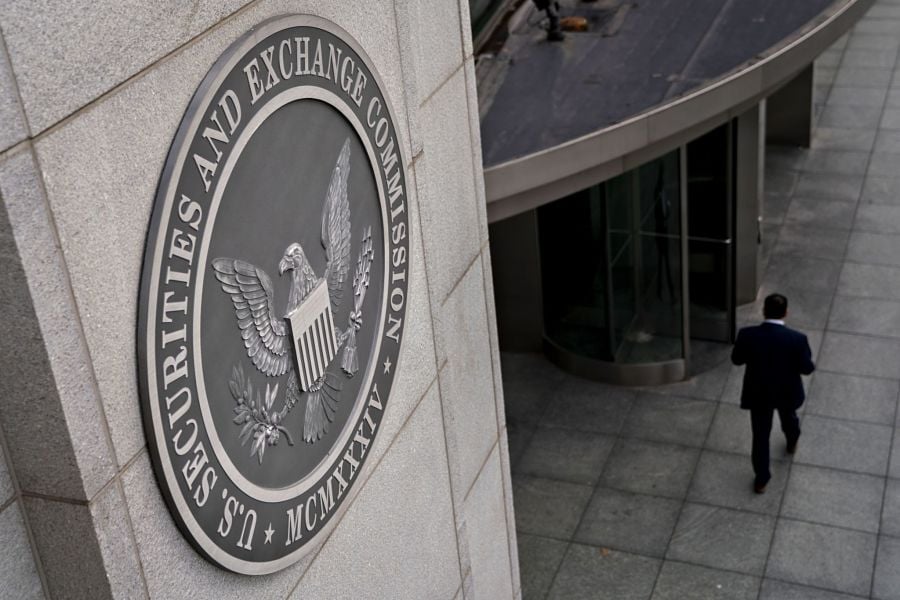
Family offices don’t have to register with the Securities and Exchange Commission. But the SEC had already said that it was going to review its oversight of family offices, and Archegos’ woes seem to make SEC regulation more likely.
Some investor advocates have suggested family offices be required to register as investment advisers, but groups representing family offices are expected to oppose that.
Bloomberg reported that SEC officials are also looking at regulations around Form 13F, which money managers, including family offices, are required to file with the agency at the end of each quarter if they have more than $100 million in stocks. The commission could expand that reporting to cover swaps and short positions or require money managers to report more frequently.
Others say the real problem is the lack of transparency around derivatives trades. It’s possible a derivatives reporting system Dodd-Frank mandated in 2010 would have given regulators a better idea of what Archegos was up to. Under the law, the SEC was to establish a system tracking derivatives transactions in real time. However, that system is not due to be up and running until this November.
The fact that big, highly regulated banks like Credit Suisse and Morgan Stanley were hit with losses totaling billions of dollars suggests more oversight of family offices is coming, in some way, shape or form.

Meanwhile, DPL Financial Partners adds two annuity executives and Prime Capital Financial hires a Mid-Atlantic retirement plan consultant

Andrew Komarow pleaded guilty Thursday in federal court in Hartford to defrauding three financial services companies of close to $3.3 million.

Elsewhere, Cetera picks up a $210 million Connecticut team from MML, while Wells Fargo FiNet adds a San Diego family practice from LPL

Celebrity endorsements, $500M in claimed assets, and a state regulator stepping in.

“We needed to become a more agile and efficient organization,” said American Express CEO Stephen Squeri.
Knighthead Life entered the market with a competitive MYGA. A strong launch earned advisor confidence and paved the way for FIAs.
As AI makes financial information more accessible than ever, Lana Hock explains why human judgment, trust, and empathy remain the qualities clients value most in a financial advisor

