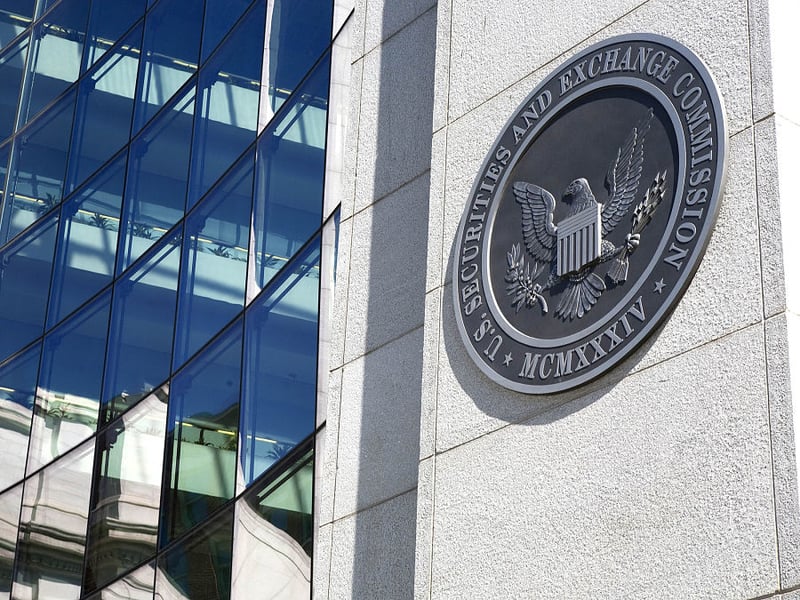
Usually when I receive a news release about an upcoming event on my beat that's occurring at at the Securities and Exchange Commission, I put it on my coverage calendar and just show up.
Something moved me to register for the
recent investor roundtable at the SEC's headquarters in Washington. Good thing I did. It saved me a futile trip.
It turns out that I wasn't welcome at the July 12 session because it was closed to the media. The audience for the approximately one-hour event was about two dozen people who use a financial adviser. The SEC assembled them to discuss the investment-advice reform proposal that is open for public comment until Aug. 7.
Specifically, the investors responded to the
disclosure portions of the proposal, which are designed to help them understand the differences between investment advisers and brokers in terms of standards of care and methods of compensation.
With the biggest regulatory change in investment advice pending, it would be great to know how actual investors are reacting. Unfortunately, reporters — and by proxy the public beyond those individuals selected by the agency — won't know what ordinary investors think until their feedback is included in the public comment file sometime in the future.
The SEC says that the meetings — which include a drop-by by SEC Chairman Jay Clayton and have occurred so far in Atlanta, Miami, Houston and Washington, with another session in Denver next week — are being held behind closed doors to promote candid conversation. Well, that particular discussion may be facilitated, but the larger debate about the advice proposal is undermined.
Instead of having a firsthand analysis of how investors are reacting, we have to rely on background information from the agency and published reports based on one or two investors who were at the event that a random reporter happened to track down. Neither provides a comprehensive read.
The SEC said that the investors at the Washington session were well-informed and deeply engaged in the conversation. They had an understanding of the proposed disclosure forms and said they should not be longer than four pages. Their biggest advice concerns focused on fees and costs.
That's all well and good but it's difficult to verify independently.
Contrast the closed-door roundtables with the SEC's investor town hall in Atlanta in June. I attended that session and wrote a story from the angle of the best question at the event. It was from a financial planner who asked Mr. Clayton how the proposed broker best-interest standard would differ from the current suitability standard.
Mr. Clayton gave a frank, detailed response that elevated the debate. The questioner was happy with what he heard. I had a good story. Best of all, the republic stood.
We won't have similar reports from the investor roundtables. They're not just closed to the media but to everyone in the public who wasn't specifically selected by the agency.
"I think it's absolutely awful," said Knut Rostad, president of the Institute for the Fiduciary Standard. "In the public sphere, this is not the way we're supposed to do things in this country — behind closed doors."
The SEC says that Mr. Clayton is committed to the process surrounding the advice-reform rule-making and values the input from ordinary investors. It's too bad that the rest of us can't hear what he's hearing.