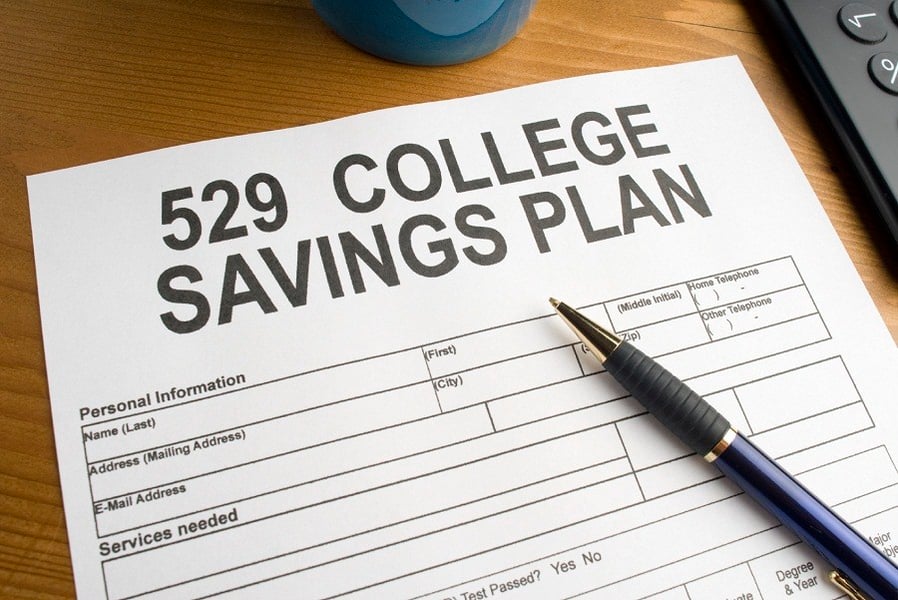
Finra launched an effort Monday to crack down on brokerages selling educational savings accounts that are too expensive for the clients investing in them.
The
Financial Industry Regulatory Authority Inc. is targeting suitability violations centered on the types of 529 plans recommended to customers, asserting brokers may be pushing high-fee share classes that don't fit their investment objectives.
Under the
529 Plan Share Class Initiative, Finra is giving firms until April 1 to review their sales of the savings vehicles and self-report infractions. If a firm steps forward, it will have to return money to harmed investors but will not be fined.
"By focusing on restitution and rapid remediation through the 529 initiative, Finra is working with firms that demonstrate a commitment to fixing potential problems and making customers whole promptly," Finra executive vice president for enforcement Susan Schroeder said in a statement. "Finra's highest priority in an enforcement action is to first seek restitution to any harmed investors. We also seek to ensure that systemic deficiencies are remediated. In this initiative, we are sharing our concerns and observations about sales of 529 plans to achieve these goals as quickly and effectively as possible."
The self-reporting program is similar to one the Securities and Exchange Commission offered last year regarding
high-fee mutual fund share classes.
A 529 plan is a municipal security that allows tax-free savings for future educational expenses of a beneficiary. Families have been using them for years to save for college tuition for their children. Last January, the IRS expanded their use for
K-12 expenses.
The plans can be sold as Class A shares, which have a front-end sales charge but lower annual fees. They also come in Class C shares that do not have front-end sales charges but incur higher annual fees. In the regulatory notice, Finra said the aggregate cost of a C share exceeds that of an A share after approximately seven years.
If a customer intends to save for more than seven years — for college instead of elementary or secondary-school tuition — then an A share would be less costly. The regulator implied that too often C shares were being used for such purposes.
(More: 7 things to check when picking a 529 plan)
In the regulatory notice, Finra said firms should review their supervisory systems and procedures for 529 share-class recommendations. Among the failures that should trigger self-reporting: inadequate training regarding 529 plans' costs and benefits, lack of assessment of the cost of different share classes, inadequate review of data about 529 plan sales, and not offering breakpoint discounts or sales-charge waivers.
The disciplinary terms of the initiative only apply to Finra member firms, not to individual brokers committing violations. The regulator also sent a warning to firms that do not turn themselves in.
"If a firm does not self-report under the 529 initiative but Finra later identifies supervisory failures by that firm, any resulting disciplinary action likely will result in the recommendation of sanctions beyond those described under the initiative," the regulatory notice states.