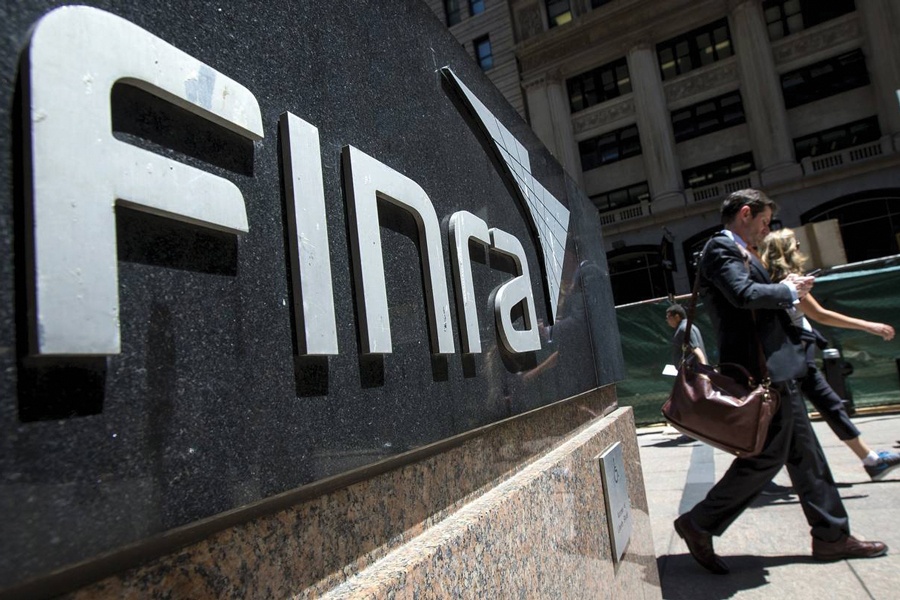
Finra gave more detail Thursday on how brokerage firms and registered representatives can reduce enforcement penalties by cooperating with the agency.
In a
regulatory notice, the
Financial Industry Regulatory Authority Inc. reiterated that credit can be given for self-reporting, taking extraordinary steps to correct faulty procedures or to provide remediation to customers, and for giving Finra substantial investigation assistance.
That rubric has been
in place since 2008. What Finra did Thursday was expand one-paragraph explanations into one page for each criteria.
"This has been a long time coming," said Susan Light, partner at Katten Muchin Rosenman and former Finra senior vice president for enforcement. "It's extremely helpful as a guide."
Susan Schroeder, Finra executive vice president for enforcement, said in a statement the regulator is responding to a call from the brokerage industry for more transparency surrounding how it decides what kind of cooperation has gone beyond regulatory requirements.
For instance, in correcting deficient procedures, Finra is looking for steps such as hiring an independent auditor, creating new supervisory positions and implementing broader reforms than those just targeted to the violation.
When assessing remediation, Finra will see if firms accelerated the process for identifying and paying back harmed customers. For self-reporting, it will evaluate whether firms discovered misconduct through their own audits rather than from customer complaints.
Finra also outlined 10 steps firms can take that might qualify as substantial help to a Finra probe.
"They're looking for comprehensive action and they want it to happen quickly," said Emily Gordy, partner at McGuireWoods and former Finra senior vice president for enforcement.
In addition, Finra said it will be more transparent about the type of breaks it gives firms — such as reducing fines or forgoing enforcement — by describing them in settlement letters of acceptance, waiver and consent under the heading "Credit for Extraordinary Cooperation."
"Every law firm and every brokerage firm will be scouring the [settlement letters] for that section," Ms. Light said.
Finra also might highlight cases where there was no settlement because the regulator walked away.
"We will think about — going forward — whether there are times when it is appropriate to talk at a high-level about, for example, steps that a firm took that caused us to forego a formal action, of course keeping the firm anonymous — not disclose any details — but trying to provide more information to the industry," Ms. Schroeder
said in a video posted on the organization's website.