Perhaps it's time to change the metaphor for negotiations in Washington to avert the steep tax increases and spending cuts that are scheduled to go into effect at the beginning of the year. The fiscal cliff has given way to a ping-pong match.
The volleys will occur between the House and Senate, as each chamber tries to settle on one palatable measure. While the ball goes back and forth over the net, it's becoming clear how investment taxes may fare.
The White House and the Democratic-majority Senate have been urging the House to pass
a bill that the Senate approved over the summer to extend all the Bush tax cuts for households making less than $250,000 annually. That bill is not going anywhere in the Republican-controlled House.
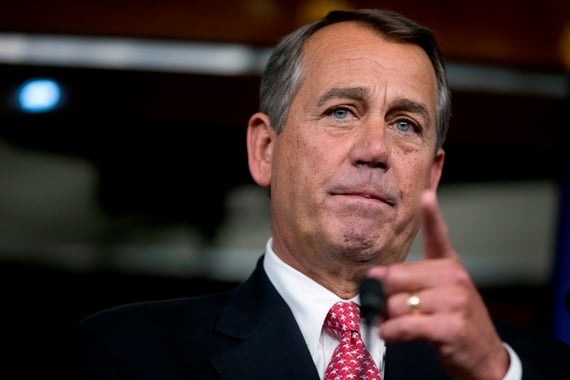
Instead, what is likely to happen is that the House will amend the Senate bill with the so-called Plan B legislation that House Speaker John Boehner announced on Tuesday. Mr. Boehner's proposal would extend the Bush tax cuts for everyone making less than $1 million. By the time it hits the House floor later this week, it may also include a patch to the alternative minimum tax and a provision on the estate tax.
The Senate bill does not include an estate tax provision because several Democratic senators are leery of raising the estate tax above its current 35% rate and $5.12 million exemption – a level where House Republicans will likely want to keep it as well.
What the Senate bill does contain are an AMT patch and provisions that would raise the capital gains and dividends rates to 20% each, up from the current 15%. Senate Democrats split from President Barack Obama and decided to keep the two rates linked. In his budget proposal earlier this year, Mr. Obama taxed dividends at ordinary income levels.
Republicans certainly are not going to push for higher investment tax rates than what the Senate Democrats are backing. It's possible now to make an educated guess now on where they end up – not higher than 20% for capital gains and dividends and around where they are now for the estate tax. The parties are not that far apart on investment-taxes.
Another issue that is gaining clarity is that individual tax rates are almost certainly going to increase for the wealthy. In his latest fiscal cliff offer, Mr. Obama proposed letting the Bush rates snap back for households making more than $400,000. Late last week, Mr. Boehner made his proposal for a tax increase for those making more than $1 million.
Of course, the journey to a final bill will be tortuous and involve plenty of political posturing and threats. On Tuesday, Senate Democrats and the White House said that Mr. Boehner's Plan B would be dead on arrival in the Senate.
That gives the Senate an opportunity to amend it and hit it back over the net to the House. The House can consider the revised version and hit it back to the Senate. Look for cliffhanger votes along the way, much as we saw during congressional deliberation over the Troubled Asset Relief Program during the financial crisis.
And so on we'll go until an agreement is reached or the chambers give up. If it's the latter, the ball will have fallen off the table rather than off the cliff.