
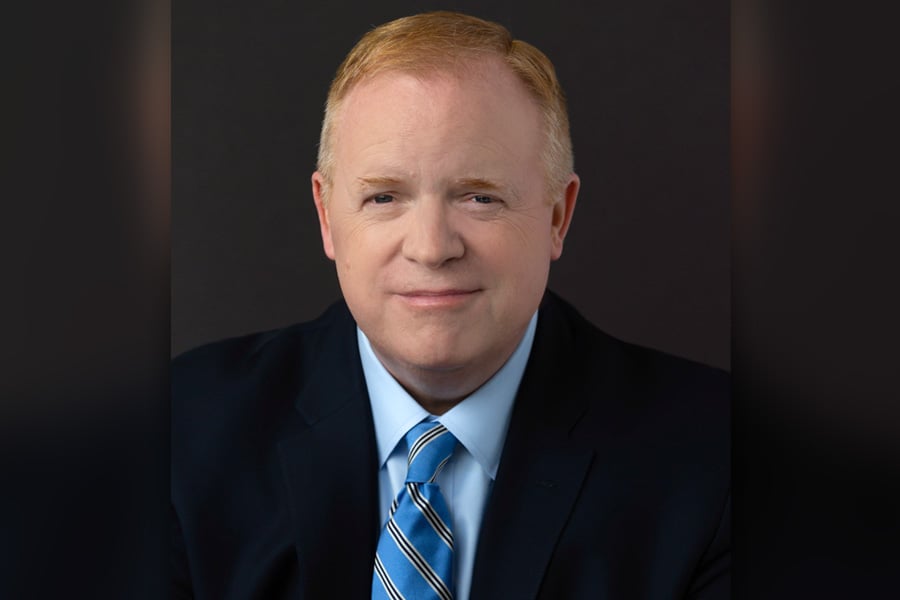
The first step on the Financial Planning Association’s path to establish legal protection for the profession is one that takes it away from an organization that was formed to promote a united front on policies affecting planners.
The FPA will leave the Financial Planning Coalition on Sept. 20 because it announced last month that it wants to obtain legal recognition for the title “financial planner,” an effort that could unfold at the state level. That would put FPA at odds with the FPC, which for years has opposed state regulation of financial planning.
There are no hard feelings between FPA and its coalition partners — the Certified Financial Planner Board of Standards Inc. and the National Association of Personal Financial Advisors — as the FPA goes its own way, said FPA CEO Patrick Mahoney.
“This is not an acrimonious departure,” Mahoney said. “We have a good working relationship with CFP Board and NAPFA. We respect them. We consider them friends. We will find things to work on with them in the coming years.”
One of those things could be title protection itself.
“We want to do this across the industry,” Mahoney said. “We want to get as much input as possible. We’re willing to work with anyone who shares our interest of advancing the profession.”
It remains to be seen whether FPA and the FPC can bridge their differences.
“It is for now the end of the coalition,” said CFP Board CEO Kevin Keller. “It is our hope that we’ll continue to collaborate when we have issues in common with FPA and NAPFA.”
The disintegration of the FPC was first reported by Financial Advisor magazine.
The FPC was originally established in 2009 to strengthen the ability of planners to influence legislation and regulations.
The demise of the FPC is “unfortunate because when we work together, we’re able to amplify our voice and leverage our relatively modest resources,” Keller said.
He was reticent about FPA’s move on title protection.
“I’m reluctant to comment on what FPA is pursuing because they haven’t said anything yet,” Keller said. “We don’t know where they’re going to end up.”
The FPA is likely to spend most of the next year determining the competency and ethical standards that should distinguish financial planning from the other 225 credentials that exist in the financial services industry.
“What we’re focused on is raising the profile of what it means in this country to be a financial planner, how that benefits consumers and how that ultimately benefits the profession,” Mahoney said.
After that foundation has been laid, the FPA will formulate a legislative strategy that could involve lobbying state legislators or Congress for legislation to establish the legal underpinnings of financial planning.
If it’s a state-by-state battle, the FPA on its own could be overwhelmed by other financial services interest groups, said Michael Kitces, executive chairman of XY Planning Network, a financial planning platform for fee-for-service investment advisers.
“You can be certain the product side has the resources to fight this fight in all 50 states simultaneously,” said Kitces, who's also head of planning strategy at Buckingham Wealth Partners.
The FPA has been on the sidelines of title protection, he said, while XYPN was successful in achieving some title fortification in Regulation Best Interest, the broker conduct standard. It also has filed a rulemaking petition at the SEC to go farther in requiring brokers to register as investment advisers when conducting financial planning and other services.
In addition, the SEC had formalized the protection of the financial planner title in 2005 in the so-called Merrill Lynch rule, Kitces said. But the FPA led the lawsuit to vacate that regulation over other provisions that would have allowed brokers to charge fees without registering as advisers.
“It’s an interesting about-face for the FPA from where it’s been historically,” Kitces said. “If they’re pursuing title protection, what’s the actual strategy, since they’re not working with organizations that have been pursuing title protection for years. FPA is not only late to this fight, they were fighting in the opposite direction.”
But he said he was “certainly open to the conversation” about helping FPA.
Mahoney welcomed Kitces’ input.
“We are taking this journey with an open mind,” he said. “We will consider all strategies and intend to be inclusive in doing so.”
Although a long road lies ahead, Mahoney is confident FPA is going in the right direction.
“We determined that we owe it to our members and our profession to fully focus our resources on the legal recognition of financial planning through title protection,” he said.

Salespeople at the firm often went beyond the matching algorithm to recommend network advisors on its Zoe Wealth platform, according to the regulator.

The Protect College Sports Act would cap school payments and codify NIL rights, with implications for advisors guiding young athletes.

"I know the number that I want to be able to retire on, and now I just want out," says Wilmington Trust's Marguerite Weese, describing a common refrain among business-owner clients.

Bessemer and Brown Brothers Harriman veteran Robert Ludricks III and private markets specialist Olof Akesson join the ultra-high-net-worth push on the East Coast.

765 investors were promised 260% annual returns on truck leases
As AI makes financial information more accessible than ever, Lana Hock explains why human judgment, trust, and empathy remain the qualities clients value most in a financial advisor
Northern Trust’s Ken Lassner shows advisors how to convert volatility into after-tax portfolio gains

