
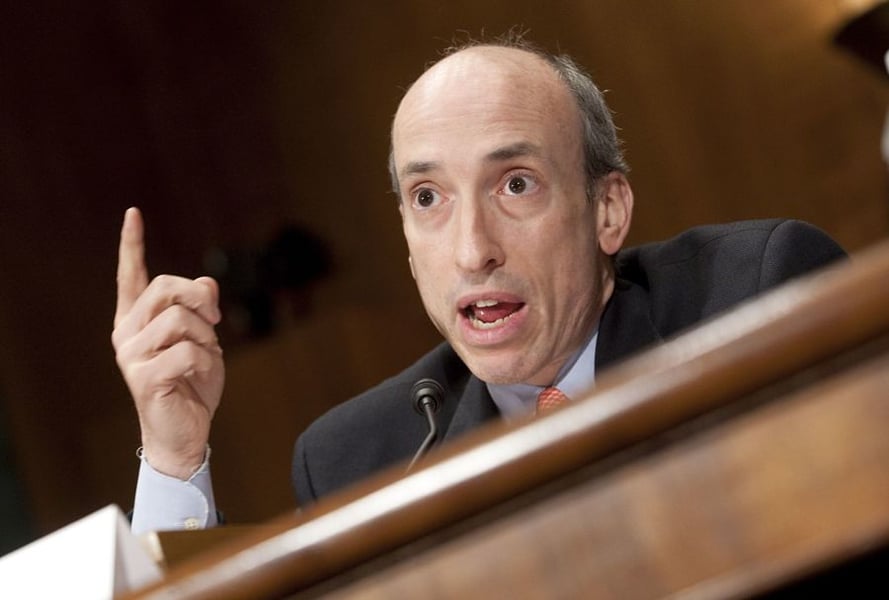
The Senate confirmed Gary Gensler to join the Securities and Exchange Commission, clearing the way for him to become Wall Street’s new sheriff as Washington grapples with myriad market threats.
Gensler, whose nomination was approved Wednesday in a 53-to-45 vote, is poised to confront everything from the fallout of the GameStop Corp. trading frenzy to the deluge of special purpose acquisition companies and the collapse of Archegos Capital Management. He will also face intense pressure from progressive Democrats, who want him to promptly toughen oversight that was weakened during the Trump administration.
The role of market watchdog is a familiar one for Gensler, 63. He ran the Commodity Futures Trading Commission during the Obama administration, imposing new rules on derivatives that were blamed for exacerbating the 2008 financial crisis. He’s also well-versed in the ways of industry, having been one of the youngest people to become a Goldman Sachs Group Inc. partner early in his career.
Issues that lawmakers expect Gensler to tackle were on display during his March 2 confirmation hearing. Senators asked his views on Bitcoin, popular trading apps like the one operated by Robinhood Markets, whether public companies are adequately disclosing the business risks of climate change and the inner workings of the stock market.
Early flashpoints could emerge if Gensler makes good on his promises to review whether firms like Robinhood have inappropriately made trading resemble video games and the controversial practice of brokers selling customer orders to Citadel Securities and other market-makers.
January’s frenzied trading of GameStop and other stocks will probably play a prominent role in Gensler’s agenda. The SEC is expected to soon release a report on what happened and is separately investigating for signs of market manipulation. The flood of share sales tied to SPACs is also drawing increased scrutiny from the SEC, with agency officials warning in recent weeks that offerings are getting riskier for retail investors.
Last month’s implosion of Bill Hwang’s Archegos was another shock that’s expected to elicit a regulatory response. His wrong-way bets triggered billions of dollars in losses for banks and raised questions about transparency as he was able to conceal his wagers using swaps. The episode also exposed dangers linked to family offices, which have experienced explosive growth while facing less monitoring than hedge funds and other investment firms.
Gensler is expected to continue SEC Acting Chair Allison Herren Lee’s focus on environmental, social and governance issues. Crypto enthusiasts also are optimistic that Gensler, who has taught courses about digital currencies at the Massachusetts Institute of Technology, will prompt the SEC to be less stringent. A top hope is that the agency will quickly approve a Bitcoin exchange-traded fund during his tenure.

New Escalent research finds younger, more diverse DC plan participants are open to rollovers - but increasingly prefer outside firms.

UBS finds millionaire investors are more optimistic than before 2024 but are actively repositioning portfolios ahead of November 3.
Auto-enrollment has landed for 60 million children, but Baird planning director says key questions on rollovers and Roth conversions remain open.

MyComplianceOffice's AI-assisted surveillance links employee chats on Slack and Telegram with prediction market trades as Wall Street tightens rules

Elsewhere, Raymond James absorbs a family-run practice from Commonwealth into its independent channel, while RBC welcomes a father-son tandem formerly from UBS.
Knighthead Life entered the market with a competitive MYGA. A strong launch earned advisor confidence and paved the way for FIAs.
As AI makes financial information more accessible than ever, Lana Hock explains why human judgment, trust, and empathy remain the qualities clients value most in a financial advisor

