
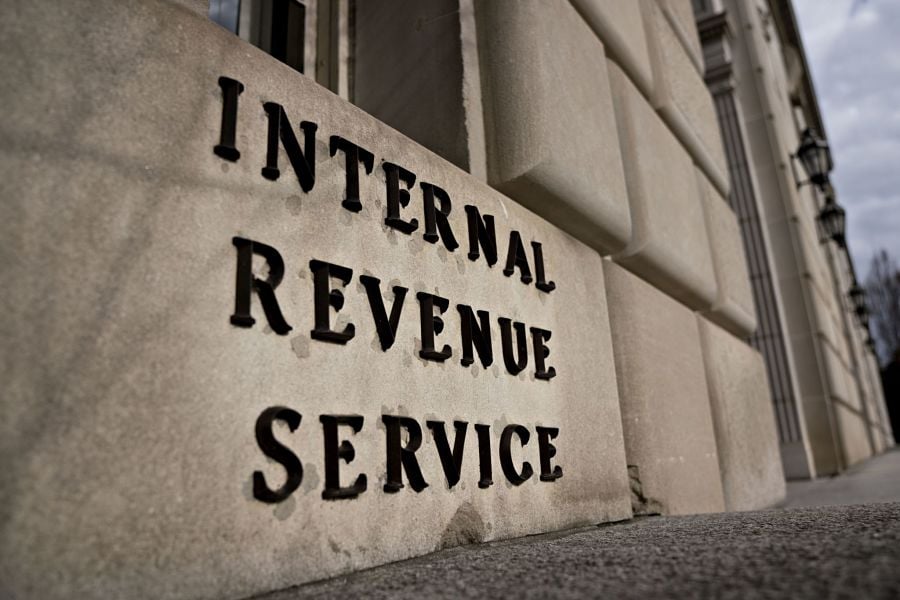
In a move that has significant implications for tax practitioners, the Internal Revenue Service declared Monday, in a drastic shift in its longstanding policy, that it will stop making unexpected home and business visits. The IRS has traditionally used these surprise visits as a strategy to recover unpaid taxes but faced growing criticism and safety threats to its employees.
This strategic alteration takes place in tandem with the agency's substantial technology modernization project, representing a financial investment in the billions. The project focuses on tax code enforcement, customer service enhancement, and technological advancement. Concurrently, the IRS faces intensifying scrutiny due to accusations of political prejudice from Republicans and allegations of overly harsh tactics from taxpayers.
IRS Commissioner Daniel Werfel characterized the initiative as a "common-sense step" and a fresh perspective on improving the IRS' operations. In a statement, Werfel argued that transforming the public perception of the IRS — viewed as a door-to-door tax collector — would both amplify taxpayers' trust in tax administration and ensure safety for all parties involved.
This shift aligns with the agency's effort to promote a more customer-oriented approach. Amid partisan rhetoric insinuating a colossal IRS recruitment drive aimed at small businesses and the middle class, the agency is striving to navigate increasing taxpayer hostility. This deteriorating environment has heightened the risk for IRS agents, culminating in a comprehensive security review as a result of targeted threats spurred by misinformation and false social media posts.
Going forward, the IRS plans to replace unanticipated visits with mailed notifications to arrange meetings, except in what it calls exceptional cases. In-person visits, previously utilized for tax debts over $100,000 to signify active case monitoring, will evolve. Should taxpayers dismiss these written communications, the IRS could impose penalties or property liens.
The change does not affect the criminal investigation unit of the IRS, which employs armed agents and will retain its visiting practices. However, the IRS's standard operating procedures, involving thousands of unexpected visits by around 2,000 unarmed revenue officers annually, will be curtailed to cases involving summonses, subpoenas or asset seizures. Such cases occur less frequently, usually only several hundred times a year.
The IRS's initiative hasn’t deterred Republicans from challenging the Biden administration's endeavor to enhance IRS capabilities via an $80 billion fund granted by the Inflation Reduction Act. The IRS has already announced that more than 7,000 enforcement staff will be hired in the near future. It suffered a $1.4 billion funding cut through the debt limit legislation passed in June, with another $20 billion anticipated to be withdrawn in the final budget agreement.
Werfel affirmed that the new policy shift aims to address and alleviate anxieties caused by scam artists posing as IRS agents, thereby reducing stress for both taxpayers and revenue officers. He insists that advanced analytics will support the agency in meeting its compliance objectives without intrusive visits. Werfel foresees this approach appeasing congressional concerns about unexpected visits, thereby enhancing the agency's reputation and the safety of IRS employees.
As the industry gears up to respond to these changes, financial advisors should be prepared to guide clients through potential implications of the new tax administration landscape.

“The White House has extremely strict ethical guidelines with respect to issues like this,” said Press Secretary Karoline Leavitt.

Just how much does it cost for a financial advice exec to stay out of prison?

The advisor both prices FSK's private loans and gets paid on those prices, the suit claims

The proposal would end decades of paper-first delivery rules, but keeps a paper opt-out and draws early praise from fund and annuity industry groups.

The Trump accounts are “generationally changing” and bring financial literacy to youth, said IRS chief Frank Bisignano.
Northern Trust’s Ken Lassner shows advisors how to convert volatility into after-tax portfolio gains
Dan Biagini of American Equity says the steady decline of pensions, longer lifespans and a reset in interest rates are rewriting how advisors build retirement income

