
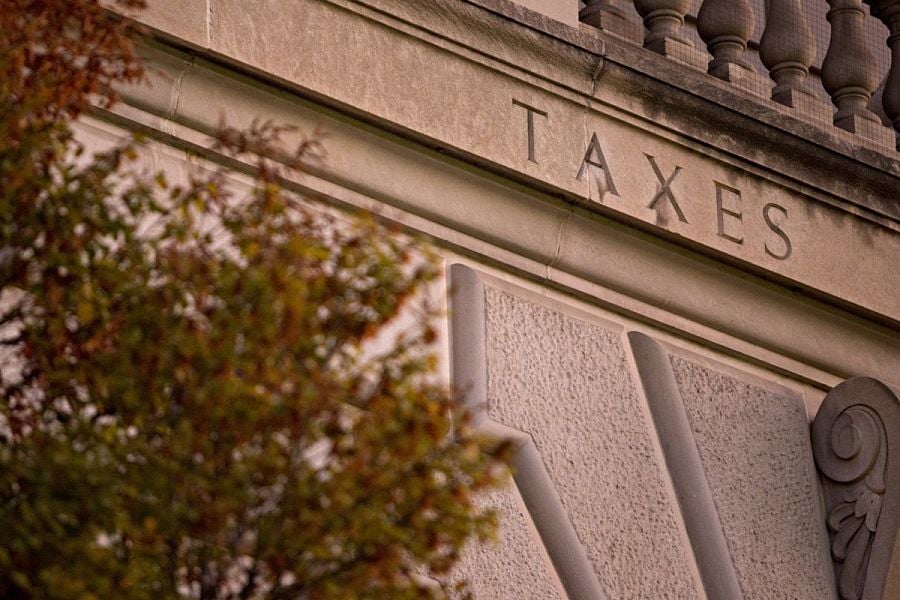
Businesses that donate to charitable funds in exchange for a state tax credit can deduct those costs from their federal taxes, according to regulations released on Friday.
The Internal Revenue Service guidance, which finalized a proposal from December, addresses confusion to how the donations are treated, following changes to how the IRS treats tax benefits from donating to state charitable funds.
The regulations also provide a safe harbor for some individuals who donate to these charitable funds for a tax credit.
The regulations are a response to new state charitable funds that sprung up following the 2017 tax law, which capped the annual state and local tax, or SALT, deduction on federal tax returns at $10,000.
The SALT cap was one of the most politically contentious changes in the Republican tax overhaul. Removing the cap on SALT deductions is among the things Democrats have said they’re are pursuing in negotiations with Republicans for an upcoming stimulus bill. Talks stalled Friday after the two sides failed to reach agreement about the overall cost of a deal.

Meanwhile, DPL Financial Partners adds two annuity executives and Prime Capital Financial hires a Mid-Atlantic retirement plan consultant

Andrew Komarow pleaded guilty Thursday in federal court in Hartford to defrauding three financial services companies of close to $3.3 million.

Elsewhere, Cetera picks up a $210 million Connecticut team from MML, while Wells Fargo FiNet adds a San Diego family practice from LPL

“We needed to become a more agile and efficient organization,” said American Express CEO Stephen Squeri.

Examiners will scrutinize fee conflicts, complex products and super intelligence threats as broker-dealers face fresh Reg BI and AML reviews
Knighthead Life entered the market with a competitive MYGA. A strong launch earned advisor confidence and paved the way for FIAs.
As AI makes financial information more accessible than ever, Lana Hock explains why human judgment, trust, and empathy remain the qualities clients value most in a financial advisor

