Follow the money. It's advice that's applied to solving crimes as well as determining how politicians will vote and which issues they will support.
Sometimes, though, following the money in politics can lead to a dead end — or at least a crossroads. Campaign donations are not always a decisive variable.
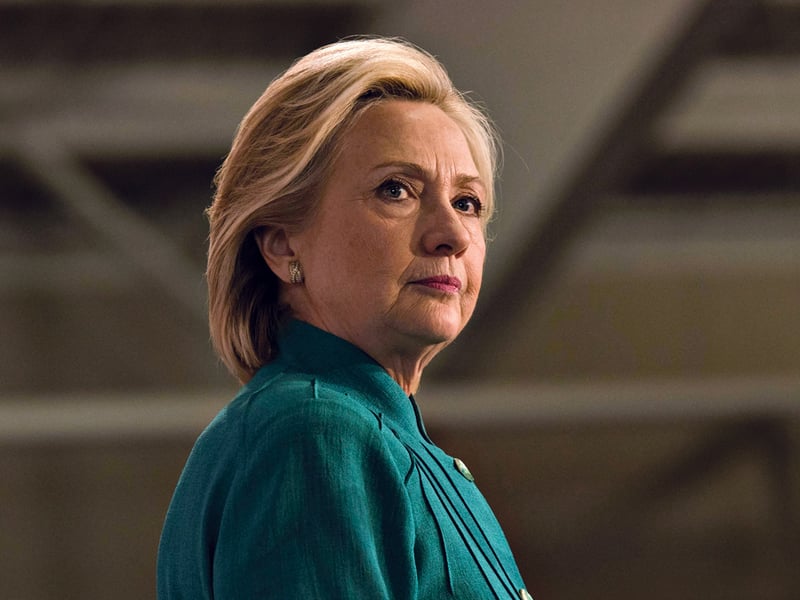
Democratic presidential candidate Hillary Clinton is getting pummeled by her rival for the nomination, Vermont Sen. Bernie Sanders, over the amount of money she's receiving from the financial industry. Indeed, it's a lot:
$17 million so far, according to the Center for Responsive Politics.
Ms. Clinton maintains that the campaign largesse won't lull her to sleep on Wall Street reform. She says her plan is the toughest one being offered.
Her claim that she can take industry money with one hand and administer tough policy with the other is supported by at least one stance that affects investment advisers and brokers directly. Ms. Clinton supports the Labor Department rule that would raise advice standards for retirement accounts.
The regulation is reviled by financial firms, who are doing everything they can to derail it as it nears completion. But Ms. Clinton has stood with the Obama administration in favor of the rule.
She hasn't gone into great detail about her support, nor has she elevated it to the same level as other financial reforms she's touted. She is, perhaps, being vague enough to give herself wiggle room. Nonetheless, she has put herself on the side of Massachusetts Sen. Elizabeth Warren, D-Mass., the bête noire of Wall Street.
The rule's most prominent champion, President Barack Obama, did not reject Wall Street money during his presidential campaigns either. In 2012, he raised $21 million from Wall Street. Of course, his administration waited until 2014 to propose the DOL rule, when he was safely removed from having to face voters — and raise money — again.
Some congressional Democrats are supporting the rule to the likely chagrin of some of their biggest donors.
For instance, Rep. Gwen Moore, D-Wisc., is getting the most support during this election cycle from the insurance industry, according to the Center for Responsive Politics. Her second biggest industry donor is securities and investments. Both groups hate the DOL rule.
A couple years ago, Ms. Moore supported a bill that would have halted the DOL rule. But she didn't vote for that legislation in the current Congress. She said she wants to give the DOL a chance to finish the rule.
This is not to say political donations don't affect how legislators act. Contributing to lawmaker's re-election certainly makes it easier for an interest group to get a meeting with her or him. Whether it influences a final stance, or a vote, on an issue is less certain.
It's tempting to make the connection — and sometimes it's accurate.
Many legislators who are supporting House and Senate bills to stop the DOL rule raise much campaign money from the securities and insurance industries. They will say, though, that the donors are supporting their policy positions, not the other way around.
There's a tendency in politics not so much to bite the hand that feeds you as to ensure that many hands are feeding you. If you raise enough money, you're going to have people on every side of an issue on your campaign finance report.
The best way to evaluate politicians is to assess their policy values and beliefs and compare them to your own. If there's alignment, vote for them. If not, vote for their opponents. Parsing campaign-donation reports may not give you the answer you're seeking.