
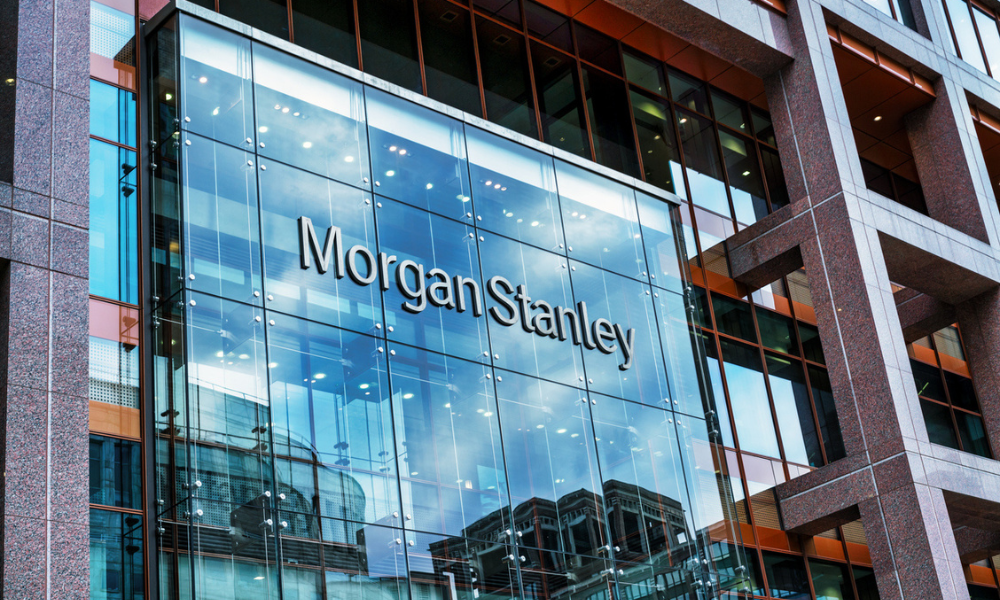
Morgan Stanley analysts are turning bullish on major US banks on expectations that pending regulatory changes for higher capital levels will be less onerous than the current proposal, opening the door for an increase in buybacks.
The analysts, led by Betsy Graseck, raised their recommendation on Goldman Sachs Group Inc., Citigroup Inc. and Bank of America Corp. to overweight and upgraded the large-cap banking group to attractive, according to a Tuesday note.
The signature bank capital overhaul of Michael Barr, vice chair for supervision at the US Federal Reserve, was unveiled in July and came to be known as the Basel 3 Endgame, requiring the biggest lenders to increase the amount of capital they set aside by almost 20%. Facing large opposition from within the Fed and banks, Bloomberg reported earlier this month that Barr is open to make concessions.
“Reading the tea leaves, it looks like Basel Endgame will be lightened up,” the analysts wrote. “This opens the door for a significant increase in buybacks, as large cap banks have the highest excess capital levels ever.”
The biggest US banks have built a fortress $154 billion of excess capital above their current requirements to offset potential headwinds. The final rule could be less onerous than the proposal, and with over four years until full implementation, banks have time to take mitigating actions, Bloomberg Intelligence analyst Nick Beckwith wrote in a note last week.
The Morgan Stanley analysts also upgraded Bank of New York Mellon Corp. to equal weight from underweight and downgraded Northern Trust Corp. to underweight from equal weight, due to valuation.

The financial advice industry has been facing inquiries into its cash sweep programs for years now.

Investor money allegedly went to strip clubs, exotic cars, and landscaping

Procyon adds $415 million in assets under management in New Jersey while Savant picks up a $213 million Southern California planning firm

With a growing number of real estate-rich Baby Boomers aging into retirement, some advisors may be failing to consider all the options available for those clients' assets.

Cornerstone Advisors study reveals compliance bottlenecks stall campaigns weeks after customer opportunities close.
As AI makes financial information more accessible than ever, Lana Hock explains why human judgment, trust, and empathy remain the qualities clients value most in a financial advisor
Northern Trust’s Ken Lassner shows advisors how to convert volatility into after-tax portfolio gains

