
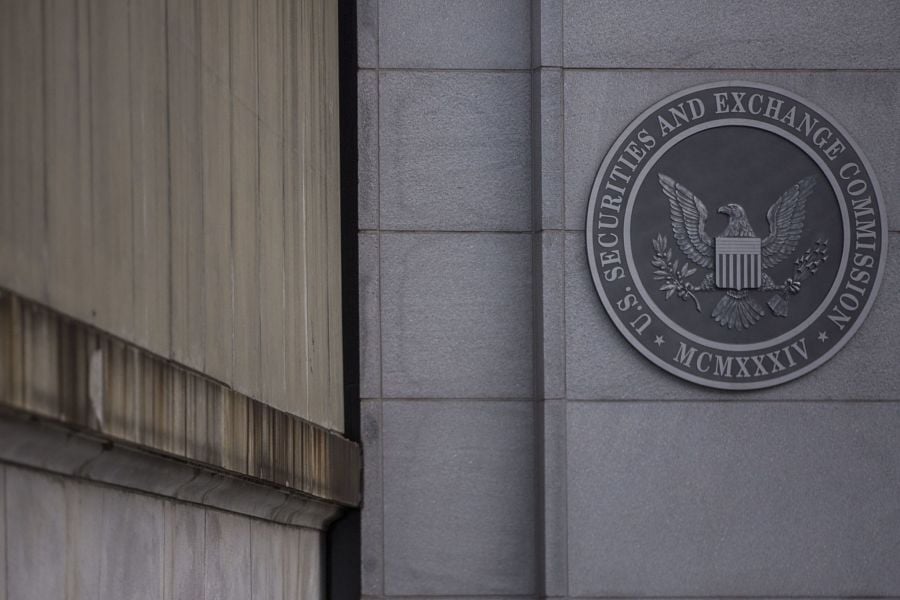
Morningstar Credit Ratings let analysts make undisclosed adjustments that resulted in higher ratings of mortgage-backed securities for issuers that paid for the rating, the Securities and Exchange Commission said in a lawsuit against the rating agency.
The SEC sued Morningstar in federal court in Manhattan Tuesday for allegedly failing to transparently explain how it rated about $30 billion in commercial mortgage-backed securities in 2015 and 2016. According to the regulator, the rating agency permitted its analysts to adjust key stresses in the model that it used in determining CMBS ratings.
Analysts frequently reduced the stress applied in the model, lowering the credit enhancement required for many of the ratings it awarded, the SEC said. This, in certain instances, benefited the issuers that paid for the ratings because it enabled them to pay lower interest, according to the suit.
“Morningstar failed to disclose that its CMBS rating methodology permitted its analysts to adjust those stresses on a ‘loan-specific’ basis,” the SEC said in the complaint. “This omission was material.”
Morningstar Credit Ratings, or MCR, hasn’t used those methods to rate CMBS transactions since 2017 and ended the practice a year later, the company said in an emailed statement.
“The SEC alleges technical violations of the rules that formerly applied to MCR when it was a credit rating agency,” the company said. “In fact, MCR complied with the regulatory requirements in question; the SEC’s position in this case is inconsistent with its own rules and the SEC’s stated policies. ”
In September, Kroll Bond Rating Agency Inc. agreed to pay more than $2 million to the SEC to settle claims that its internal controls failed to prevent inconsistencies in CMBS and collateralized loan obligation ratings.

Daejon Love and Taylor Chan's $1.3 million romance fraud scheme exposes how AI search engines can be manipulated by fabricated online identities

“It was a third party scam,” said the attorney representing the claimants.

Meanwhile, &Partners draws another Commonwealth practice, and Wealthcare welcomes a $550 million planning practice in the Northeast.

Palo Alto AI platform recruits RIA and fintech leaders as industry data show AI adoption reshaping advisor staffing.

Meanwhile, Raymond James, Wedbush, and LPL recruited veteran advisors from across Texas, North Carolina, and California.
Northern Trust’s Ken Lassner shows advisors how to convert volatility into after-tax portfolio gains
Dan Biagini of American Equity says the steady decline of pensions, longer lifespans and a reset in interest rates are rewriting how advisors build retirement income

