
As Syed Arham Arbab headed to jail for securities fraud, he pulled off another scam that tricked brokerages into trading based on fake account balances.
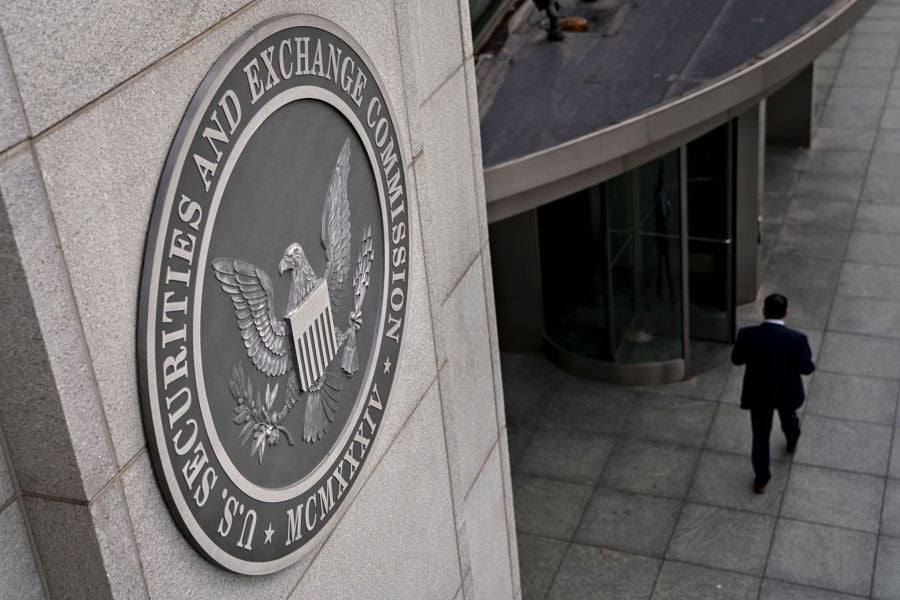
The Securities and Exchange Commission on Monday charged Arbab and five others with making more than $2 million in bogus deposits to brokerage accounts from bank accounts that were empty or underfunded. The fraudulent electronic fund transfers triggered immediate deposit credit from two broker-dealers, which the perpetrators then used to make unfunded online trades.
The SEC alleged that the scheme, which ran from May 2019 to early January 2021, involved $1.5 million in instant deposit credit and resulted in $146,600 in losses for the brokerages, which were not named in the complaint the SEC filed in an Atlanta federal court.
Arbab, 25, was set to begin a five-year sentence in January 2021 for pleading guilty to conducting a Ponzi scheme from May 2018 to May 2019 from a fraternity house near the University of Georgia campus.
After Arbab concluded the Ponzi scheme, he seemed to turn his attention to the so-called “free-riding” ripoff. He and his five friends used the “instant deposit” credit they fraudulently obtained from the brokerages to buy and sell securities online. They then withdrew trading profits before the brokerages caught on to their ruse and froze their accounts.
The SEC alleged that Arbab, who lives in Atlanta, conceived and executed the scheme.
“In addition to engaging in his own free-riding, he also solicited dozens of individuals through group text messages and social media to engage in this fraud,” the SEC complaint states. “While many rejected Arbab’s solicitations, others agreed to free-ride with him and thereafter either allowed him to free-ride in their accounts, or were coached by him to free-ride on their own.”
Arbab’s co-defendants were friends of his from high school and college — Tomas Javier Jimenez, 24, of Dunwoody, Georgia; Blake Douglas McKinney, 26, of Plymouth, Michigan; Mushfiqur Rahman, 21, of Jamaica, New York; John Ryan Shows, 25, of Atlanta; and William Carl Spagnoli, 24, of Alpharetta, Georgia.
“Securities traders who seek to cheat the market with fake deposits of money to make unfunded securities transactions will be held accountable for their deception,” Justin C. Jeffries, associate director of enforcement for the SEC’s Atlanta regional office, said in a statement. “Free-riding is not a victimless scheme, as broker-dealers form an integral part of the market and are protected from fraud under the federal securities laws.”
The SEC is seeking conduct-based injunctions and civil penalties from all the defendants, as well as disgorgement of ill-gotten gains and prejudgment interest from Arbab, Jimenez, Rahman, Shows and Spagnoli.
Robert D. Loventhal, an attorney representing Arbab and Rahman, declined to comment beyond saying, “The case is settled, and we are about to submit some papers to the SEC.”
The defendants did not admit nor deny the SEC’s allegations.

Focus Partners Wealth’s Jeffrey Levine says a Democratic House or Senate would make new legislation on Trump Accounts much harder to pass

Docupace also rebuilt its wealth operations platform around a single client record, while Focus Financial picks Nevis to bring AI to its advisors.

Consolidators handled 53% of deals through September as smaller sellers stalled amid market volatility, DeVoe & Company finds.

Shook Research has a new name and brand, Veritant, and will continue its coveted rankings of financial advisors.

The Supernova-powered lending line follows a Flourish Cash rollout as the insurer pushes private-bank-style tools to its 6,000-plus advisors
Knighthead Life entered the market with a competitive MYGA. A strong launch earned advisor confidence and paved the way for FIAs.
As AI makes financial information more accessible than ever, Lana Hock explains why human judgment, trust, and empathy remain the qualities clients value most in a financial advisor

