
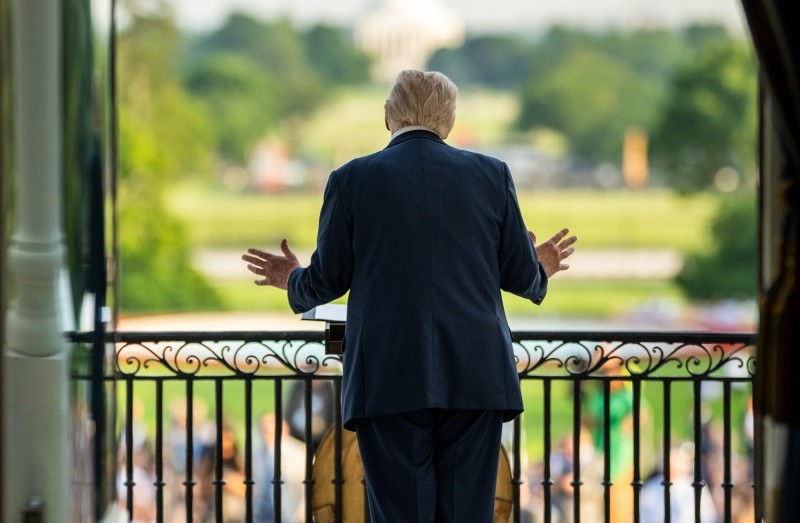
The US and Japan finalized a landmark trade agreement that could serve as a template for other nations negotiating with the Trump administration. The deal reduces tariffs on Japanese auto imports from 27.5% to 15%, and similarly lowers duties on other goods that were set to rise in August. While 15% tariffs are still material, they are manageable and preferable to the uncertainty that has plagued global markets.
The agreement also includes a $550 billion Japanese investment in US operations.
Analysts now expect average global tariffs to settle around 15%, a level that, while not ideal, is seen as sustainable for the global economy. The clarity provided by the deal has eased fears of sudden tariff hikes and encouraged hopes for similar agreements with other major exporters.
President Trump highlighted Japan’s commitment to open its markets to US goods, including agricultural products. The investment potentially could lead to the creation of hundreds of thousands of American jobs. Japanese leaders also praised the agreement, framing it as a strategic partnership that would enhance global production and cooperation.
Trump posted on Truth Social some of the farther-reaching impact:
"...Perhaps most importantly, Japan will open their Country to Trade including Cars and Trucks, Rice and certain other Agricultural Products, and other things. Japan will pay Reciprocal Tariffs to the United States of 15%."
Meanwhile, Japan's Prime Minister Shigeru Ishiba celebrated the agreement, according to WSJ.com: “The government was determined to protect national interests ... [it] “will lead to Japan and the U.S. working together to create jobs, produce high-quality goods, and contribute to fulfilling various roles in the world going forward,” he said.
The broader implications of the deal are already being felt. With the August 1 deadline looming, pressure is mounting on the European Union and China to reach similar agreements. The EU faces the threat of 30% tariffs, which could severely disrupt transatlantic trade, while China risks a dramatic escalation to 145% tariffs without a resolution by August 12. The Japan deal may accelerate negotiations with other Asian exporters, including the Philippines and Indonesia, as countries seek to avoid punitive measures and secure favorable terms.
Ultimately, the trade agreement provides a clearer picture of the Trump administration’s trade strategy: moderate tariffs in exchange for investment and market access.

In a constant fight over control of clients, the financial advice industry has a long history of such allegations and disputes.

Retirement fintech Vestwell has hit profitability and $200 million in annual recurring revenue, powering savings programs for 750,000 employers and Wall Street’s biggest firms

Meanwhile, &Partners has drawn another Wells Fargo team based in Missouri, while an experienced South Carolina advisor has returned to Cetera from LPL.

Faulty Forms 1099 and account statements reportedly left some Vanguard brokerage customers overpaying or underpaying taxes for over a decade.

The democratization of ETFs cuts both ways
As AI makes financial information more accessible than ever, Lana Hock explains why human judgment, trust, and empathy remain the qualities clients value most in a financial advisor
Northern Trust’s Ken Lassner shows advisors how to convert volatility into after-tax portfolio gains

