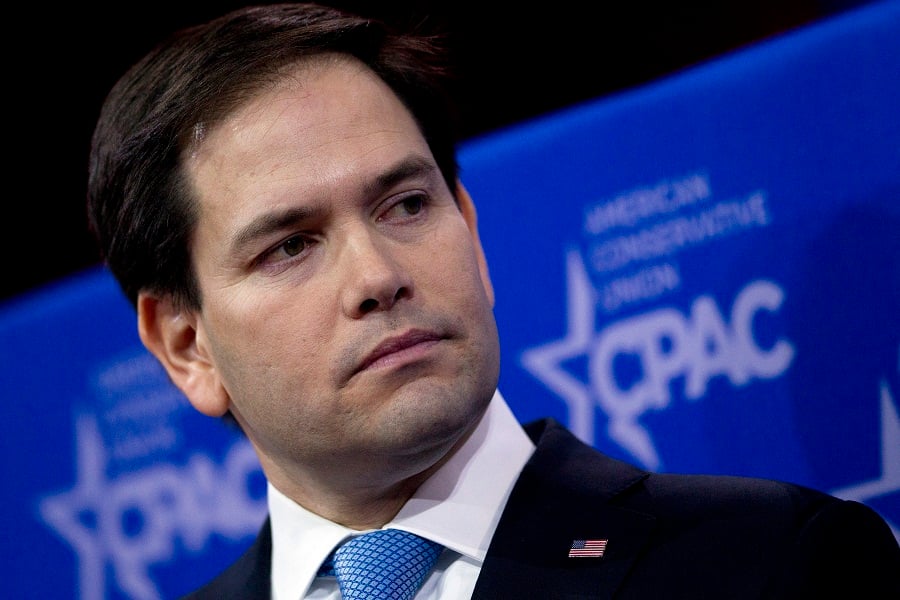
Sen. Marco Rubio is taking on the GOP's 2017 tax law by arguing that it's encouraging companies' rush to buy back stock, hurting the economy.
The Florida Republican, as chairman of the Senate Committee on Small Business and Entrepreneurship, released a plan Tuesday that would curb incentives for companies to use excess capital to buy back shares, a move that investors like because it can increase the stock price.
Buybacks should be taxed the same as dividends and companies should be able to immediately write off the costs of more capital assets and research and development expenses, according to the plan.
"Cash spent on share repurchases is not cash spent on capital investment," according to the plan, which echoes comments Mr. Rubio made in December. "Building a more productive industrial base will require more investment in tangible assets."
Mr. Rubio, who voted for the tax law, echoes the message Democrats have used to criticize his party's signature legislative achievement under President Donald Trump. They've said the
2017 law, which slashes the corporate rate to 21% from 35%, is a handout to corporations, many of which are using their savings to repurchase stock. The tax law also includes some tax breaks to invest in equipment and property, but those expire in 2022, while the corporate rate cuts are permanent.
The debate surrounding share buybacks has emerged again following a New York Times op-ed by Senate Majority Leader Chuck Schumer and Sen. Bernie Sanders on Feb. 4 that called out the practice. Mr. Schumer and Mr. Sanders plan to introduce legislation that would prohibit companies from buying back their own shares without reinvesting in workers through a $15 minimum wage, seven days of paid sick leave and "decent pensions and more reliable health benefits."
Key defenders of the Trump tax plan have sought to downplay the benefit for corporations. Kevin Hassett, chairman of the White House Council of Economic Advisers, said in an op-ed in April that those who described the tax cuts as helping corporations at the expense of the working class were "wrong." Treasury Secretary Steven Mnuchin has said that buybacks help recycle capital through the economy, which ultimately is good for all Americans.
Aggregate share repurchases, also known as buybacks, increased by almost 50%, to $384 billion,
in the first half of 2018, the six months following the passage of the tax law, according to research from
Goldman Sachs. Business equipment orders, a proxy for capital investment, have missed estimates in recent months.
Mr. Rubio, who ran unsuccessfully for president in 2016, has previously criticized his party for directing too much of the 2017 tax cut to corporations and not enough to families.
In the final days of debate in the Senate, Mr. Rubio, along with Mike Lee of Utah, pushed to increase the corporate tax rate to pay for a more generous child tax cut. After lawmakers agreed to increase the refundable portion of the credit, Mr. Rubio supported the law.
(More: Wealth tax proposed by Elizabeth Warren could be illegal)