
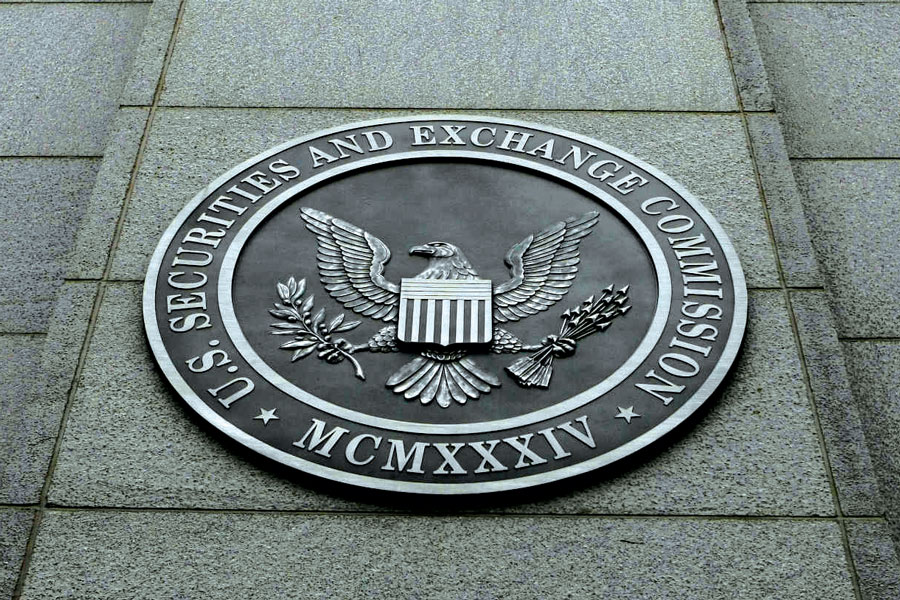
The Securities and Exchange Commission has charged Thomas D. Renison and Timothy J. Allcott, principals of a Peabody, Mass.-based investment firm, ARO Equity, with fraud.
The SEC alleges that the two made false statements to current and prospective retail investors about ARO Equity's performance and used investor funds to pay interest to other investors. Such actions constitute a Ponzi scheme.
According to the SEC’s complaint, Mr. Renison, of South Glastonbury, Conn., was barred from the securities industry by the SEC in July 2014. Nevertheless, the SEC alleges that from at least July 2015 through June 2018, Mr. Renison, along with Mr. Allcott, of Peabody, Mass., formed ARO Equity and raised approximately $6 million from at least 15 investors.
The SEC is seeking a permanent injunction against the firm, conduct-based injunctions against its two principals, disgorgement plus prejudgment interest, civil penalties, and an order from the court requiring Mr. Renison to comply with the SEC's 2014 bar.

House-passed measure would let fraud victims deduct losses and waive early-withdrawal penalties on stolen retirement funds.

Anthropic's Enterprise plan offers advisors stronger data controls — but smaller RIAs may struggle with the cost.

Partnership with DPL adds Jackson and Protective to insurance marketplace as fee-based annuities gain traction with fiduciary advisors.

Morgan Stanley is one of the leading wealth management companies in the country.

South Carolina and Bay Area advisory teams join the WPCG-backed national platform as RIA dealmaking hits new highs.
Northern Trust’s Ken Lassner shows advisors how to convert volatility into after-tax portfolio gains
Dan Biagini of American Equity says the steady decline of pensions, longer lifespans and a reset in interest rates are rewriting how advisors build retirement income

