The Securities and Exchange Commission is considering making its reasoning for trying enforcement cases before its own judges rather than in court easier to understand.
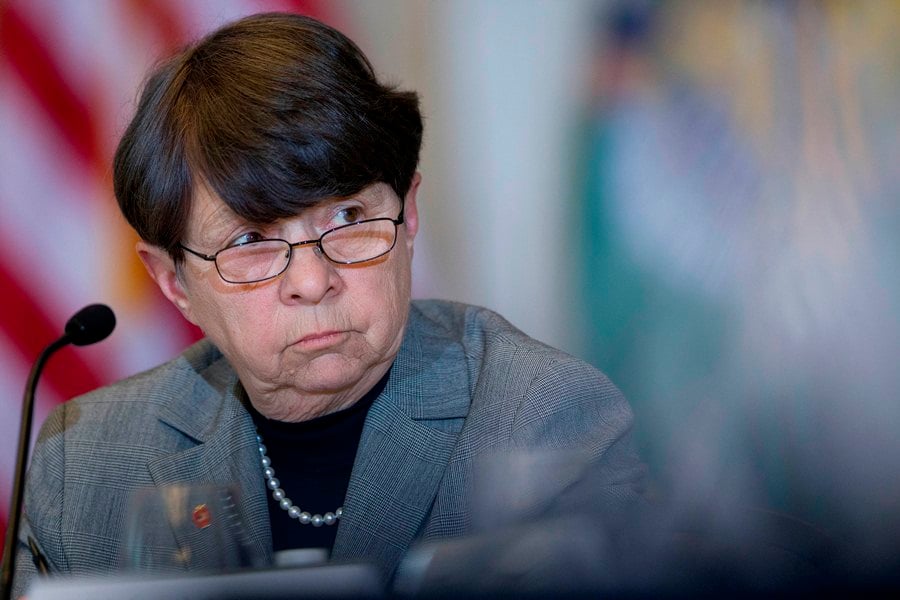
In congressional testimony on May 5, SEC Chairwoman Mary Jo White said she may float a proposal that would outline why the agency takes cases before in-house adjudicators.
“One of the things I'm considering is whether we should do public guidelines to make that clear and transparent for both the parties and public,” Ms. White told a Senate Appropriations subcommittee.
One lawmaker at the hearing expressed concern about the SEC's increasing use of its own administrative law judges.
“I think it's important for the investment community to believe there's fairness and transparency in all judicial venues,” said Sen. John Boozman, R-Ark., chairman of the Senate Appropriations Subcommittee on Fnancial Services.
In the most recent fiscal year, the SEC filed 57% of its cases in district court and 43% in administrative forums.
Critics say that the in-house procedures give the SEC a home-court advantage in enforcement cases. A
Wall Street Journal study published Thursday found that the SEC won 90% of the cases it brought through administrative proceedings from October 2010 through March.
Public guidelines would shed some light on why the SEC chooses the administrative venue for some cases and courts for others, said Tom Gorman, a partner at Dorsey & Whitney.
“Right now, it seems to be completely random,” Mr. Gorman said. “It may be a helpful step, depending on how they configure [the guidelines] and whether they follow them.”
The stakes are high for the SEC as it deals with negative reaction to its use of in-house judges, according to Mr. Gorman.
“A big chunk of their reputation rests on the perception that they’re dealing with people in a fair fashion,” he said.
Ms. White's move toward public guidelines echoes a similar call from SEC member Michael Piwowar.
“To avoid the perception that the commission is taking its tougher cases to in-house judges, and to ensure that all are treated fairly and equally, the commission should set out and implement guidelines for determining which cases are brought in administrative proceedings and which in federal courts,” Mr. Piwowar said in a Feb. 20 speech at the Practising Law Institute's SEC Speaks conference in Washington.
One way the SEC might make a venue decision is based on the complexity of the case, Mr. Gorman said. Bigger ones that are address a range of issues could head for court, while investment adviser and broker cases that hinge on technical securities laws could stay in the administrative arena.
“The need for discovery is the essential question,” Mr. Gorman said.
It's not clear when guidelines will be proposed, but Ms. White said the topic is on the minds of the five SEC commissioners.
“All of the commissioners are focused on this,” she said at the Senate hearing.