
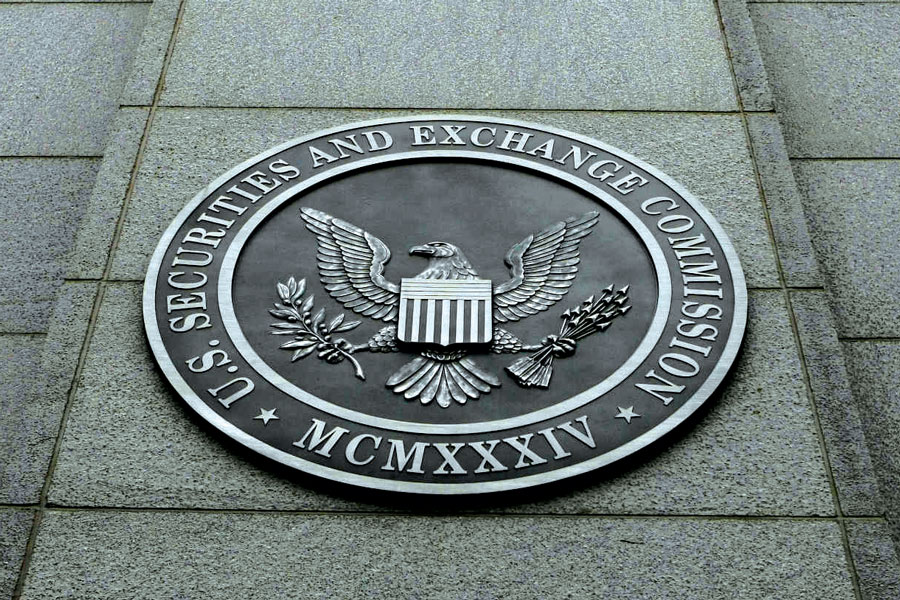
The Securities and Exchange Commission has settled charges against registered investment adviser First Republic Investment Management for breaches of fiduciary duty. Without admitting or denying the SEC’s findings, the RIA consented to a cease-and-desist order and a censure, and agreed to pay disgorgement of $1,332,664, prejudgment interest of $243,289, and a civil penalty of $250,000. It also agreed to distribute funds to harmed clients.
The breaches were in connection with its affiliated broker's receipt of third-party compensation from advisory client investments “without fully and fairly disclosing its conflicts of interest,” the SEC said in a release.
According to the SEC, the RIA invested client assets in certain no-transaction-fee mutual funds and certain money market funds used as cash sweep vehicles for which its affiliated broker received revenue sharing without fully and fairly disclosing the advisory firm’s conflict of interest concerning these payments.
In addition, the SEC found that the RIA also breached its duty to seek best execution by causing certain advisory clients to invest in mutual fund share classes that paid revenue sharing when share classes of the same funds were available that presented a more favorable value at the time of the transactions.

Daejon Love and Taylor Chan's $1.3 million romance fraud scheme exposes how AI search engines can be manipulated by fabricated online identities

“It was a third party scam,” said the attorney representing the claimants.

Meanwhile, &Partners draws another Commonwealth practice, and Wealthcare welcomes a $550 million planning practice in the Northeast.

Palo Alto AI platform recruits RIA and fintech leaders as industry data show AI adoption reshaping advisor staffing.

Meanwhile, Raymond James, Wedbush, and LPL recruited veteran advisors from across Texas, North Carolina, and California.
Northern Trust’s Ken Lassner shows advisors how to convert volatility into after-tax portfolio gains
Dan Biagini of American Equity says the steady decline of pensions, longer lifespans and a reset in interest rates are rewriting how advisors build retirement income

