
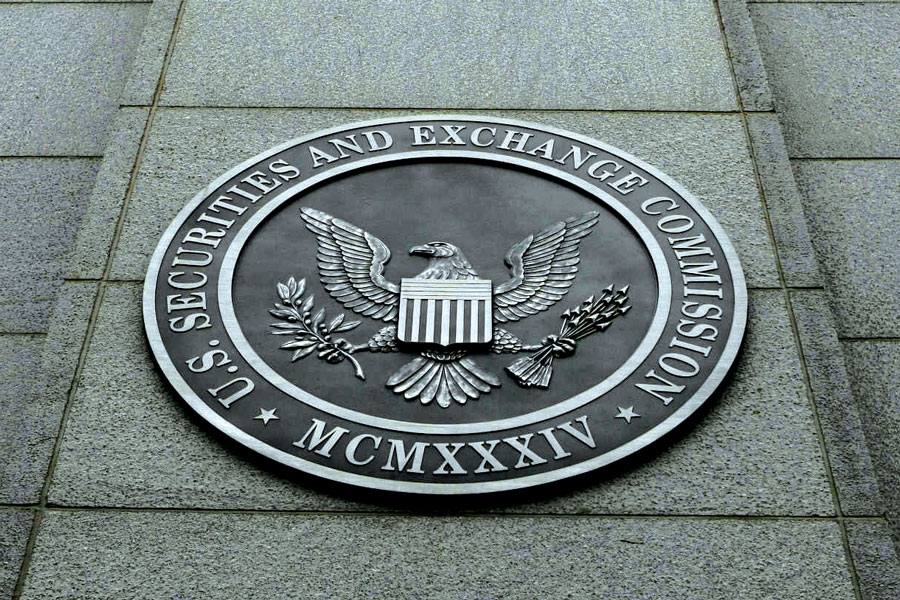
A pair of rule amendments issued this week by the SEC mean that future proxy voting seasons could be just as explosive as this year’s — if not more so.
Last Wednesday, the Securities and Exchange Commission voted on a party line 3-2 to approve the changes, which lift some Trump-era restrictions on proxy adviser firms and would make permanent special guidance the regulator issued late last year for shareholder proposals.
Specifically, the SEC voted to propose a rule amendment that would make it more difficult for public companies to keep resolutions submitted by shareholders from going to votes. That effectively would make a formal rule around some of the guidance the agency provided in a legal bulletin in November, which all but opened the floodgates for shareholder proposals and led to the record proxy season seen this year. The SEC is collecting public comments for 60 days on the proposal.
So far in 2022, there have been at least 282 votes on ESG topics, with 34 winning majority support, according to a report this week from As You Sow. There was a record of about 600 resolutions filed, up from less than 500 in 2021, that group found. Many fewer resolutions have been omitted from proxy ballots this year, and some have been withdrawn.
“The November interpretative guidance meant far fewer company challenges to proposals succeeded and if the proposed rule were adopted, it seems like that would be made permanent,” Heidi Welsh, executive director of the Sustainable Investments Institute, said in an email. “It could always be overturned by proposing a new rule, but a full-fledged rule is much harder to change than interpretive guidance.”
The SEC’s new proposal addresses three sections of Rule 14a-8 that have to do with excluding shareholder resolutions that cover issues companies may have already addressed, are duplicative of other shareholder resolutions or are effectively the same as resolutions previously submitted and received very low support in votes.
“The through-line is that ‘the same’ is much more specific and less open to interpretation than in the past,” Welsh said. “One way this might be applied concerns ‘Trojan horse’ proposals. Right now, right-wing proponents who do not support consideration of environmental and social issues by companies routinely copy the language of pro-ESG investors and change it slightly, often arguing against what they are proposing.”
An example of that happened this year at Johnson & Johnson, where one proposal asking the company for a racial justice audit passed with 63% and a seemingly similar one that was against racial justice saw less than 3% of voting shares in its favor, Welsh noted.
But the larger fate of Rule 14a-8 could also be decided by a pending lawsuit that challenged the rule in its entirety, she said. That case, filed by several parties, takes issue with technicalities in how the rule was implemented. But a problem the rule created for shareholder resolutions is that it requires them to have certain levels of support in order to be refiled in following years — at 15% when refiled and 25% when filed a third time — creating a high hurdle, particularly at tech companies, Welsh noted.
The amendments finalized in the commission’s vote last Wednesday overturn two rules that were passed in 2020 and set conditions on exemptions from information and filing requirements that proxy adviser firms use. Under those conditions, proxy firms had to quickly notify public companies about the voting advice they provided clients, and they had to show their clients how to find any responses public companies had to the voting advice.
“Institutional investors and other clients of proxy voting advice businesses have continued to express concerns that these conditions could impose increased compliance costs on proxy voting advice businesses and impair the independence and timeliness of their proxy voting advice,” the SEC noted in a release.
Institutional Shareholder Services issued a statement about the SEC’s decision, saying that the rule itself, rather than conditions for exemptions, is the problem. That firm has filed a lawsuit over the rule.
“Today’s action misses the mark by failing to address the most critical defect; namely, the reclassification of proxy advice provided in a fiduciary capacity as proxy solicitation,” the company stated. “We firmly believe the commission’s decision to regulate a form of independent investment advice as though it were a solicitation of a specific outcome in a shareholder vote exceeds the agency’s statutory authority, is contrary to law and is arbitrary and capricious.”
This story was originally published on ESG Clarity.

The Kestra-owned RIA acquirer merges the planning firm into KDI Wealth Management, creating a majority woman-led advisor team

Eight in 10 pre-retirees say the US retirement system wasn't built for them and most still haven't planned how to make their money last.

Just over 10% of advisors' wealth clients come from defined contribution plans, as capacity, data and technology gaps block the bridge to wealth

Deal creates a $20B-plus custody platform for private market investing in IRAs, months after Schwab closed its Forge Global purchase

Despite the good times, advisors should tread carefully, said one veteran industry executive.
Knighthead Life entered the market with a competitive MYGA. A strong launch earned advisor confidence and paved the way for FIAs.
As AI makes financial information more accessible than ever, Lana Hock explains why human judgment, trust, and empathy remain the qualities clients value most in a financial advisor

