
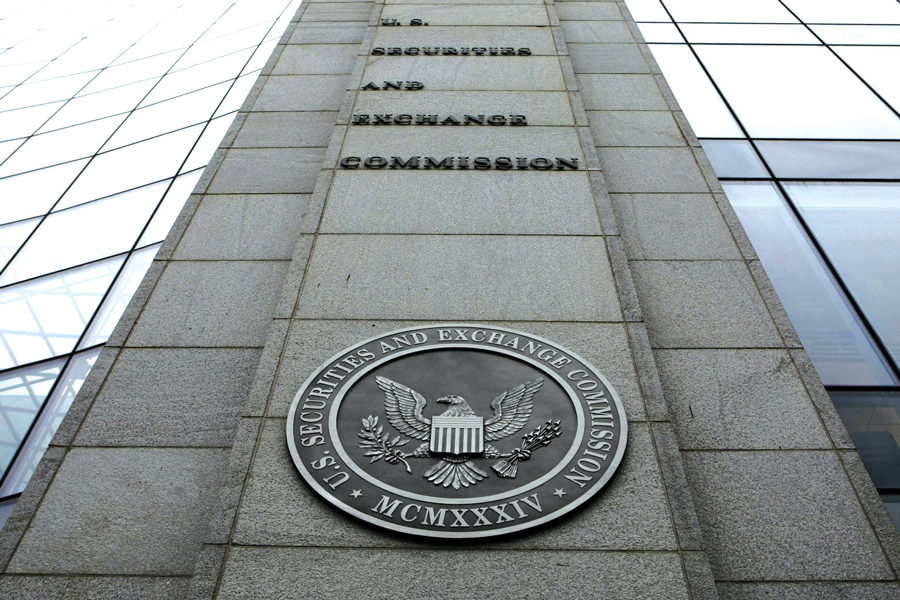
The U.S. Securities and Exchange Commission has proposed a sweeping restructure of the Consolidated Audit Trail, the regulatory database that tracks equity and options orders across American markets, moving to place the system under direct federal control and strip out more than $100 million in annual operating costs.
The Commission issued the proposal on November 20, 2026, calling for the rescission of Rule 613 of Regulation NMS - the rule that obligates national securities exchanges and self-regulatory organizations to establish, implement, and maintain the CAT.
In its place, the SEC proposes a new rule requiring SROs and broker-dealers to record and electronically report substantially the same information to the Commission or its designee directly.
The proposal would fund CAT operations through congressional appropriations rather than the existing industry-funded model, which has drawn sustained criticism for cost overruns and governance disputes.
The CAT has been a flashpoint in the financial industry since its inception. The SEC approved a set of cost-cutting measures for the system in September 2025, granting conditional exemptive relief to the self-regulatory organizations that operate the CAT and allowing them to scale back certain requirements.
At the time, Chairman Paul Atkins acknowledged that "the costs of operating the CAT have ballooned beyond belief."
Privacy concerns have added a separate dimension to the debate. A sensitive-data lapse at the SEC intensified calls to strip the CAT of retail investor identifiers, and earlier this year the Commission permanently eliminated the reporting of personally identifiable information to the system as part of a broader reform effort.
The American Securities Association, which has led industry opposition to the CAT's data collection practices, welcomed the proposal. ASA President and CEO Chris Iacovella said the system had long been "a honeypot of sensitive investor information" that exposed Americans to both warrantless government surveillance and state-sponsored cyber threats.
The SEC's proposed Rule 17a-26 under the Securities Exchange Act of 1934 would require that trade data be reported to the Commission or its designee, rather than to a CAT system independently administered by participants under a national market system plan. The Commission intends to use congressionally appropriated funds to pay for the system's use, operation, and maintenance going forward.
Chairman Atkins said the proposal was designed to put the CAT on "a sustainable footing: accountable in its governance and disciplined in its costs."
The restructuring follows a comprehensive review he directed as well as an April 2026 concept release that solicited public comment, in which both investors and market participants expressed support for the SEC exercising more direct management over the system.
A public comment period will remain open for 60 days after publication in the Federal Register.
For financial advisors and wealth managers, the restructuring carries meaningful compliance considerations.
The proposal signals that the underlying data reporting obligations for broker-dealers are expected to continue with minimal disruption - the SEC has been explicit that it intends to preserve the CAT's regulatory function while reforming its cost structure and governance.
What may change is accountability: by bringing the CAT within the SEC's direct budget and control, the proposal shifts oversight responsibility from a consortium of exchanges and SROs to a single federal regulator. Industry observers have long argued that the decentralized structure created misaligned incentives when it came to managing costs, and that placing the CAT inside the SEC's formal budget would force the kind of discipline the market has been demanding for years.
Advisors whose broker-dealer partners or custodians are significant contributors to CAT operating costs - through Section 31 fees and direct reporting infrastructure - may see downstream changes to how those costs are structured and passed through, depending on how the final rule is written.
The SEC has not issued a timeline for finalizing the rule beyond the standard comment period.

The new Portfolio Model Management capability lets advisors scale investment implementation while retaining client-level flexibility.

Demand for formal youth investing education is surging, but advisors may be the missing piece in filling the classroom gap.

Raymond James lures a $125M Merrill Lynch advisor in Charlotte while a Stifel pair breaks away to go independent in Southern Oregon

Pave Finance, DPL Financial Partners and Gottfried & Somberg also add senior leaders as RIAs and wealthtech firms deepen their benches

What the feud between “twin” index funds teaches thematic investors
Advisors are broadening the conversation beyond savings to help clients prepare for the realities of longer lives
Growing wealth, evolving priorities, and untapped opportunities are reshaping how women approach long-term investing.

