
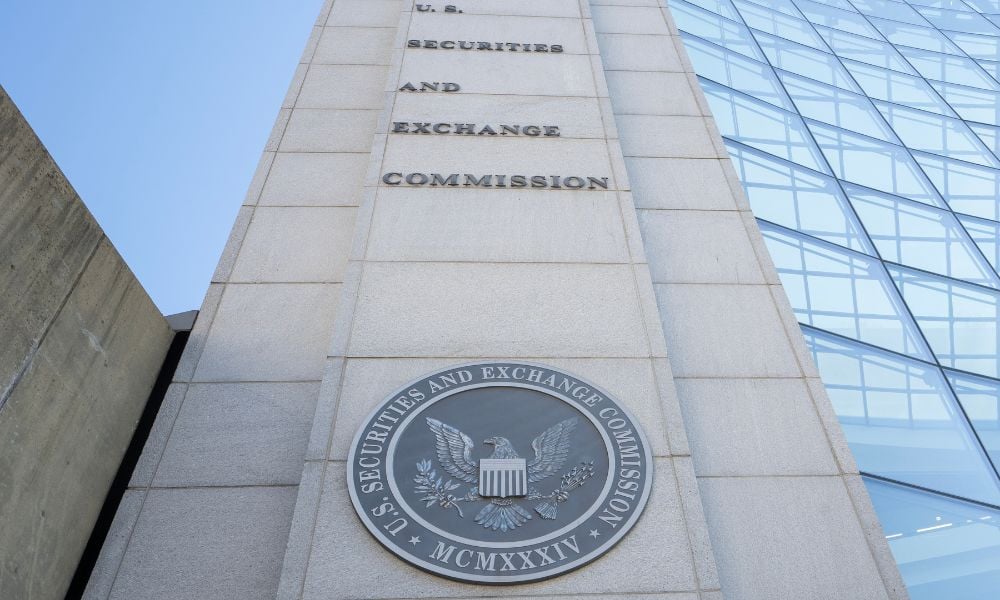
The SEC says a California real estate fund manager bankrolled monthly payouts to investors with fresh cash from new ones — to the tune of $15 million.
In a case filed April 20 in federal court in the Eastern District of California, regulators accuse Voyager Pacific Capital Management and three of its top people of running what they call a Ponzi-like scheme inside a private real estate fund (SEC v. Voyager Pacific Capital Management, LLC, No. 1:26-at-01842).
The Voyager Pacific Opportunity Fund II pulled in about $46.7 million from 272 equity investors and another $3.7 million from nine noteholders between September 2020 and March 2024, mostly to buy and rent out single-family homes. Investors were promised a 10% "Preferred Return" paid monthly from rental income and property sales.
The problem, according to the SEC: the fund wasn't actually earning it. Regulators say the fund only generated enough cash for about a 1% return. To keep the monthly checks flowing, CEO Roger David Hardcastle, former CFO John Giarmarco, and bookkeeper Vanessa Lung-Medlock — who also acted as COO — allegedly used roughly $15.5 million in new investor money to cover distributions to earlier investors. That's about 89% of the $17.5 million paid out during the period.
Meanwhile, Hardcastle and Giarmarco are accused of steering about $5.98 million from the fund to companies they personally owned. Roughly $2.9 million of that had no paperwork behind it at all. The other $3 million moved through 13 promissory notes featuring an unusual "Automatic Continuance" clause that, regulators say, let the affiliated borrowers push off repayment indefinitely. Terms for outside borrowers weren't nearly so generous.
When the numbers started looking thin, the complaint alleges, the trio got inventive. In September 2020, they switched the fund's accounting so that 85% of all rental home costs were capitalized rather than expensed — a move that made net income look bigger than it was. Later, Hardcastle and Medlock allegedly booked about $8.2 million in phony "cash sales" of fund properties to two affiliated entities, The Golden H, LLC and WHPH Investments, LLC, backed up by purchase agreements signed after the fact. No money changed hands, and the fund kept control of the homes.
Investors weren't told any of this, regulators say. Private placement memoranda, quarterly newsletters, YouTube pitches, and annual meetings allegedly painted a picture of steady returns, prudent management, and seasoned leadership. The SEC claims Giarmarco's bio — including a finance degree from Fresno State and oversight of a $750 million portfolio — was fabricated. Hardcastle, who only bought Voyager in July 2020, was pitched as a longtime fund operator.
The fund skipped its required audits for 2022, 2023, and 2024. Hardcastle has already pleaded guilty to two counts of conspiracy to commit wire fraud in a related criminal case.
For advisors vetting private real estate deals, the allegations read like a checklist of red flags: undisclosed related-party loans, accounting tweaks that flatter the books, missed audits, and payouts that don't match cash flow. The SEC wants injunctions, disgorgement with interest, and civil penalties, plus an order barring the three from participating in the issuance, purchase, offer, or sale of securities, except for their own personal accounts.
No decision has been made, and the defendants haven't yet responded in court.

The Protect College Sports Act would cap school payments and codify NIL rights, with implications for advisors guiding young athletes.

"I know the number that I want to be able to retire on, and now I just want out," says Wilmington Trust's Marguerite Weese, describing a common refrain among business-owner clients.

Bessemer and Brown Brothers Harriman veteran Robert Ludricks III and private markets specialist Olof Akesson join the ultra-high-net-worth push on the East Coast.

Senate Democrats seek data on data center deductions under the 2025 tax law as proposals to tax artificial intelligence multiply.

Geopolitical shocks and market volatility pushed advisor deal decisions off course, denting third-quarter transaction volume by 19 percent.
As AI makes financial information more accessible than ever, Lana Hock explains why human judgment, trust, and empathy remain the qualities clients value most in a financial advisor
Northern Trust’s Ken Lassner shows advisors how to convert volatility into after-tax portfolio gains

