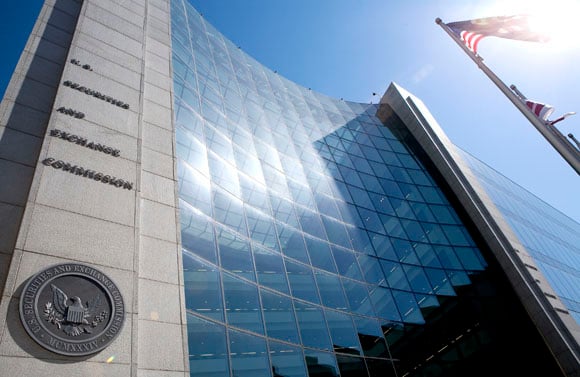
The Securities and Exchange Commission wants help in deciding how, and how often, it reviews and edits significant regulations as the agency prepares to meet a mid-November deadline for revamping its rule review process.
The SEC is asking for comments on what factors it should consider when looking at whether or not to review a regulation, and other suggestions for how to revise outdated rules. Rules are reviewed now in several ways at the commission, but not in a coordinated, agencywide approach, the commission said.
President Barack Obama ordered the SEC and other independent agencies in July to consider ways it can streamline or repeal ineffective or burdensome rules. Agencies are to develop a plan for modernizing rules within 120 days of the July 11 order.
“Because today's financial markets are dynamic and fast-moving, the regulations affecting the markets and its participants must be reviewed over time and revised as necessary so that the regulations continue to fulfill the SEC's mission,” the commission said in a statement.
The SEC spells out that it is not asking for comments about which rules it should reconsider. Additionally, the rule review process that it ultimately sets up will “reflect constraints imposed by limits on resources and competing priorities,” the SEC said in its solicitation. Public comments are due Oct. 6.
In its most recent rule review in March, the SEC began looking at how offering and reporting requirements affect issuers of capital.
Then the commission set up a regulatory review web page for ideas on how to promote economic growth more effectively and still protect investors and companies in the capital formation process. It has received about 20 comment letters so far.
Compliance attorney Todd Cipperman said he doubts that a new regulation review process will result in much of a reduction in the regulatory burden financial services firms are facing, even though it could bring rules that are more consistent and logical.
“This is a little political,” he said. “The SEC is under a lot of pressure from Congress to review its regulations.”
It's not very often that the SEC casts off its rules, he said. The only rule Mr. Cipperman could recall the SEC abolishing was in July 2007 when the commission threw out the “uptick rule” regarding short sales. That action was, in fact, reversed in Feb 2010 when the commission reinstated curbs on short sales out of fears of abusive trading.