
Two nominees for the Securities and Exchange Commission moved one step closer to Senate approval Wednesday.
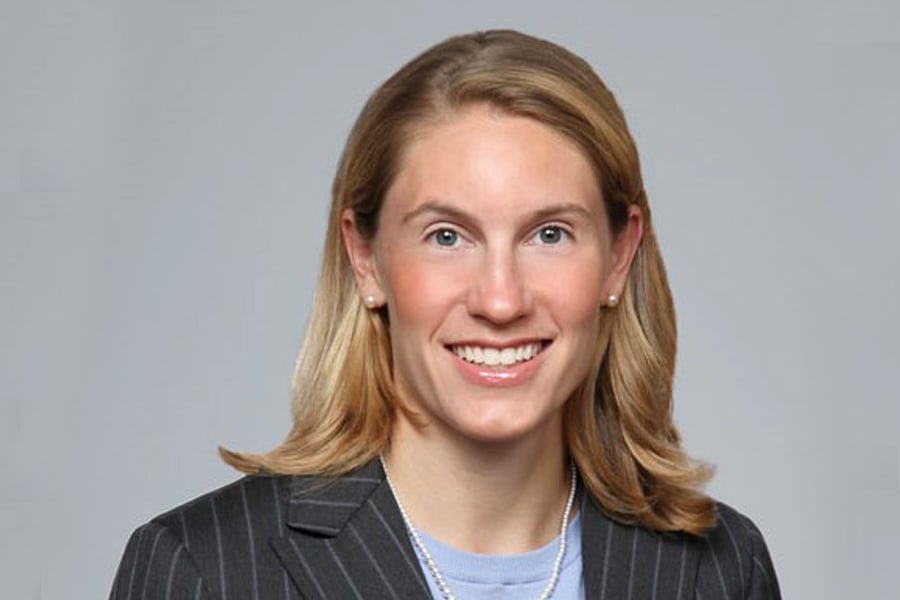
In a voice vote, the Senate Banking Committee approved Hester Peirce and Caroline Crenshaw. Lawmakers voted on them together. Peirce, who currently holds a Republican seat on the commission, has been nominated for a full term. Crenshaw has been nominated for an open Democratic seat.
The nominations now go to the Senate floor for a vote by the full chamber. After coming out of the committee on a voice vote, Peirce and Crenshaw have momentum for a potentially quick confirmation. But the Senate calendar is hard to predict.
If Peirce and Crenshaw are confirmed, it would put the SEC back at full strength with five members. In addition to Peirce, the current commission consists of Chairman Jay Clayton, a political independent, Elad Roisman, a Republican, and Allison Herren Lee, a Democrat.
Crenshaw was tapped by the Trump administration to fill the commission slot vacated in February by Robert Jackson Jr. Crenshaw served as counsel both to Jackson and another former Democratic commissioner, Kara Stein. Peirce has served on the commission since 2018.
In their confirmation hearing last month, Crenshaw said she would hold financial firms accountable for complying with Regulation Best Interest, the new broker investment advice standard. Peirce said one of the items at the top of her agenda is developing regulations for digital currencies.
The two received differing marching orders from the leaders of the Senate Banking Committee on Wednesday in statements before the vote.
Banking Committee Chairman Mike Crapo, R-Idaho, praised the SEC for balancing its ongoing response to the coronavirus pandemic with rulemaking, such as its recent approval of proxy voting regulations.
"I encourage the SEC to continue those and other efforts related to capital formation and corporate governance,” Crapo said.
The top-ranking committee Democrat, Sen. Sherrod Brown of Ohio, told Peirce and Crenshaw to keep at the forefront of their minds people saving for retirement or to buy a home or put their children through college.
"As commissioners, if they don’t put those families first, who will? Not Wall Street banks, we know that,” Brown said. “I will support the SEC nominees, but call on them to stay grounded in the struggles workers and families face and to put those families first.”

The banking giant's wealth arm extends its revenue streak as it pushes to exit consent orders weighing on growth since 2020.

New Allspring research finds 401(k) participants want guidance on income and rollovers, not just portfolio automation.

Aging homeowners hold record housing wealth - but most advisors still aren't bringing it into retirement plans

$1.7M invested from an inheritance. Then the phone went dead.

The pre-IPO platform sold $430M in units while allegedly rigging prices behind the scenes.
Knighthead Life entered the market with a competitive MYGA. A strong launch earned advisor confidence and paved the way for FIAs.
As AI makes financial information more accessible than ever, Lana Hock explains why human judgment, trust, and empathy remain the qualities clients value most in a financial advisor

