
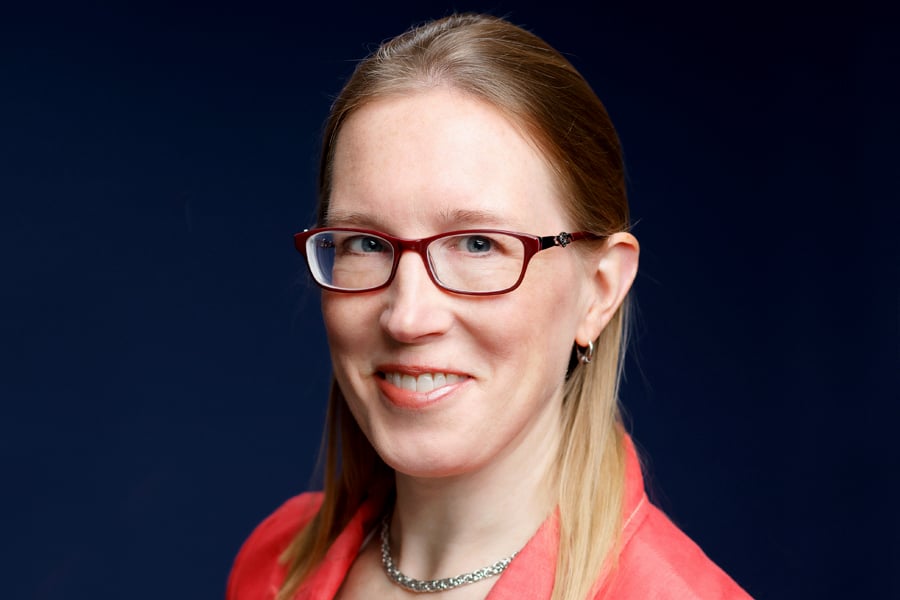
The Senate confirmed Hester Peirce and Caroline Crenshaw as members of the Securities and Exchange Commission Thursday night in a voice vote before adjourning for the weekend.
Peirce, who had been serving in a Republican seat since 2018, was reappointed to the SEC for a term ending in 2025. Crenshaw, who is filling a Democratic seat that was vacated by Robert Jackson Jr. earlier this year, will serve a term that expires in June 2024.
The two women proceeded smoothly through the confirmation process as a Republican-Democratic tandem.
With Peirce and Crenshaw now on board, the SEC is back at full strength with five members. In addition to Peirce, the current commission consists of Chairman Jay Clayton, a political independent, Elad Roisman, a Republican, and Allison Herren Lee, a Democrat.
Crenshaw has been on the SEC staff for seven years. She was a counsel to Jackson and another former Democratic commissioner, Kara Stein. She also has worked in the Office of Compliance Inspections and Examinations and in the Division of Investment Management.
In their confirmation hearing last month, Crenshaw said she would hold financial firms accountable for complying with Regulation Best Interest, the new broker investment advice standard. Peirce said one of the items at the top of her agenda is developing regulations for digital currencies.
It’s not clear how long the SEC will maintain its full membership.
The Trump administration intends to nominate Clayton to become the U.S. Attorney for the Southern District of New York. Controversy blew up around that appointment, and for now it’s stalled.
Clayton may end up staying at the SEC for months. But his desire to move on means he could leave his SEC post at the end of Trump’s first term.

New Allspring research finds 401(k) participants want guidance on income and rollovers, not just portfolio automation.

Aging homeowners hold record housing wealth - but most advisors still aren't bringing it into retirement plans

$1.7M invested from an inheritance. Then the phone went dead.

The pre-IPO platform sold $430M in units while allegedly rigging prices behind the scenes.

A Nationwide survey finds 47% of GLP-1 users have never discussed the drugs’ financial impact with an advisor, even as many dip into savings.
Knighthead Life entered the market with a competitive MYGA. A strong launch earned advisor confidence and paved the way for FIAs.
As AI makes financial information more accessible than ever, Lana Hock explains why human judgment, trust, and empathy remain the qualities clients value most in a financial advisor

