
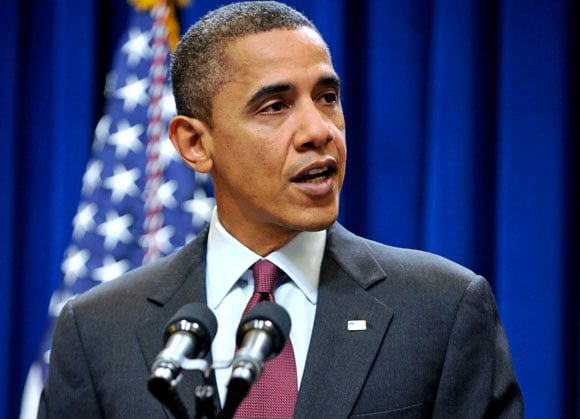
The stock market may have loved the resolution of the fiscal cliff drama, but advisers are not nearly as impressed, according to an InvestmentNews poll. The S&P 500 surged 2.5% on Wednesday, the first day of trading after Congress' last-minute deal to stop $600 billion in automatic tax hikes and spending increases. The rally marked the index's biggest one-day jump since December 2011. Advisers don't seem to think nearly as highly of the deal. More than three-quarters of the 1,463 advisers polled by InvestmentNews said they don't think the deal will lead to long-term changes to government spending, the national debt or tax reform. That's likely because Congress failed to include any spending cuts in the fiscal cliff deal. The automatic spending cuts that were scheduled to be triggered Jan. 1 were delayed by two months, setting up another congressional showdown that's sure to include raising the debt ceiling. “The deal didn't do anything to alleviate any of the budget concerns,” said Sean Clark, chief investment officer of Clark Capital Management Group Inc. “What they did was kick the can down the road again, unfortunately.” The poll made clear that most advisers place the blame for kicking spending cuts down the road squarely on President Barack Obama. Two-thirds of advisers rated his handling of the fiscal cliff situation as poor or very poor, according to the survey. The resolution also left 45% of respondents predicting that a recession is likely within the next 12 months. With at least the tax component of the fiscal cliff behind us, advisers have turned their attention to the tepid economic growth and unemployment. Three-quarters of advisers responding to the survey listed the slowly improving economy and naggingly high unemployment rate as the biggest head winds that markets face.

Broadridge, Wedbush and Alaris Acquisitions have also filled senior wealth management roles with hires from J.P. Morgan, Osaic and SageView.
Bill would make PE firms liable for portfolio company debts and close carried interest loophole as alternatives push into 401(k)s.

While technical expertise is necessary, sustainable trust is only possible for advisors who know how and when to lean on the emotional side of advice.

Betterment, F2 Strategy and WealthReach push AI deeper into advisory firm operations with three deals this week.

Retirement expectations widen from reality, according to Natixis Investment Managers' annual Global Retirement Index.
As AI makes financial information more accessible than ever, Lana Hock explains why human judgment, trust, and empathy remain the qualities clients value most in a financial advisor
Northern Trust’s Ken Lassner shows advisors how to convert volatility into after-tax portfolio gains
