
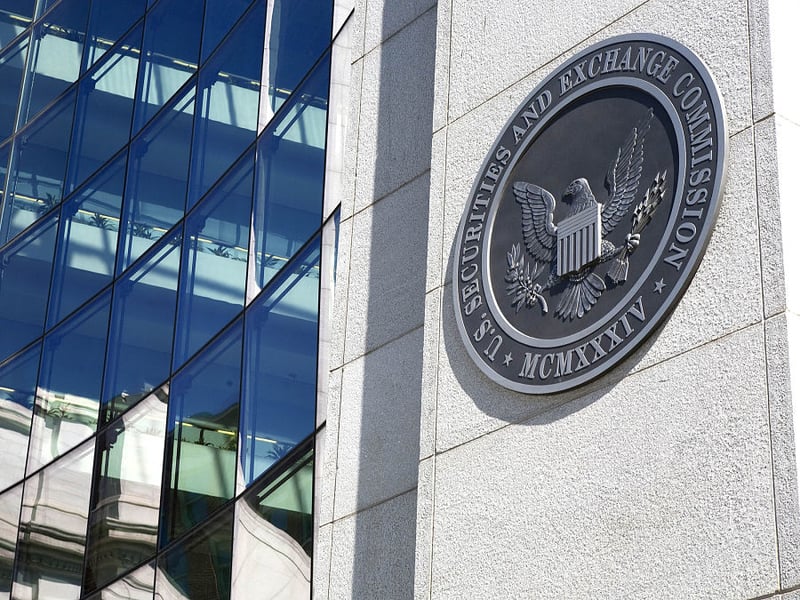
As senior reporter Mark Schoeff Jr. recently reported, Fidelity Investments, Charles Schwab Corp. and BlackRock Inc. are pressing the Securities and Exchange Commission to make electronic delivery the default option for firms sending regulatory documents to investors.
Last week, several key trade groups — the Securities Industry and Financial Markets Association, the SIFMA Asset Management Group, the Financial Services Institute, the Investment Advisers Association, the Committee of Annuity Insurers, the Insured Retirement Institute and the American Council of Life Insurers — endorsed the idea, calling a digital delivery standard “the next logical step for the SEC to take.”
If these arguments are persuasive and digital transmission becomes the de facto option, trillions of dollars of wealth would be affected by the change, including most of the money in IRAs and other qualified retirement plans.
There are many good reasons for paper to take a back seat in our increasingly digital age. Digital documents are received more quickly than their paper counterparts. They can be downloaded easily and saved for record-keeping purposes, and they can be printed whenever the recipient wishes, in whatever format desired. Advocates for the change make the correct observation that digital delivery aligns with growing investor use of the internet, smartphones and tablets to manage personal finances. Keeping pace with customer habits and preferences is not only good business, but a hallmark of sensible regulation.
There is also the environmental benefit of using far less paper. The financial sector, by the very nature of its work, already imposes far less of a burden on the environment than do manufacturing or extractive industries, for example. Eliminating the printing and mailing of financial documents will make that footprint even lighter.
But the SEC must be deliberate in its decision-making and consider carefully the interests and needs of all investors. It remains clear that there are important reasons for the SEC to safeguard the interests of investors who continue to prefer paper. While the digital versus paper argument often is framed as a younger versus older investor issue, there are many people of all ages who would rather have print material mailed to them instead of receiving the information online and printing it themselves.
If it decides to endorse digital-first delivery, the SEC should ensure that asset managers — as they have promised — will make paper versions readily available and easy to choose.
The commission also should put in place protections ensuring that asset managers provide easy access to digital documents so that disclosures and other important information are not buried on websites. The obvious risk this proposal presents would be firms taking advantage of digitization to bury documents, requiring investors to go through needlessly difficult efforts to find what they need.
Also, if more information will be circulating over the internet, the SEC must ensure that cybersecurity efforts are strengthened even further.
Finally, the SEC should ask what the cost savings of going digital will mean for the asset management industry. If those costs, which now are borne by investors as part of the management fees they pay, will be declining substantially, do firms plan to pass along any of those savings to investors in the form of lower fees?

The financial advice industry has been facing inquiries into its cash sweep programs for years now.

Investor money allegedly went to strip clubs, exotic cars, and landscaping

Procyon adds $415 million in assets under management in New Jersey while Savant picks up a $213 million Southern California planning firm

With a growing number of real estate-rich Baby Boomers aging into retirement, some advisors may be failing to consider all the options available for those clients' assets.

Cornerstone Advisors study reveals compliance bottlenecks stall campaigns weeks after customer opportunities close.
As AI makes financial information more accessible than ever, Lana Hock explains why human judgment, trust, and empathy remain the qualities clients value most in a financial advisor
Northern Trust’s Ken Lassner shows advisors how to convert volatility into after-tax portfolio gains

