
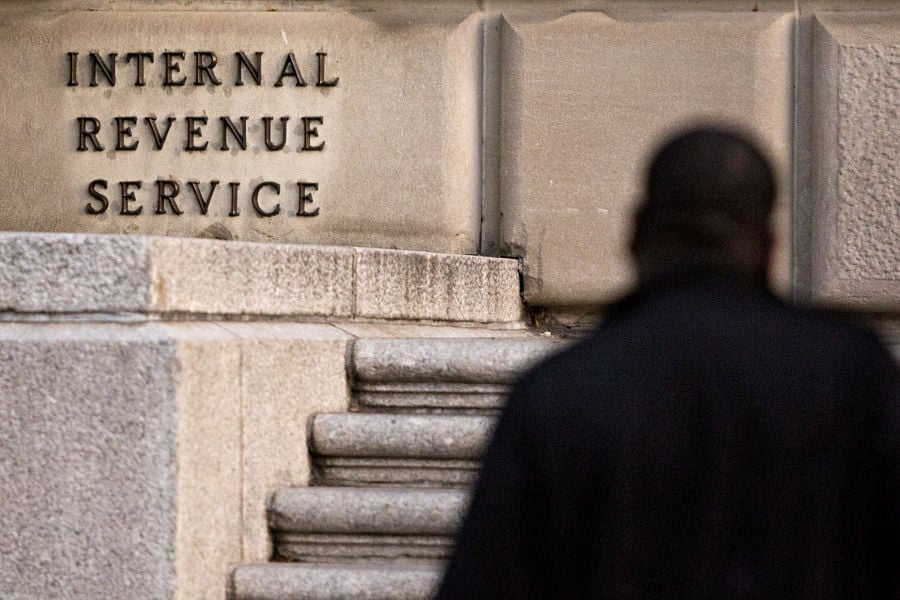
Treasury Secretary Steven Mnuchin announced his department is pushing back the April 15 deadline to pay taxes owed, giving individuals and many businesses 90 extra days to send checks to the government.
Individuals can defer up to $1 million of tax liability and corporations get an extension on up to $10 million, Mr. Mnuchin said at a news conference Tuesday.
“All you have to do is file your taxes,” he said. “You’ll automatically not get charged interest and penalties.”
The payment extension, which affects millions of taxpayers, is part of the Trump administration’s effort to curb the economic effects of the coronavirus. Mr. Mnuchin said the delay will free $300 billion of liquidity in the economy as individuals and businesses have more time to pay their taxes.
Delaying payment requirements will give businesses and individuals nearly three more months to meet their IRS obligations, potentially lessening cash-flow issues that some businesses are facing as many people stay home and spend less money on dining out, entertainment and transportation.
“This is a commonsense step to afford individual Americans and businesses access to financial resources they need during this time of economic and social disruption,” Senate Finance Committee Chairman Chuck Grassley said in a statement.
The administration is also considering delaying the estimated quarterly tax payments that self-employed workers and businesses pay the IRS throughout the year, according to two people familiar with the matter. The first payment is typically due April 15.
Wealthier individuals — ranging from the upper-middle class to the top 1% — could benefit the most from this move because they are more likely to owe the government money and be able to wait until the filing deadline to submit their returns, said John Koskinen, a former IRS commissioner.
Lower-income workers, especially those who qualify for refundable tax breaks such as the child tax credit and the earned income tax credit, tend to file early because they get a refund check.
“The number of blue-collar workers, working class people, I imagine, who are filing in the first two weeks of April is probably a very small percentage,” Koskinen said.
Many higher-income people, especially those who own a business or invest in multiple partnerships, apply for an automatic six-month extension to file because their returns are more complicated. In a typical year, they’d have to submit 90% of their tax liability on April 15 or face interest and penalties on the late payment.
The IRS routinely extends the filing deadline for victims of natural disasters. For example, the agency granted victims of recent tornadoes in Tennessee until July 15 to file. In 2018, the IRS delayed the due date by a day when the computer system crashed on the deadline and taxpayers were unable to submit their returns.
Nearly 68 million individuals had already filed their tax returns as of March 6, according to the most recent statistics from the IRS. That’s about 45% of the returns the agency expects to receive this year.
“For a lot of people it makes sense to stick to the original schedule,” said Meredith Tucker, a principal at accounting firm Kaufman Rossin. “Don’t just kick the can down the road if there is no benefit.”

The financial advice industry has been facing inquiries into its cash sweep programs for years now.

Investor money allegedly went to strip clubs, exotic cars, and landscaping

Procyon adds $415 million in assets under management in New Jersey while Savant picks up a $213 million Southern California planning firm

With a growing number of real estate-rich Baby Boomers aging into retirement, some advisors may be failing to consider all the options available for those clients' assets.

Cornerstone Advisors study reveals compliance bottlenecks stall campaigns weeks after customer opportunities close.
As AI makes financial information more accessible than ever, Lana Hock explains why human judgment, trust, and empathy remain the qualities clients value most in a financial advisor
Northern Trust’s Ken Lassner shows advisors how to convert volatility into after-tax portfolio gains

