The U.S. has been “overmedicated” by public policy and should consider the government's 1920's response to
recession, said James Grant, editor of Grant's Interest Rate Observer.
Responding to a severe economic downturn from 1920 to 1921, the
Federal Reserve increased interest rates and the national budget was balanced, moves that kept the painful
recession short, New York-based Grant said. In contrast, he said U.S. policy makers are prolonging the pain of the so-called Great Recession by intervening in markets and running unprecedented federal budget deficits.
“The Fed is not content to let interest rates find their levels, they must repress them, and they are not content to let housing prices find their levels, they seek to intervene to prop them up,” Grant said in a radio interview on “Bloomberg Surveillance” with Ken Prewitt and Tom Keene. “The results of all this intervention is not to cure what ails us, but prolongs the symptoms of what distresses us.”
In January, the Fed extended its pledge to keep the target rate for overnight loan between banks near zero, as more than two years of economic growth have failed to push unemployment below 8.3 percent.
“Economic conditions -- including low rates of resource utilization and a subdued outlook for inflation over the medium run -- are likely to warrant exceptionally low levels for the federal funds rate at least through late 2014,” the Federal Open Market Committee said in a statement on Jan. 25.
Bernanke's Tolerance
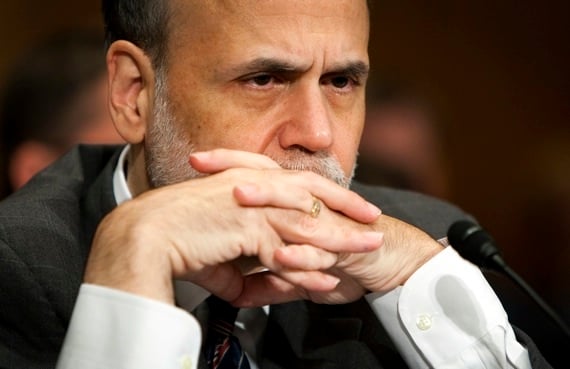
The decision bolstered speculation that Fed Chairman Ben S. Bernanke will tolerate faster gains in consumer prices. The Fed set an annual inflation target of 2 percent and policy makers suggested they may conduct a third round of bond purchases under a policy known as quantitative easing.
“What is discouraging about the Great Recession is that it seems not to end,” Grant said. “The historical comparison is useful to invite us all to consider the present day orthodoxy and if it is possible that it is wrong. I think that it might be wrong.”
The U.S. Treasury should begin to issue longer-dated bonds backed by gold and investors should also buy gold as it is “something substantial,” Grant said. The bond bull market of the past 30 years has made investors complacent to the risk of owning bonds, he said.
--Bloomberg--